
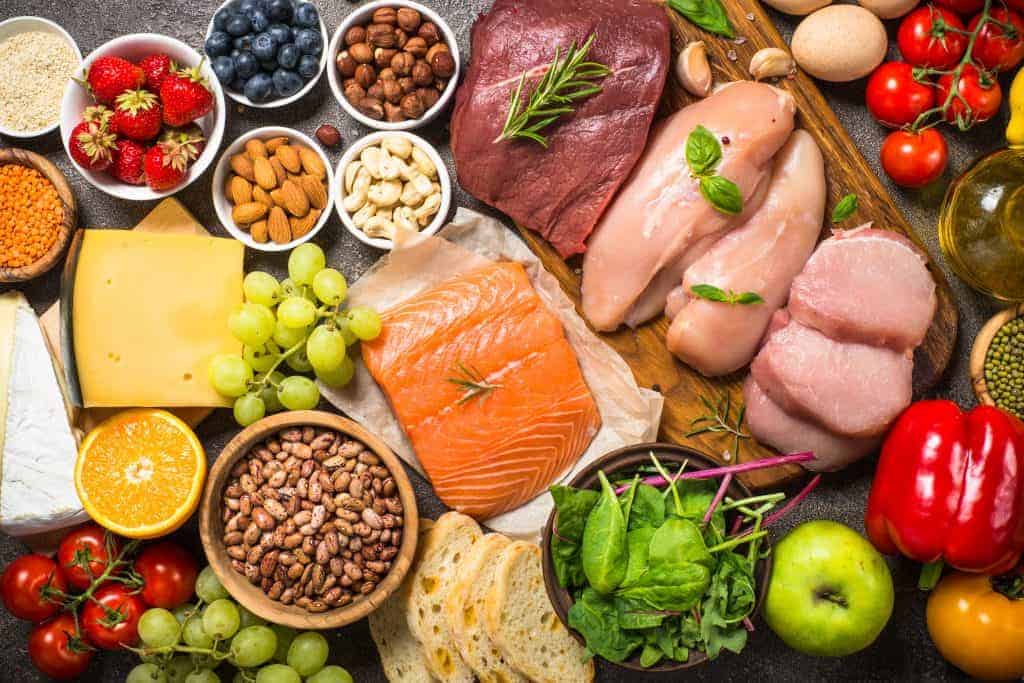
Protecting ready to eat food from contamination is one of the most critical responsibilities of food workers. Ready to eat food is any food that does not require further cooking or processing before being served or consumed. Because there is no final cooking step to kill harmful microorganisms, even minor contamination can lead to foodborne illnesses, serious health risks, and legal consequences for food establishments.
This in-depth guide explains what food workers should use to protect ready to eat food from contamination, why these measures matter, and how proper tools, practices, and personal hygiene work together to ensure food safety. The content is structured with clear, scannable headings and written in Strapi-compatible markdown format for easy publishing.
Understanding Ready to Eat Food and Why It Is High Risk
Ready to eat food includes items such as:
- Fresh fruits and vegetables
- Salads and sandwiches
- Cooked foods served without reheating
- Baked goods
- Deli meats and cheeses
Common sources of contamination include:
- Hands and bare skin contact
- Improper utensils or equipment
- Dirty surfaces
- Cross-contamination from raw foods
- Poor personal hygiene
The Importance of Protecting Ready to Eat Food
Food contamination can lead to outbreaks of illnesses caused by bacteria such as Salmonella, E. coli, Listeria, and Norovirus. These illnesses can cause severe symptoms and are especially dangerous for children, older adults, pregnant individuals, and people with weakened immune systems.
Protecting ready to eat food:
- Prevents foodborne illness
- Maintains public trust
- Ensures compliance with food safety regulations
- Reduces waste and financial loss
- Protects the reputation of food businesses
Proper Hand Hygiene as the First Line of Defense
Before discussing tools and equipment, it is essential to understand that clean hands are the foundation of food safety.
Food workers should:
- Wash hands with warm water and soap for at least 20 seconds
- Wash hands before handling ready to eat food
- Wash hands after using the restroom, touching raw food, cleaning, or touching their face or hair
Single-Use Gloves for Handling Ready to Eat Food
One of the most important items food workers should use to protect ready to eat food from contamination is single-use gloves.
Why Gloves Are Important
Gloves act as a barrier between hands and food, reducing the risk of transferring bacteria, viruses, or allergens.
Proper Glove Use
- Gloves must be worn when handling ready to eat food
- Hands must be washed before putting on gloves
- Gloves must be changed frequently
- Gloves must be changed after touching non-food surfaces
- Gloves must be discarded after each task
Common Glove Mistakes to Avoid
- Washing or reusing gloves
- Touching phones, money, or equipment with gloves
- Using gloves as a substitute for handwashing
Utensils as a Barrier Between Hands and Food
Utensils are another essential tool food workers should use to protect ready to eat food.
Common Utensils Used
- Tongs
- Spatulas
- Spoons
- Scoops
- Forks
Best Practices for Utensil Use
- Use clean and sanitized utensils
- Store utensils properly when not in use
- Replace utensils that fall on the floor
- Avoid touching food-contact surfaces of utensils
Deli Tissue and Wax Paper for Ready to Eat Food
Deli tissue, wax paper, and food-grade parchment paper are commonly used to handle ready to eat food safely.
Benefits of Deli Tissue
- Prevents direct hand contact
- Ideal for sandwiches, baked goods, and deli items
- Disposable and hygienic
Food-Grade Containers and Covers
Proper storage is critical for protecting ready to eat food from contamination.
Types of Food-Grade Containers
- Plastic containers with tight-fitting lids
- Stainless steel containers
- Covered trays and bins
Why Containers Matter
Containers protect food from:
- Airborne contaminants
- Dust and debris
- Pests
- Cross-contamination from other foods
Hair Restraints to Prevent Physical Contamination
Hair is a common source of physical contamination. Food workers should use hair restraints to prevent hair from falling into ready to eat food.
Types of Hair Restraints
- Hairnets
- Caps
- Hats
- Beard covers
Clean and Protective Clothing
Clothing can carry dirt, bacteria, and allergens. Food workers should wear clean, appropriate clothing when handling ready to eat food.
Clothing Guidelines
- Wear clean uniforms or aprons
- Change clothing if it becomes soiled
- Avoid wearing jewelry that may fall into food
- Keep personal items away from food prep areas
Proper Use of Food Shields and Barriers
Food shields, such as sneeze guards, are essential in self-service and buffet settings.
Purpose of Food Shields
- Protect food from coughs and sneezes
- Reduce exposure to airborne contaminants
- Prevent customer contact with food
Cleaning and Sanitizing Equipment
Even the best tools are ineffective if they are not properly cleaned and sanitized.
What Needs Regular Cleaning
- Cutting boards
- Knives
- Counters
- Utensils
- Storage containers
Sanitizing Best Practices
- Clean surfaces before sanitizing
- Use approved sanitizers
- Follow correct contact times
- Allow surfaces to air dry
Preventing Cross-Contamination
Cross-contamination occurs when harmful microorganisms transfer from one surface or food to another.
How Food Workers Can Prevent Cross-Contamination
- Use separate equipment for raw and ready to eat foods
- Store ready to eat food above raw food
- Clean and sanitize surfaces between tasks
- Use color-coded cutting boards and utensils
Temperature Control for Ready to Eat Food
Temperature control plays a vital role in food safety.
Safe Temperature Practices
- Keep cold foods at or below recommended cold holding temperatures
- Keep hot foods above recommended hot holding temperatures
- Monitor temperatures regularly
- Use calibrated food thermometers
Personal Hygiene Beyond Handwashing
Personal hygiene includes more than clean hands.
Hygiene Rules for Food Workers
- Do not work while sick
- Cover cuts with waterproof bandages and gloves
- Avoid touching face, hair, or mouth while working
- Avoid eating or drinking in food prep areas
Training and Food Safety Awareness
Even with the right tools, food safety depends on proper training.
Importance of Food Safety Training
- Teaches correct use of gloves and utensils
- Reinforces hygiene standards
- Reduces mistakes and violations
- Promotes accountability
Regulatory Requirements and Food Safety Standards
Food safety authorities clearly outline what food workers should use to protect ready to eat food from contamination.
Common requirements include:
- No bare hand contact with ready to eat food
- Mandatory glove or utensil use
- Proper handwashing facilities
- Approved food-grade equipment
Common Mistakes Food Workers Should Avoid
Despite good intentions, mistakes can happen.
Common Errors
- Wearing gloves but touching contaminated surfaces
- Not changing gloves often enough
- Using dirty utensils
- Improper food storage
- Ignoring hygiene rules during busy hours
Creating a Culture of Food Safety
Protecting ready to eat food is not just about tools—it’s about mindset.
A strong food safety culture includes:
- Clear procedures
- Proper supervision
- Open communication
- Consistent enforcement of rules
Final Thoughts on Protecting Ready to Eat Food from Contamination
Understanding what food workers should use to protect ready to eat food from contamination is essential for maintaining a safe and healthy food environment. Gloves, utensils, deli tissue, food-grade containers, hair restraints, and proper hygiene practices all work together to prevent contamination.
By combining the right tools with proper training, cleanliness, and awareness, food workers can significantly reduce the risk of foodborne illness. Protecting ready to eat food is not only a regulatory requirement but a commitment to public health, customer trust, and professional excellence.
When food workers consistently apply these practices, they help ensure that every meal served is safe, high quality, and worthy of consumer confidence.