
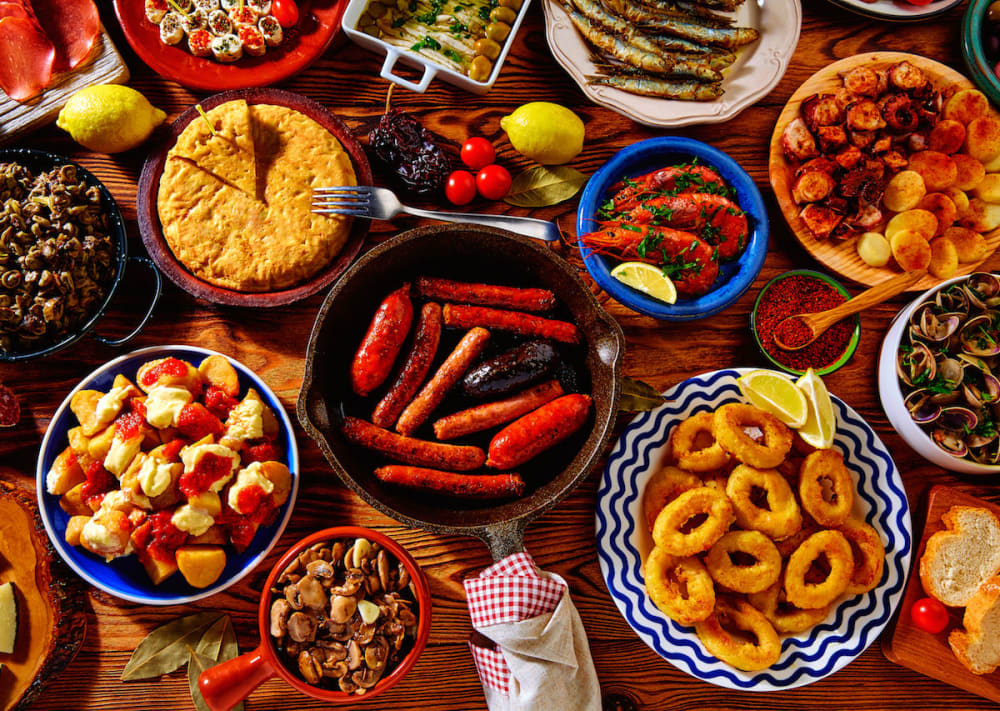
Tapas food represents one of the most celebrated and distinctive aspects of Spanish cuisine. Originating in Spain, tapas have transcended geographical boundaries to become a global phenomenon. They are more than just small plates; they embody a unique social and culinary tradition, combining flavors, culture, and the art of sharing food. In this article, we will explore everything you need to know about tapas: their origins, types, cultural significance, popular dishes, and tips for enjoying them authentically.
The Origins of Tapas
The word “tapas” comes from the Spanish verb tapar, meaning “to cover.” Historically, tapas were slices of bread or meat used to cover drinks to prevent flies from getting into them. This simple act evolved into a culinary tradition, with small portions of various foods served alongside drinks in taverns and bars.
The origins of tapas are rooted in several historical anecdotes:
- Medieval Spain: It is said that King Alfonso X of Castile prescribed that taverns serve small snacks with wine to prevent drunkenness. This practice laid the foundation for what would become tapas culture.
- Andalusian Tradition: In southern Spain, particularly in Andalusia, bartenders would cover sherry glasses with slices of ham or cheese. This practice not only protected the drink but also provided a tasty accompaniment.
- Regional Evolution: Over centuries, tapas evolved differently across Spanish regions. In the north, meat-based tapas like chorizo were common, while in coastal areas, seafood became more prominent.
Today, tapas are not just appetizers; they are a symbol of social dining, creativity, and culinary diversity.
The Cultural Significance of Tapas
Tapas are deeply embedded in Spanish culture, representing more than just food. They are a social phenomenon, reflecting Spain’s communal lifestyle and love for leisure. The concept of “tapeo,” or going out for tapas, is akin to a culinary journey, where friends and family gather to eat, drink, and converse over small plates.
Social Dining
Unlike formal meals, tapas encourage sharing and mingling. In a typical Spanish tapas bar, diners order multiple small dishes to share with the table, creating a dynamic and interactive dining experience. This approach fosters conversation, experimentation, and a sense of community.
Culinary Creativity
Tapas also serve as a platform for culinary innovation. Chefs often experiment with flavors, textures, and presentation in small portions, making tapas a playground for creativity. This has led to the development of modern tapas, combining traditional ingredients with contemporary cooking techniques.
Regional Identity
Each region in Spain has its own distinctive tapas style, reflecting local ingredients and culinary traditions. From the pintxos of the Basque Country to the seafood tapas of Galicia, tapas offer a taste of Spain’s diverse cultural and gastronomic landscape.
What Makes Tapas Unique
Several factors distinguish tapas from other types of appetizers or small plates:
- Size and Portion: Tapas are typically small, designed for sharing and sampling multiple dishes.
- Variety: A tapas meal often includes a range of flavors, from savory and spicy to sweet and tangy.
- Flexibility: Tapas can be eaten as a snack, a full meal, or as part of a multi-course dining experience.
- Accompaniment to Drinks: Traditionally, tapas are served alongside wine, beer, or sherry, enhancing the overall experience.
Unlike appetizers in other cuisines, tapas are not merely a precursor to a meal. They are a meal in themselves, emphasizing social interaction and culinary exploration.
Types of Tapas
Tapas can be broadly categorized into several types, depending on their preparation and ingredients.
1. Cold Tapas
Cold tapas, or tapas frías, are often simple, refreshing dishes served chilled. Examples include:
- Gazpacho: A cold tomato-based soup blended with peppers, cucumber, and olive oil, perfect for summer.
- Ensaladilla Rusa: A potato salad with mayonnaise, peas, and tuna.
- Boquerones: Marinated anchovies served with olive oil and vinegar.
- Jamón Ibérico: Thin slices of cured Iberian ham, often paired with bread or olives.
Cold tapas highlight the freshness of ingredients and the balance of flavors, making them an essential part of the tapas experience.
2. Hot Tapas
Hot tapas, or tapas calientes, are cooked or grilled dishes, often bursting with flavors. Popular examples include:
- Patatas Bravas: Fried potatoes topped with a spicy tomato sauce or aioli.
- Albóndigas: Spanish-style meatballs in rich tomato sauce.
- Calamares a la Romana: Fried squid rings served with lemon.
- Chorizo al Vino: Sausages cooked in red wine, combining spice and savory flavors.
Hot tapas provide a comforting and hearty component to a tapas meal, contrasting beautifully with lighter cold dishes.
3. Seafood Tapas
Spain’s extensive coastline makes seafood a staple in tapas cuisine. Seafood tapas include:
- Gambas al Ajillo: Garlic sautéed shrimp in olive oil.
- Pulpo a la Gallega: Octopus seasoned with paprika and olive oil.
- Mejillones: Mussels prepared in wine or tomato sauce.
- Bacalao: Salted cod, often fried or baked with peppers.
These dishes celebrate the abundance of fresh seafood in Spain and the bold use of herbs and spices.
4. Vegetarian Tapas
Vegetarian tapas showcase Spain’s rich agricultural heritage. Common examples include:
- Pimientos de Padrón: Small green peppers, some mild, some spicy, fried in olive oil.
- Tortilla Española: A Spanish omelet with potatoes and onions.
- Espinacas con Garbanzos: Spinach with chickpeas, a dish typical of Andalusia.
- Setas al Ajillo: Garlic sautéed mushrooms.
Vegetarian tapas highlight the simplicity and elegance of plant-based Spanish cuisine.
5. Modern or Fusion Tapas
Contemporary chefs often create fusion tapas, blending traditional Spanish ingredients with global flavors. Examples include:
- Mini burgers with chorizo and manchego cheese
- Sushi-inspired tapas with Spanish flavors
- Tapas using exotic spices or molecular gastronomy techniques
These innovative dishes keep the tapas tradition alive while appealing to adventurous palates.
Ingredients Commonly Used in Tapas
Tapas rely on high-quality, fresh ingredients to create bold and memorable flavors. Common ingredients include:
- Olive oil: The cornerstone of Spanish cooking, used in frying, drizzling, and dressing.
- Seafood: Shrimp, squid, octopus, anchovies, and clams are frequent stars.
- Cured meats: Jamón ibérico, chorizo, and lomo provide smoky, savory flavors.
- Cheese: Manchego, Cabrales, and other regional cheeses often accompany tapas.
- Vegetables: Peppers, potatoes, tomatoes, and mushrooms are essential components.
- Spices and herbs: Paprika, garlic, parsley, saffron, and rosemary enhance flavors.
The combination of these ingredients reflects the diversity of Spanish cuisine and regional specialties.
How Tapas Are Served
Tapas are not just about the food—they are about the experience. Here’s how tapas are traditionally served:
In Bars
In Spain, tapas bars are ubiquitous. Customers often stand at the bar or sit at small tables, ordering a variety of dishes to share. Tapas are typically paired with drinks like:
- Wine: Especially Spanish reds and sherries.
- Beer: Local craft or standard lagers.
- Vermouth: Popular in some regions, often served over ice.
In Restaurants
Restaurants offer a more formal tapas experience, often with a curated menu of multiple dishes. Here, tapas can function as a starter, part of a tasting menu, or even a full meal.
As a Social Event
The tradition of “ir de tapas” involves moving from one bar to another, sampling small dishes at each stop. This practice emphasizes socializing, variety, and discovery, making tapas an adventure rather than a routine meal.
Health Aspects of Tapas
Tapas can be surprisingly healthy when prepared traditionally, emphasizing fresh ingredients and olive oil. Key health benefits include:
- Portion Control: Small servings encourage moderation.
- Variety of Nutrients: A tapas meal often combines proteins, vegetables, and healthy fats.
- Mediterranean Diet Influence: Many tapas dishes are part of the Mediterranean diet, associated with cardiovascular health.
However, some modern tapas may be deep-fried or high in sodium, so mindful selection is important for those watching their diet.
Popular Tapas Dishes You Must Try
To truly understand tapas, trying signature dishes is essential. Here are some must-try examples:
- Patatas Bravas: Crispy potatoes with spicy tomato sauce.
- Gambas al Ajillo: Succulent shrimp with garlic and chili.
- Tortilla Española: Classic potato and onion omelet.
- Jamón Ibérico: Rich, cured Iberian ham.
- Pulpo a la Gallega: Tender octopus with paprika and olive oil.
- Pimientos de Padrón: Surprise peppers with varying heat.
- Chorizo al Vino: Savory sausage in red wine.
These dishes represent the diversity and vibrancy of tapas cuisine.
Global Influence of Tapas
Tapas have grown beyond Spain, influencing international culinary trends. Restaurants worldwide now serve tapas-style dishes, often incorporating local ingredients. This global adoption has popularized the idea of small plates, sharing meals, and social dining.
In cities like New York, London, and Tokyo, tapas-inspired restaurants blend traditional Spanish flavors with local tastes, expanding the tapas concept into a universal culinary language.
Tips for Enjoying Tapas Authentically
To experience tapas like a local, consider the following tips:
- Go with Others: Tapas are meant to be shared.
- Try Variety: Order multiple dishes to enjoy different flavors and textures.
- Pair with Drinks: Wine or beer enhances the experience.
- Eat Slowly: Tapas is about savoring food and conversation.
- Explore Local Specialties: Each region has unique dishes worth trying.
By following these tips, you can fully immerse yourself in the culture and joy of tapas dining.
Conclusion
Tapas food is a culinary tradition that blends history, culture, creativity, and social interaction. From their humble origins as drink covers to becoming a global gastronomic phenomenon, tapas reflect the essence of Spanish cuisine: communal, diverse, and flavorful. Whether you enjoy cold seafood, hot meat dishes, or innovative fusion creations, tapas offer a unique and interactive dining experience. Embracing tapas is not just about tasting food—it’s about connecting with people, exploring flavors, and celebrating the joy of eating together.
By understanding the origins, types, and cultural significance of tapas, anyone can appreciate why these small plates have such a big impact on the world of food. So, gather friends, visit a tapas bar, and let the adventure of Spanish small plates begin.