
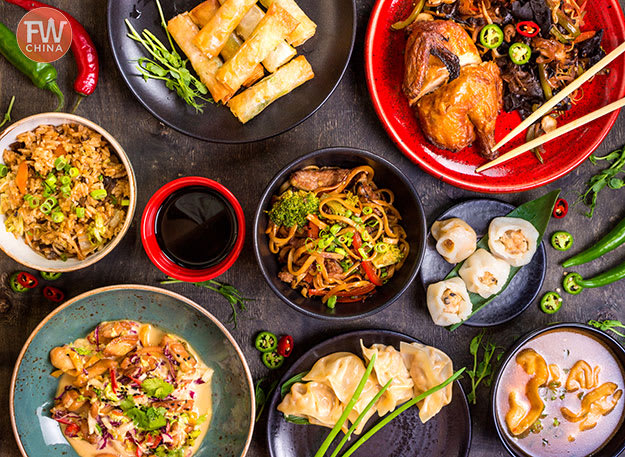
Chinese food is one of the most popular cuisines around the world, celebrated for its vibrant flavors, diverse ingredients, and comforting nature. From sweet and sour chicken to savory fried rice, Chinese dishes are a staple in many households and restaurants. However, one important question that often arises is: how long is Chinese food good for? Proper storage and understanding food safety guidelines are crucial to avoid foodborne illnesses while ensuring your meals remain flavorful and fresh. This article explores everything you need to know about the shelf life, storage methods, and best practices for handling Chinese food.
Understanding the Composition of Chinese Food
Before discussing the longevity of Chinese food, it’s important to understand what makes up these dishes. Chinese cuisine is incredibly diverse, but there are some common components:
- Proteins: Chicken, beef, pork, shrimp, tofu, and eggs are often key ingredients.
- Vegetables: Broccoli, bok choy, bell peppers, mushrooms, snow peas, and carrots provide color, texture, and nutrients.
- Carbohydrates: Rice, noodles, and dumplings form the staple carbohydrate sources.
- Sauces and Seasonings: Soy sauce, oyster sauce, hoisin sauce, ginger, garlic, and sesame oil add depth to the flavor profiles.
- Cooking Methods: Stir-frying, steaming, deep-frying, braising, and boiling are commonly used, which can affect how long the food remains safe to eat.
Each of these elements interacts differently with time and temperature, affecting how long the food stays fresh. Proteins, for example, spoil faster than carbohydrates, while sauces with high sodium or sugar content can slightly extend shelf life.
Factors That Affect How Long Chinese Food Stays Good
Several factors determine the longevity of Chinese food once it’s prepared. Understanding these factors can help you safely enjoy leftovers.
1. Temperature
Temperature is the most crucial factor. The “danger zone” for bacterial growth is between 40°F (4°C) and 140°F (60°C). Food left in this range for more than two hours becomes unsafe to eat. If the ambient temperature is higher, such as during a hot day, this window decreases significantly.
2. Moisture Content
High-moisture foods, such as stir-fried vegetables or soups, spoil faster than drier foods like fried spring rolls. Moisture provides an ideal environment for bacterial growth, so foods with more liquid require quicker refrigeration.
3. Cooking Method
Deep-fried foods can maintain texture longer than stir-fried dishes, but once exposed to air and moisture, even fried foods can become soggy and susceptible to spoilage. Steamed dishes tend to retain more moisture and must be stored carefully to avoid bacterial contamination.
4. Ingredients
Seafood and meat dishes spoil faster than vegetarian options due to their high protein content. Similarly, dishes containing eggs, dairy, or tofu are more perishable than plain vegetables or rice.
5. Storage Containers
The type of container used can also impact freshness. Airtight containers minimize exposure to air and bacteria, while loosely covered dishes spoil more quickly. Glass or BPA-free plastic containers are recommended for long-term storage.
Recommended Storage Guidelines
Proper storage is key to extending the shelf life of Chinese food. Here are best practices for different storage methods:
Refrigeration
Timeframe: Most Chinese food can be safely stored in the refrigerator for 3–4 days.
Temperature: Ensure your fridge is at or below 40°F (4°C).
Containers: Use airtight containers to prevent contamination and absorption of odors from other foods.
Tips:
- Allow hot food to cool to room temperature (but no longer than two hours) before refrigerating.
- Store rice and noodles separately from sauces to prevent sogginess.
- Label containers with the date of storage to track freshness.
Freezing
Freezing is an excellent option if you want to preserve Chinese food for longer periods.
Timeframe: Most cooked Chinese dishes can be frozen for 2–3 months without significant loss of quality.
Freezing Tips:
- Portion food into meal-sized containers to make thawing and reheating easier.
- Avoid freezing dishes with high water content (like soups or stir-fried vegetables) in the same way you would solid foods, as ice crystals can affect texture.
- For fried items, consider reheating in an oven or air fryer instead of a microwave to maintain crispiness.
Room Temperature
Room temperature storage is risky for Chinese food due to bacterial growth. As a general rule:
- Do not leave Chinese food out for more than 2 hours.
- In hot climates (above 90°F / 32°C), reduce this to 1 hour.
- Certain dry items, like fortune cookies or crackers, can last much longer but are not the same as prepared meals.
Specific Shelf Life by Food Type
Different types of Chinese dishes have varying shelf lives due to ingredients and moisture content.
1. Fried Rice
- Refrigerator: 3–4 days
- Freezer: 1–2 months
- Notes: Rice should be cooled quickly after cooking to prevent Bacillus cereus, a bacteria that can survive cooking and multiply at room temperature.
2. Noodles
- Refrigerator: 3–4 days
- Freezer: 2–3 months
- Tips: Keep sauces separate if possible, as noodles can become mushy when stored in sauce.
3. Meat Dishes
- Refrigerator: 3–4 days
- Freezer: 2–3 months
- Notes: Chicken, pork, and beef stir-fries can be safely stored in the fridge but should be reheated thoroughly before consumption.
4. Seafood Dishes
- Refrigerator: 1–2 days
- Freezer: 2 months
- Notes: Seafood spoils faster than meat; always check for off odors or slimy textures before eating.
5. Soups and Stews
- Refrigerator: 3–4 days
- Freezer: 2–3 months
- Tips: Cool soups rapidly before storing to avoid bacterial growth. Use shallow containers to speed up cooling.
6. Dumplings
- Refrigerator: 2–3 days
- Freezer: 1–2 months
- Notes: Store uncooked dumplings in the freezer; cooked dumplings can be refrigerated briefly but tend to lose texture quickly.
7. Spring Rolls and Egg Rolls
- Refrigerator: 2–3 days
- Freezer: 1–2 months
- Tips: Frying again before eating restores crispiness.
Signs That Chinese Food Has Gone Bad
Even if food is within the suggested storage timeframe, you should check for signs of spoilage before eating. Common indicators include:
- Off Smell: Sour, rancid, or unusually strong odors indicate bacterial growth.
- Mold: Any visible mold means the food must be discarded immediately.
- Texture Changes: Slimy meat or mushy vegetables suggest spoilage.
- Color Changes: Discoloration in meat or sauces can be a warning sign.
- Taste Test: Only taste a small portion if all other indicators are normal, but avoid tasting if you suspect spoilage.
Safe Reheating Practices
Proper reheating is essential to kill bacteria and make leftovers safe to eat.
- Microwave: Reheat until steaming hot throughout (165°F / 74°C internally).
- Stovetop: Simmer in a pan with a little water or sauce to heat evenly.
- Oven or Air Fryer: Ideal for fried items to restore crispiness.
- Avoid multiple reheating cycles, as this increases the risk of bacterial growth.
Tips to Extend Freshness
To make Chinese food last longer, consider the following tips:
- Cook in Small Batches: Avoid making large portions that will sit for days.
- Store Quickly: Refrigerate food within two hours of cooking.
- Separate Components: Keep sauces, rice, noodles, and proteins in different containers.
- Use Airtight Containers: Minimizes exposure to bacteria and prevents odor absorption.
- Freeze Excess Portions: Freezing immediately after cooking can preserve nutrients and flavor.
Common Myths About Chinese Food Storage
There are some misconceptions about storing Chinese food:
- Myth 1: “Chinese food with MSG lasts longer.” MSG does not preserve food; it only enhances flavor.
- Myth 2: “Refrigerated rice can be eaten indefinitely.” Cooked rice can harbor Bacillus cereus if left too long, even in the fridge.
- Myth 3: “Freezing destroys nutrients.” While freezing may slightly affect texture, nutrients are largely preserved.
Conclusion
Knowing how long Chinese food is good for is essential for both safety and enjoyment. Most cooked Chinese dishes can last 3–4 days in the refrigerator and 2–3 months in the freezer, depending on ingredients and storage methods. Seafood, fried items, and soups may have slightly shorter or longer shelf lives. Following proper cooling, storing, and reheating practices ensures that your meals remain delicious while minimizing the risk of foodborne illnesses. By understanding these guidelines, you can confidently enjoy your favorite Chinese dishes, whether fresh or as leftovers.