
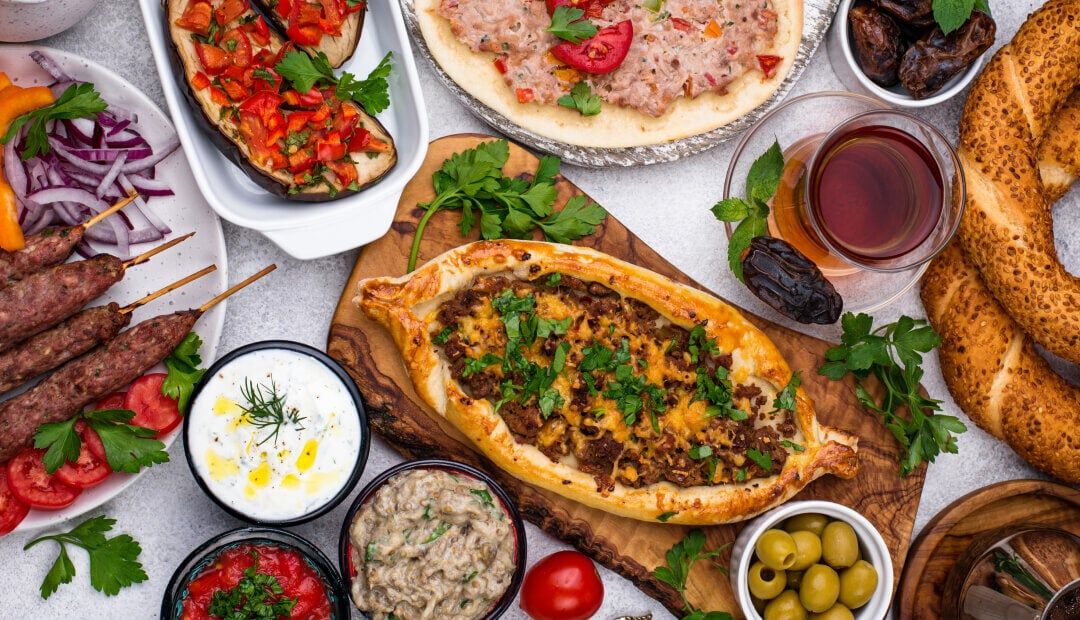
Halal food is a concept rooted deeply in Islamic teachings and has gained global recognition due to its ethical, hygienic, and religious significance. While many people associate halal food only with meat, the term actually applies to all foods, beverages, and consumable products that meet Islamic dietary laws. Today, halal food is enjoyed not only by Muslims but also by people of other faiths who value its strict standards of cleanliness, quality, and ethics.
This in-depth guide explains what halal food is, its religious basis, the rules governing halal consumption, the difference between halal and haram, halal meat preparation, certification, and common misconceptions.
Meaning of Halal in Islam
The word “halal” comes from Arabic and means permissible or lawful. In Islam, halal refers to anything that is allowed according to Islamic law, known as Shariah. The opposite of halal is haram, which means forbidden.
When it comes to food, halal signifies that the food:
- Is allowed according to Islamic teachings
- Contains only permissible ingredients
- Is prepared, processed, and stored according to Islamic guidelines
Religious Foundation of Halal Food
Halal dietary laws are derived from two primary Islamic sources:
- The Quran – The holy book of Islam
- The Hadith – Sayings and practices of the Prophet Muhammad (peace be upon him)
What Foods Are Considered Halal?
Halal food includes a wide range of items, provided they meet Islamic requirements.
Halal Plant-Based Foods
Most plant-based foods are naturally halal, including:
- Fruits and vegetables
- Grains and cereals
- Nuts and seeds
- Legumes and beans
- Herbs and spices
Halal Animal Products
Animal products are halal if they meet specific conditions:
- The animal must be halal (lawful)
- It must be slaughtered according to Islamic guidelines
- It must not be harmful to health
Halal Beverages
Halal beverages include:
- Water
- Milk
- Fruit juices
- Non-alcoholic drinks
What Foods Are Haram (Forbidden)?
Islam strictly prohibits certain foods and substances.
Haram Animals
The following animals are not halal:
- Pork and all pork products
- Carnivorous animals (lions, tigers, etc.)
- Birds of prey (eagles, hawks)
- Animals that die naturally without slaughter
Haram Substances
Forbidden substances include:
- Alcohol and intoxicants
- Blood
- Any food containing pork-derived ingredients
- Foods contaminated with haram substances
Halal Meat and Islamic Slaughtering Process
One of the most discussed aspects of halal food is halal meat.
Requirements for Halal Slaughter
For meat to be halal, several conditions must be met:
- The animal must be healthy at the time of slaughter
- The slaughterer must be a Muslim (or a person of the Book, according to some interpretations)
- The name of Allah must be invoked before slaughter
- A sharp instrument must be used
- The throat, windpipe, and blood vessels must be cut
Why Blood Must Be Drained
Islam forbids the consumption of blood because it can carry toxins and bacteria. Draining blood during slaughter is considered both a religious and hygienic requirement.
Halal Food Preparation and Handling
Halal food is not only about ingredients but also about how food is prepared.
Avoiding Cross-Contamination
Halal food must not come into contact with:
- Pork or pork products
- Alcohol
- Non-halal meat
Cleanliness and Hygiene
Islam places great emphasis on cleanliness. Halal food preparation involves:
- Clean cooking surfaces
- Proper hand hygiene
- Safe storage conditions
What Is Halal Certification?
Halal certification ensures that a product meets Islamic dietary requirements.
Purpose of Halal Certification
Halal certification helps consumers:
- Identify halal-compliant products
- Trust food sourcing and processing
- Avoid hidden haram ingredients
How Halal Certification Works
The certification process typically includes:
- Ingredient inspection
- Factory audits
- Slaughter verification (for meat)
- Ongoing compliance monitoring
Halal Food Beyond Meat
Many people think halal food only refers to meat, but this is a misconception.
Halal Processed Foods
Processed foods can be halal if they do not contain:
- Alcohol-based flavorings
- Gelatin from non-halal sources
- Animal enzymes from haram animals
Halal Cosmetics and Supplements
Halal principles also apply to:
- Vitamins and supplements
- Cosmetics and skincare products
Health and Ethical Aspects of Halal Food
Halal food is not only religiously significant but also associated with ethical values.
Ethical Treatment of Animals
Halal slaughter emphasizes:
- Humane treatment of animals
- Minimal suffering
- Respect for life
Food Safety and Quality
Halal food standards promote:
- Clean processing environments
- Transparency in sourcing
- High hygiene levels
Halal Food in the Modern World
Halal food has become a global industry.
Global Halal Market
The halal food market serves millions of consumers worldwide and includes:
- Restaurants and fast-food chains
- Supermarkets and grocery brands
- International food exporters
Halal Food for Non-Muslims
Many non-Muslims choose halal food because:
- It meets strict hygiene standards
- It avoids harmful substances
- It aligns with ethical food practices
Common Misconceptions About Halal Food
Several myths surround halal food.
Halal Food Is Only for Muslims
Halal food is permissible for Muslims but can be consumed by anyone.
Halal Slaughter Is Cruel
When performed correctly, halal slaughter is designed to minimize pain and is comparable to or more humane than other methods.
All Middle Eastern Food Is Halal
Not all foods from Muslim-majority regions are halal; ingredients and preparation still matter.
How to Identify Halal Food
Consumers can identify halal food by:
- Checking halal certification logos
- Reading ingredient labels
- Asking restaurants about food preparation
- Buying from trusted halal suppliers
Why Halal Food Matters
For Muslims, consuming halal food is a religious obligation and a form of worship. It reflects obedience to Allah, mindfulness of consumption, and ethical living.
For others, halal food represents quality, cleanliness, and transparency.
Final Thoughts: What Is Halal Food?
Halal food is much more than a dietary label—it is a comprehensive system rooted in Islamic principles that promotes lawful consumption, ethical practices, and cleanliness. From ingredients and slaughter methods to preparation and certification, halal food follows strict guidelines designed to benefit both spiritual and physical well-being.
As halal food continues to gain global acceptance, understanding its meaning helps bridge cultural gaps and encourages informed food choices. Whether for religious reasons or personal preference, halal food represents a thoughtful and principled approach to what we eat.