
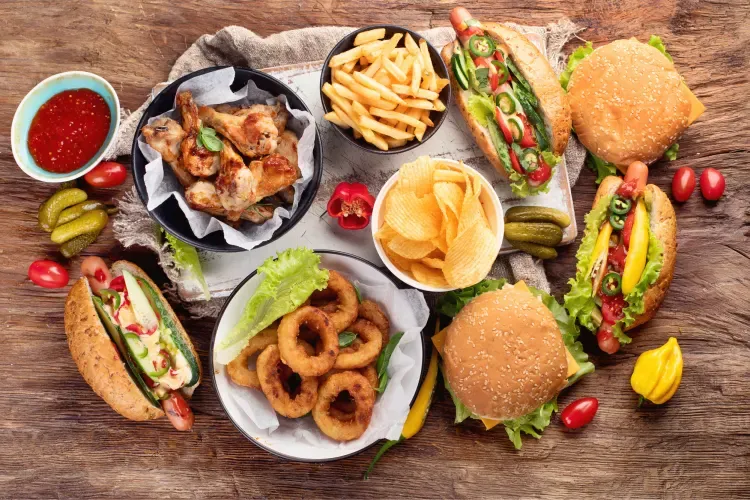
American food is one of the most diverse, complex, and continually evolving culinary traditions in the world. While many people may immediately think of hamburgers, hot dogs, or apple pie, American cuisine is far richer than a handful of iconic dishes. It is a dynamic blend of Indigenous food traditions, immigrant influences, regional innovations, and creative adaptations shaped over centuries.
To understand what American food really is, we need to explore its cultural roots, its regional variations, its global influences, and the ways it continues to grow and transform today. This comprehensive guide walks you through all of these components—offering a clear and rich understanding of the flavors that define American cuisine.
Understanding the Foundations of American Cuisine
When asking “What is American food?”, the answer is not simple. The United States is a vast country built upon cultures from all over the world, and each one has contributed something unique to the American table.
Indigenous Food Traditions: The Original American Cuisine
Long before European settlers arrived, Native American tribes had sophisticated food systems based on agriculture, hunting, and foraging. These traditions laid the foundation for many foods Americans still eat today.
Important Indigenous culinary contributions include:
- Corn (maize)
- Beans
- Squash (collectively known as the “Three Sisters”)
- Wild rice
- Turkey
- Bison
- Maple syrup
- Cranberries
- Chili peppers
European Influences on American Food
European settlers brought their own culinary traditions, which blended with Indigenous foods and techniques. They introduced:
- Wheat
- Dairy
- Farm animals (cows, pigs, chickens)
- Bread baking traditions
- Herbs like rosemary, thyme, and parsley
- New England clam chowder has English roots.
- Creole and Cajun cuisine in Louisiana reflect French and Spanish influences.
- Pennsylvania Dutch cooking incorporates German heritage dishes.
African Influence: A Profound and Essential Foundation
African culinary traditions, brought largely through enslaved people, profoundly shaped American food culture. Africans introduced techniques and ingredients such as:
- Deep frying
- Okra
- Black-eyed peas
- Yams
- Rice cultivation knowledge used in Southern plantations
Immigrant Contributions: The Ongoing Evolution of American Food
From the 19th century onward, waves of immigration reshaped the American food landscape. Immigrant communities introduced new ingredients, cooking methods, and signature dishes that eventually became mainstream favorites.
Examples include:
- Pizza, pasta, and meatballs (Italian)
- Bagels and deli culture (Jewish)
- Tacos, burritos, and salsa (Mexican)
- Egg rolls, stir-fries, dumplings (Chinese)
- Kimchi, Korean BBQ (Korean)
- Sushi, ramen, and tempura (Japanese)
- Curry, naan, and tandoori cooking (Indian)
- Middle Eastern kebabs, hummus, and pita
What Makes Food “American”?
Many cuisines are defined by homogeneity, but American cuisine is defined by diversity, fusion, and reinvention. Several characteristics define American food as a whole.
1. Regional Diversity
Food in America changes drastically depending on the region. Culinary traditions develop based on local ingredients, climate, culture, and immigrant history.
2. Fusion and Hybrid Dishes
American cuisine is famous for blending culinary traditions. Examples include:
- Tex-Mex cuisine (a mix of Mexican and American flavors)
- California rolls (a sushi adaptation)
- Korean BBQ tacos (Korean-Mexican fusion)
- Buffalo chicken pizza (American-Italian hybrid)
3. Emphasis on Convenience and Innovation
American food is also shaped by innovation:
- Fast food
- Frozen meals
- Processed snacks
- Refrigeration and industrial food production
- Chain restaurants
4. Celebration and Comfort
American food often revolves around comfort, nostalgia, and celebration. Whether it’s Thanksgiving turkey, Fourth of July barbecue, or a slice of warm apple pie, American dishes are strongly tied to holidays and family gatherings.
Regional American Cuisines: A Flavor Map of the United States
American cuisine is best understood through its regional flavors. Each region has its own specialties, shaped by local culture and ingredients.
New England Cuisine
Known for simple, hearty dishes with seafood at the forefront.
Signature foods include:
- Clam chowder
- Lobster rolls
- Crab cakes
- Baked beans
- Brown bread
Southern Cuisine
Perhaps the most iconic region in American food, the South is known for its rich, flavorful dishes and deep cultural history.
Key styles include:
- Soul food: fried chicken, collard greens, cornbread
- Lowcountry cuisine: shrimp and grits, gumbo, she-crab soup
- Creole and Cajun cuisine: jambalaya, étouffée, red beans and rice
- BBQ traditions: especially in the Carolinas, Georgia, and Tennessee
Midwestern Cuisine: “The Heartland”
The Midwest emphasizes comfort foods and hearty ingredients.
Popular dishes include:
- Chicago-style deep-dish pizza
- Wisconsin cheese curds
- Michigan pasties
- Cincinnati chili
- Hot dishes and casseroles
Tex-Mex and Southwestern Cuisine
A unique fusion of Mexican, Native American, and U.S. influences.
Signature foods:
- Chili con carne
- Fajitas
- Enchiladas with American-style cheese
- Breakfast burritos
- Queso dip
West Coast and Californian Cuisine
Known for health-forward, multicultural, and ingredient-driven dishes.
Typical foods include:
- Avocado toast
- Sourdough bread
- Sushi bowls and poke
- Fresh seafood
- Vegan and plant-based innovations
- Farm-to-table dishes
Pacific Northwest Cuisine
A region celebrated for its seafood and fresh, seasonal produce.
Signature dishes include:
- Salmon
- Oysters
- Dungeness crab
- Wild mushrooms
- Artisanal coffee
Hawaiian Cuisine
A vibrant blend of Polynesian, American, Japanese, Filipino, and Portuguese influences.
Key dishes include:
- Poke bowls
- Spam musubi
- Loco moco
- Kalua pork
- Malasadas
Iconic American Foods
Certain foods are universally recognized as “American,” even though many have roots in other cultures.
Hamburgers and Cheeseburgers
A symbol of American cuisine, available everywhere from backyard grills to world-famous fast-food chains.
Hot Dogs
Inspired by German sausages, hot dogs became essential to baseball games, street carts, and summertime celebrations.
Apple Pie
Often called the most American dessert, though apples are not native to the U.S. Its cultural symbolism is what makes it iconic.
Fried Chicken
Perfected in the American South, fried chicken is now a global American food ambassador.
Barbecue
American BBQ varies by region:
- Carolina vinegar-based
- Texas brisket
- Kansas City sweet molasses sauce
- Memphis dry rubs
Pizza (American Style)
American pizza includes many unique variations:
- New York thin crust
- Chicago deep dish
- Detroit pan pizza
- St. Louis cracker crust
American Food Today: Modern Trends and New Directions
American cuisine continues to evolve, driven by new cultural influences and shifting consumer priorities.
Health-Focused Eating
Growing trends include:
- Plant-based and vegan diets
- Organic and locally sourced foods
- Gluten-free and allergy-friendly menus
- Reduced-sugar and clean-label products
Global Fusion
American chefs increasingly blend flavors from around the world, creating dishes like:
- Sushi burritos
- Birria ramen
- Kimchi tacos
- Curry fried chicken
Food Trucks and Street Food
The food truck renaissance brought affordable, innovative cuisine to cities across America. Many now-famous restaurants began as food trucks.
Craft and Artisanal Movements
Consumers increasingly value:
- Craft beer
- Small-batch cheeses
- Farm-raised meats
- Artisan breads
- Specialty coffee
So, What Is American Food?
American food is not a single cuisine—it is a mosaic of cultures, traditions, and innovations. It reflects the history of the land, the diversity of its people, and the creativity of its cooks. From Indigenous roots to immigrant influences, from regional dishes to modern fusion cuisine, American food is endlessly adaptable and always evolving.
If there is one defining feature of American cuisine, it is this:
American food is whatever America is—diverse, bold, multicultural, innovative, and constantly changing.
It is a cuisine shaped by its people, telling a story of history, identity, and flavor through every dish.