
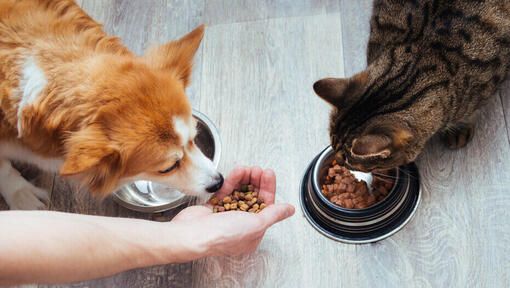
Pet owners who have both cats and dogs often encounter a common question: Can cats eat dog food? While the two foods may seem similar, the nutritional needs of cats and dogs are fundamentally different. Cats may occasionally nibble dog food out of curiosity, but offering dog food as a regular or long-term diet can lead to serious nutritional deficiencies and health issues.
This comprehensive guide explains why cats should not eat dog food, what nutrients they require that dog food lacks, and how to manage multi-pet feeding situations safely. It also covers short-term and long-term effects, what to do if your cat keeps sneaking dog food, and how to create a balanced diet for your feline companion.
Why Cats and Dogs Have Different Nutritional Needs
Although both animals are popular household pets, their biological and evolutionary backgrounds differ significantly. Dogs are omnivores, meaning they can digest both plant and animal sources for nutrition. Cats, however, are obligate carnivores, meaning their bodies require nutrients found almost exclusively in meat.
This distinction causes wide differences in dietary requirements, making dog food nutritionally insufficient for cats.
Cats Are Obligate Carnivores
Cats rely heavily on protein and fat as their primary energy sources. Their digestive systems are specialized for a meat-based diet. This means:
- Cats need more protein than dogs.
- Cats cannot synthesize certain nutrients that dogs can.
- Cats require specific amino acids and vitamins found naturally in animal tissues.
Essential Nutrients Cats Need That Dog Food Lacks
Dog food is designed to meet the nutritional needs of dogs, which are very different from those of cats. Listed below are critical nutrients that cats need but dog food does not provide in sufficient levels.
Taurine
Taurine is an essential amino acid for cats. It supports:
- Eye health
- Heart function
- Digestion
- Immune system strength
A long-term taurine deficiency can lead to:
- Dilated cardiomyopathy (DCM)
- Retinal degeneration and eventual blindness
- Reproductive issues
- Weakened immunity
Arachidonic Acid
Cats require arachidonic acid for:
- Skin and coat health
- Reproductive health
- Kidney function
- Digestive integrity
Vitamin A (Preformed)
Cats cannot convert beta-carotene from plant sources into usable vitamin A. They must receive preformed vitamin A, which is found only in animal tissues.
Dog food often relies on plant-based sources for vitamin A, making it unsuitable for cats. A deficiency in vitamin A can lead to:
- Poor coat quality
- Skin problems
- Night blindness
- Weakened immune response
Niacin
Cats must obtain niacin directly from their diet because they cannot produce sufficient amounts internally. Dog food often contains lower levels of niacin, making it inadequate for feline nutrition.
Higher Protein Levels
Cats require significantly more protein compared to dogs. Their metabolism relies on protein for:
- Energy
- Muscle development
- Organ function
Fat Requirements
Cats use fat more efficiently than dogs. Dog food may not contain enough animal fat to meet a cat’s energy needs, potentially leading to:
- Lethargy
- Weight loss
- Poor coat quality
What Happens When a Cat Eats Dog Food?
Short-Term Effects
If your cat takes a quick bite of dog food occasionally, it is typically not cause for alarm. Dog food is not toxic to cats. Short-term consumption may cause:
- Mild digestive upset
- Slight changes in appetite
- Occasional soft stool or vomiting
Long-Term Effects
Regular or prolonged feeding of dog food can be extremely harmful. Because dog food lacks essential feline nutrients, long-term consumption may lead to:
- Taurine deficiency, causing heart disease or blindness
- Malnutrition, due to inadequate protein and fat
- Skin issues, from fatty acid deficiencies
- Vision problems, from lack of preformed vitamin A
- Weak immune response
- Muscle loss
Why Cats Sometimes Prefer Dog Food
If your cat seems obsessed with the dog’s food bowl, you’re not alone. There are a few reasons for this behavior.
Curiosity
Cats explore by sniffing and tasting. A dog food bowl—especially one left open—is simply an opportunity for discovery.
Strong Smells or Flavors
Dog food formulas sometimes use fats or gravies that smell appealing, even to cats.
Boredom or Hunger
If your cat isn’t satisfied with their own food or is bored, they may wander over to the dog’s bowl.
Imitation Behavior
Cats sometimes imitate their canine companions, especially in multi-pet households.
Accessibility
Free-feeding dog bowls are an open invitation for a curious cat, especially when the cat food is fed on a schedule.
Can Dogs Eat Cat Food?
Interestingly, the reverse situation is also unhealthy. Dog owners should not allow dogs to eat cat food regularly because:
- Cat food is too high in protein and fat for dogs.
- Dogs may develop pancreatitis.
- It can lead to obesity and digestive upset.
What to Do If Your Cat Keeps Eating Dog Food
If your cat frequently approaches the dog bowl, there are practical strategies to prevent this from happening.
Separate Feeding Locations
Feeding your cat and dog in different rooms is one of the most effective methods. You can:
- Close the door
- Use baby gates
- Feed at separate times
Elevate the Cat’s Food
Place your cat’s food bowl on:
- A counter
- A shelf
- A cat tree
Avoid Free-Feeding the Dog
Leaving dog food out all day creates tempting opportunities. Try scheduled feeding times instead.
Use Microchip or Timed Feeders
Advanced feeding bowls can open only for specific pets, ensuring that each animal eats only its intended food.
Keep Your Cat Engaged
Cats who are mentally and physically stimulated are less likely to seek food from inappropriate sources. Offer:
- Toys
- Scratching posts
- Climbing structures
- Interactive play sessions
What to Do in an Emergency When Cat Food Is Not Available
There may be occasional situations where cat food is temporarily unavailable. In such cases, dog food may be used for a single meal only. However, there are better temporary alternatives that are closer to a cat’s nutritional needs.
Safer Short-Term Cat Food Alternatives
These should only be used briefly:
- Cooked chicken or turkey (plain, unseasoned)
- Scrambled eggs (no salt or butter)
- Tuna in water
- Low-sodium chicken broth
- Wet kitten milk replacer
Ensuring Your Cat Receives a Balanced Diet
A nutritionally balanced diet is vital for your cat’s long-term health. Here’s how to ensure they are getting the nutrients they need.
Choose a High-Quality Cat Food
Look for products that meet the nutritional standards established by AAFCO. These foods are formulated to include:
- Adequate protein
- Essential amino acids
- Preformed vitamins
- Proper fatty acid ratios
Provide Wet Food Regularly
Cats naturally have low thirst drive and benefit from added hydration through wet food.
Avoid Excessive Human Foods
Most human foods are not nutritionally complete for cats. Some can even be toxic.
Consult Your Veterinarian
If your cat has special dietary needs, ask your vet for guidance. Prescription diets may be recommended for:
- Kidney disease
- Diabetes
- Obesity
- Allergies
Signs Your Cat May Have Eaten Too Much Dog Food
Watch for symptoms such as:
- Vomiting
- Diarrhea
- Lethargy
- Loss of appetite
- Coat changes
- Weight fluctuation
- Weakness
- Vision issues
Frequently Asked Questions
Is dog food toxic to cats?
No, dog food is not toxic, but it is not nutritionally complete for cats and should not replace cat food.
Can kittens eat dog food?
No. Kittens have even higher nutrient needs than adult cats, making dog food especially unsuitable.
Can cats eat wet dog food?
Wet or dry, dog food still lacks the nutrients cats require.
Is it harmful if my cat eats dog treats?
Most dog treats are not dangerous but are not formulated for cats. Avoid giving them regularly.
Final Verdict: Can Cats Eat Dog Food?
Cats should not eat dog food as their main diet. A few bites on occasion are not dangerous, but long-term feeding can result in severe nutrient deficiencies, organ damage, and chronic health problems. Cats require a species-specific diet rich in protein, taurine, fat, and essential vitamins.
By managing feeding routines properly and providing a balanced feline diet, you can ensure your cat remains healthy, energetic, and well-nourished.