
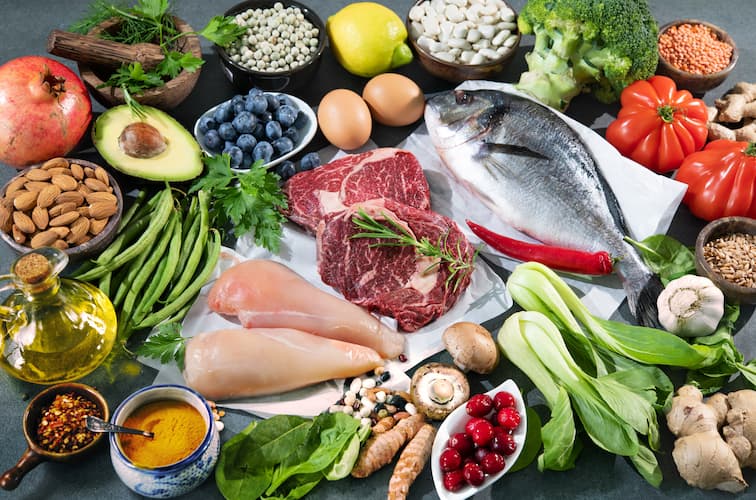
Understanding food safety is essential for anyone involved in preparing, handling, or serving food. Among the most important concepts in food safety is the idea of TCS food—foods that require strict control of Time and Temperature to prevent the growth of harmful pathogens. If you work in a restaurant, catering service, food truck, cafeteria, manufacturing facility, or even run a home-based food business, knowing which foods fall into this category is foundational to preventing foodborne illness.
This in-depth guide explains what TCS foods are, why they matter, the science behind bacterial growth, and how to properly manage them. By the end, you’ll fully understand the role TCS foods play in food safety regulations and how to handle them correctly.
What Does “TCS Food” Mean?
TCS stands for Time/Temperature Control for Safety. A TCS food is any food that supports the rapid growth of bacteria, viruses, and other microorganisms that can cause foodborne illness. Because these foods are biologically active, they must be kept at certain temperatures and cannot remain in unsafe zones for too long.
In simpler terms, TCS foods are high-risk foods that:
- Contain moisture
- Are protein-rich
- Are neutral or slightly acidic
- Provide ideal conditions for pathogens to grow
Why TCS Foods Are Considered High Risk
Microorganisms such as Salmonella, E. coli, Listeria, and Campylobacter thrive in foods that contain water, protein, and neutral pH. Most TCS foods naturally possess these qualities, making them perfect hosts for bacteria.
The main reasons TCS foods are risky include:
1. High Moisture Content
Pathogens need moisture to survive and multiply. Foods with a high water activity (aw) level—above 0.85—are more prone to spoilage and contamination.
2. Nutrient Density
Foods rich in proteins and carbohydrates act as fuel sources for harmful bacteria.
3. Neutral pH Levels
Foods with pH levels between 4.6 and 7.5 create an ideal environment for microorganisms.
4. Temperature Sensitivity
Leaving these foods at improper temperatures accelerates bacterial growth exponentially.
Understanding these properties is essential for safe handling practices.
The Temperature Danger Zone Explained
To safeguard TCS foods, it’s important to understand the Temperature Danger Zone (TDZ).
The Danger Zone: 41°F to 135°F (5°C to 57°C)
Within this temperature range, bacteria can grow rapidly—doubling in number in as little as 20 minutes. The longer a TCS food remains in this zone, the higher the risk of foodborne illness.
Breakdown of Danger Zone Behavior
- 41°F to 70°F: Slow bacterial growth
- 70°F to 125°F: Fastest bacterial growth zone
- Above 135°F: Most bacteria are unable to survive
Essential Time Rules for TCS Foods
Time is as important as temperature. Even small periods in the danger zone can be harmful.
The 4-Hour Rule
If a TCS food remains in the danger zone for 4 hours, the food must be discarded.
The 2-Hour Rule
If a TCS food stays in the danger zone for 2 hours or less, it may be refrigerated or reheated safely.
Why These Rules Exist
Because bacteria multiply so quickly, even a short exposure can allow dangerous levels of pathogens to form. The time-temperature standards are based on extensive scientific research.
Common TCS Foods (Complete List)
The FDA and ServSafe identify several categories of TCS foods. Below is a detailed breakdown.
1. Animal-Based Foods
Foods originating from animals are among the highest-risk items.
- Meat (beef, pork, lamb, goat)
- Poultry (chicken, turkey, duck)
- Seafood (fish, shellfish, crustaceans)
- Eggs (especially raw or lightly cooked)
- Dairy (milk, cheese, yogurt, cream)
2. Heat-Treated Plant Foods
Plant foods become TCS foods once cooked or heat-treated.
Examples include:
- Cooked rice
- Cooked pasta
- Cooked beans
- Cooked vegetables
- Baked potatoes
3. Raw Sprouts and Sprout Seeds
Sprouts are grown in warm, moist conditions—the perfect environment for pathogens. Outbreaks linked to sprouts are well-documented.
4. Cut Fruits and Vegetables
When fruits or vegetables are cut, their protective skin is removed, exposing nutrient-dense flesh.
TCS produce includes:
- Cut melons (cantaloupe, watermelon)
- Cut leafy greens
- Cut tomatoes
- Garlic-in-oil mixtures (if not acidified)
5. Ready-to-Eat Protein Foods
Foods that are not cooked before serving are particularly risky.
These include:
- Deli meats
- Soft cheeses
- Prepared salads containing meat or seafood
- Sushi containing raw fish
6. Bakery and Prepared Foods
Many bakery items become TCS foods depending on ingredients and storage needs.
Examples:
- Cream pies
- Custard-filled pastries
- Cheesecake
- Bread pudding
Foods That Are Not TCS Foods
Not all foods are considered high risk. Foods with low moisture or high acidity do not require time-temperature control.
Examples of non-TCS foods:
- Raw whole fruits and vegetables
- Breads and crackers
- Unopened canned products
- Dried beans and grains
- Dry spices and herbs
- Hard cheeses
- Candy and chocolate
How to Store TCS Foods Safely
Proper storage is critical to reducing foodborne illness risks. The following guidelines are widely accepted by food safety organizations.
1. Maintain Cold Foods at 41°F (5°C) or Below
Cold storage slows bacterial growth significantly.
Tips:
- Keep refrigerators properly calibrated
- Avoid overpacking to ensure good air circulation
- Store raw meats below ready-to-eat foods to prevent drips and cross-contamination
2. Keep Hot Foods at 135°F (57°C) or Above
Hot-holding equipment like steam tables or warming trays keeps foods out of the danger zone.
3. Use Thermometers
Relying on visual inspection is not safe. Always use:
- Probe thermometers
- Infrared thermometers
- Digital thermometers
4. Label and Date Food
TCS foods must be properly labeled for safe storage.
General rule:
- Use refrigerated prepared TCS foods within 7 days
- Day 1 is the preparation day
5. Follow FIFO
FIFO = First In, First Out
This reduces spoilage and keeps storage organized.
How Long Can TCS Foods Be Held Safely?
Time limits vary by temperature and food type.
Cold Holding
- Safe for up to 7 days at 41°F or below
Hot Holding
- Foods may be held indefinitely at 135°F or above
- Quality may degrade, but safety is maintained
Without Temperature Control
Some establishments use Time As a Public Health Control (TPHC).
Rules:
- 4 hours without temperature control (food discarded afterward)
- 6 hours if food starts cold at 41°F and never exceeds 70°F
Cooking Temperatures for TCS Foods
Cooking properly destroys harmful microorganisms.
| Food Category | Minimum Internal Temperature |
| | - |
| Poultry | 165°F (74°C) |
| Ground meats | 155°F (68°C) |
| Seafood | 145°F (63°C) |
| Pork, beef (whole cuts) | 145°F (63°C) + rest time |
| Eggs (held for service) | 155°F (68°C) |
| Eggs (immediate service) | 145°F (63°C) |
| Reheated TCS foods | 165°F (74°C) |
These temperatures are mandated by the FDA Food Code and ServSafe guidelines.
Cooling TCS Foods Safely
Improper cooling is one of the leading causes of foodborne illness. Hot foods must be cooled quickly and safely.
The Two-Stage Cooling Process
- Cool from 135°F to 70°F within 2 hours
- Cool from 70°F to 41°F within 4 hours
Cooling Methods That Work
- Ice baths
- Shallow pans (food depth less than 2 inches)
- Ice paddles
- Blast chillers
- Cutting food into smaller portions
Reheating TCS Foods Safely
Reheating rules ensure that any surviving bacteria are destroyed.
Key Guidelines
- Reheat foods to 165°F (74°C) for 15 seconds
- Must reach this temperature within 2 hours
- Do not use hot-holding equipment to reheat
TCS Food Examples in Real-Life Settings
TCS foods appear in every type of food establishment. Here are common examples across different environments.
Restaurants
- Chicken, beef, seafood
- Sauces with dairy or egg
- Soups and stews
- Cooked grains
- Salads like Caesar or tuna salad
Bakeries
- Cream-filled pastries
- Cheesecakes
- Custard pies
- Whipped cream products
Food Trucks
- Cooked meats
- Hot-held tacos or rice bowls
- Cut fruits used in beverages
Grocery Stores
- Prepared foods
- Cut produce
- Deli items
Catering Services
- Bulk hot-held dishes
- Large batches of rice or pasta
- Buffet lines with multiple TCS foods
Common Mistakes When Handling TCS Foods
Even experienced establishments can slip up. Here are frequent errors:
- Cooling foods in large, deep containers
- Leaving food out during prep too long
- Mislabeling or failing to date items
- Relying on guesswork for temperature
- Improper thawing (e.g., leaving meat on the counter)
- Storing raw meat above ready-to-eat foods
- Using the same cutting board for different foods
Best Practices for Preventing Cross-Contamination
Because TCS foods are so sensitive, preventing cross-contamination is critical.
Tips for a Safe Kitchen
- Use separate equipment for raw and cooked foods
- Wash hands frequently
- Clean and sanitize all surfaces
- Use color-coded cutting boards
- Store chemicals away from food areas
- Keep raw meats sealed and on lower shelves
Why TCS Food Training Matters
Training food handlers is essential because:
- It ensures compliance with health regulations
- It prevents outbreaks
- It protects business reputation
- It helps employees understand the science behind food safety
- ServSafe Food Handler
- ANSI-accredited training courses
- Local health department certifications
Conclusion
TCS foods are any foods that require time and temperature control to stay safe for consumption. Because they contain moisture, protein, and neutral pH levels, they are highly susceptible to bacterial growth. Understanding which foods fall into this category—and how to properly store, prepare, cool, heat, and serve them—is essential for every food business.
Proper handling of TCS foods helps prevent foodborne illness, keeps customers safe, and ensures compliance with regulatory standards. By mastering the guidelines outlined in this article, you can create a safer food environment and maintain high-quality service.