
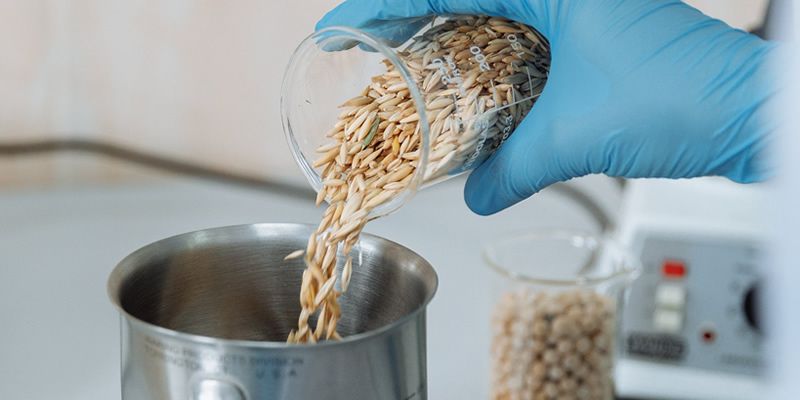
Bioengineered (BE) food ingredients have become a central point of discussion in modern food production. As global populations rise and food supply challenges intensify, biotechnology is increasingly used to support sustainable, resilient, and efficient agricultural systems. Yet, despite the ubiquity of bioengineered food ingredients, many consumers remain unsure about what they are, how they are made, and whether they are safe.
This comprehensive guide explains what bioengineered food ingredients are, how they differ from traditional food ingredients, why they are used, what regulations govern them, and the scientific consensus around their safety. By the end, you will have a clear and detailed understanding of the topic from both scientific and practical perspectives.
Understanding Bioengineered Food Ingredients
Definition of Bioengineered Food
The term “bioengineered food” refers to food products that contain genetic material that has been modified using laboratory techniques—specifically recombinant DNA (rDNA) technology—in ways that cannot be achieved through conventional breeding or found naturally.
In the United States, this term is legally defined by the National Bioengineered Food Disclosure Standard (NBFDS) and is used for regulatory labeling.
Bioengineered Food Ingredients
Bioengineered food ingredients are components derived from bioengineered crops or organisms. These ingredients may come from plants, microorganisms, or enzymes with genetically modified (GM) DNA, and they are used in a wide range of processed foods.
Examples include:
- Corn syrup made from bioengineered corn
- Soy lecithin derived from bioengineered soybean crops
- Canola oil from genetically modified canola seeds
- Enzymes developed through genetic engineering for baking, brewing, or cheese-making
Why Bioengineered Food Ingredients Were Developed
Bioengineering was introduced to address several challenges in food production. Over the past three decades, genetic engineering has evolved significantly, and modern biotechnology provides precision and control that traditional breeding cannot match.
1. Improving Crop Yield
Many bioengineered crops are developed to withstand environmental stressors such as drought, pests, or poor soil conditions. Higher yield efficiency means better food security, especially in regions vulnerable to climate unpredictability.
2. Enhancing Nutritional Content
Genetic engineering can improve or alter the nutritional profile of crops. A well-known example is Golden Rice, engineered to produce beta-carotene, helping combat vitamin A deficiency in some populations.
3. Increasing Resistance to Pests and Diseases
Bioengineered crops such as Bt corn and Bt cotton produce proteins that naturally repel certain pests, reducing the need for chemical pesticide applications.
4. Reducing Agriculture’s Environmental Impact
Bioengineered crops designed to tolerate herbicides allow for reduced tilling. Less soil disturbance leads to better soil health, reduced erosion, and lower greenhouse gas emissions.
5. Enhancing Food Processing Efficiency
Genetic engineering is widely used to create enzymes that make food processing faster, more consistent, and more environmentally friendly.
How Bioengineered Ingredients Are Created
Bioengineered food ingredients originate through a series of laboratory and field processes. The goal is to introduce specific DNA sequences to achieve desired traits.
1. Identifying a Target Trait
Scientists begin by identifying a trait to enhance, such as drought resistance or oil composition. They then locate the genes responsible for this trait in other organisms.
2. Inserting Genetic Material
Using recombinant DNA technology, selected genes are inserted into the host organism. This is typically done using:
- Gene guns
- Agrobacterium (a natural transgene carrier)
- CRISPR-Cas9, a modern gene-editing tool
3. Regeneration and Testing
Cells containing the modified DNA are grown into full plants. They are tested to ensure:
- The new trait expresses itself appropriately
- No unintended characteristics appear
- The crop behaves predictably in various conditions
4. Regulatory Approval
Before reaching the market, bioengineered foods undergo strict assessment by national and international regulatory bodies. Depending on the region, these may include:
- FDA (U.S. Food and Drug Administration)
- USDA (United States Department of Agriculture)
- EFSA (European Food Safety Authority)
- WHO (World Health Organization)
5. Commercial Cultivation and Ingredient Extraction
Once approved, the crop is cultivated, harvested, and processed into various ingredients that enter the food supply chain.
Common Examples of Bioengineered Food Ingredients
Bioengineered crops are widely used in the production of processed foods. Some of the most common ingredients include:
Corn-Based Ingredients
- Corn syrup
- Corn starch
- High-fructose corn syrup (HFCS)
- Cornmeal
Soy-Based Ingredients
- Soy lecithin
- Soy protein isolates
- Soybean oil
Canola Oil
Canola engineered to resist herbicides is a common crop, and its oil is used in cooking and food manufacturing.
Sugar Beet Sugar
Many sugar beets grown today are genetically engineered to improve yield and reduce herbicide use.
Enzymes and Additives
Products like rennet (used in cheese making), baking enzymes, and certain fermentation products (used in beer, yogurt, and bread) are frequently bioengineered.
Labeling and Regulations for Bioengineered Foods
The National Bioengineered Food Disclosure Standard (NBFDS)
In the United States, the USDA requires certain foods containing detectable modified DNA to carry a bioengineered label. The labeling options include:
- A written declaration
- A BE symbol
- Electronic or digital disclosures
Detectable vs. Undetectable DNA
Processed ingredients (such as refined oils and sugars) often contain no detectable GMO DNA after refinement. According to NBFDS rules, such foods may not require labeling, even if derived from a BE crop.
International Labeling Standards
Labeling laws vary significantly across regions:
- Europe: Strict mandatory labeling for all GM-derived foods
- Canada & U.S.: More flexible and allow voluntary labeling in many cases
- Australia & New Zealand: Mandatory labeling if DNA or protein from GM sources remains detectable
Are Bioengineered Food Ingredients Safe?
Scientific Consensus
Leading scientific institutions across the globe—including the World Health Organization, National Academy of Sciences, FDA, EFSA, and American Medical Association—agree that approved bioengineered foods are just as safe as conventional foods.
Environmental Safety
Studies suggest that GM crops can reduce agriculture’s environmental impact through reduced pesticide use and improved land efficiency. However, ecological concerns continue to be studied, especially regarding biodiversity and herbicide-resistant weeds.
Long-Term Health Effects
After more than 30 years of research and consumption, no credible scientific evidence has shown that approved bioengineered foods pose greater health risks than conventional foods.
Misconceptions About Bioengineered Foods
1. “Bioengineered means unhealthy.”
Bioengineering is simply a process. It does not inherently make food unhealthy. The nutritional content depends on the food type, not its genetic origin.
2. “All processed foods contain GMOs.”
While many processed foods contain ingredients derived from BE crops, not all processed foods do—and not all BE-derived ingredients contain detectable modified DNA.
3. “Organic foods contain no GMOs.”
By regulation, organic certification prohibits the use of genetically engineered seeds or ingredients.
4. “Bioengineered and GMO are the same term.”
These terms are related but not identical:
- GMO is a broader scientific category.
- Bioengineered is a regulatory labeling term defined by U.S. law.
Benefits and Drawbacks of Bioengineered Food Ingredients
Benefits
- Higher crop efficiency and yields
- Potentially reduced environmental impact
- Lower food production costs
- Better resistance to climate-related challenges
- Improved food quality and processing efficiency
Drawbacks
- Controversy and consumer mistrust
- Potential ecological effects (e.g., herbicide-resistant weeds)
- Restrictions in some countries complicating trade
- Dependence on patented seeds for farmers
Future of Bioengineered Foods
As biotechnology advances, bioengineered foods are entering a new era marked by precision gene editing tools like CRISPR, which allow for highly targeted modifications without introducing foreign DNA.
Emerging Innovations Include:
- Drought-resistant wheat varieties
- Apples that resist browning
- Potatoes engineered to produce less acrylamide
- Livestock with improved disease resistance
- Microbial fermentation that produces animal-free dairy proteins
Frequently Asked Questions
Do bioengineered foods cause allergies?
Extensive testing is required to ensure that any new protein introduced does not cause allergic reactions. So far, no approved BE food has been shown to increase allergy risk.
Can bioengineered food ingredients be avoided?
Yes. Consumers can choose:
- Organic-certified foods
- “Non-GMO Project Verified” products
- Foods with BE disclosure labels
Do bioengineered ingredients change the flavor of food?
In most cases, bioengineered ingredients do not alter flavor. Many BE crops do not change the sensory properties of foods at all.
Conclusion
Bioengineered food ingredients are a significant part of the modern food system. They are designed to improve agricultural efficiency, enhance nutritional profiles, and support sustainable farming practices. While public perception varies, the scientific consensus overwhelmingly supports their safety. Regulations worldwide continue evolving to ensure transparency, safety, and consumer choice.
Whether you choose to include or avoid them is a personal decision, but understanding how they work—and the science behind them—empowers you to make informed choices about the food you eat.