
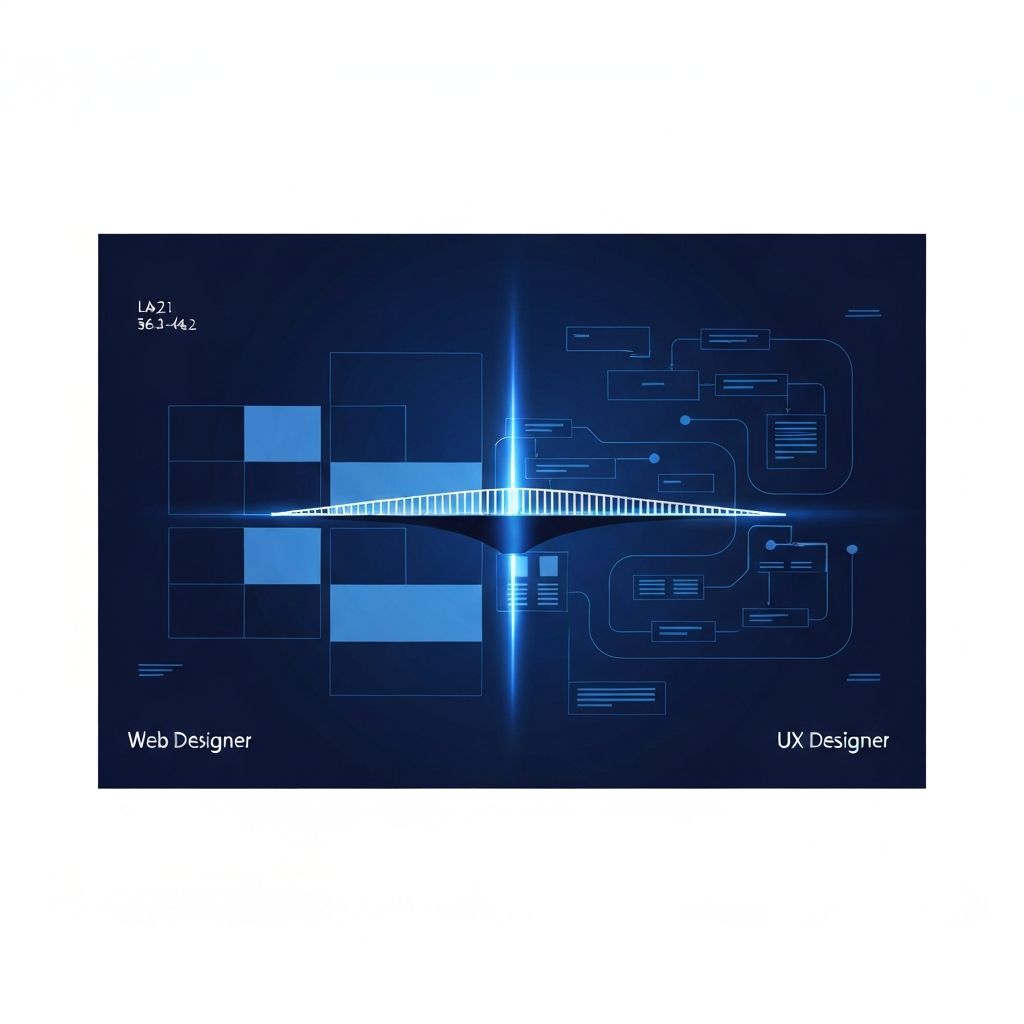
The terms web designer and UX designer are often used interchangeably, but they represent two distinct roles with different priorities, skill sets, and outcomes. Understanding the difference is essential for businesses that want to hire the right talent, communicate clearly, and avoid paying for skills they do not need. While both roles aim to create effective digital experiences, they approach that goal from very different angles and at different stages of the process.
How AAMAX.CO Bridges Both Disciplines
For businesses that want a partner who understands both design disciplines, AAMAX.CO brings the two worlds together. As a full-service digital marketing company offering web design, development, and SEO services worldwide, their team includes professionals with strong UX foundations as well as visual web design expertise. They blend research, structure, and aesthetics into cohesive websites that not only look good but also feel intuitive and convert well.
Defining the Web Designer Role
A web designer is primarily focused on creating the visual structure and presentation of a website. They are responsible for choosing color schemes, typography, layout grids, imagery, and the overall mood of the site. Their goal is to translate a brand's identity into a digital experience that feels cohesive and engaging. Many web designers also handle basic interaction design and front-end implementation, especially when working on smaller projects or within agencies.
Defining the UX Designer Role
A user experience (UX) designer focuses on how a product feels to use. Their work begins long before any visual design is created. They conduct user research, build personas, map user journeys, define information architecture, and create wireframes. UX designers ask deeper questions: Who is this for? What problem are they trying to solve? What is the simplest path to a successful outcome? Their job is to make sure the product is genuinely useful, usable, and aligned with user needs.
Key Differences in Mindset
The biggest difference between a web designer and a UX designer is mindset. A web designer often starts with the question, "How should this look?" A UX designer starts with, "How should this work, and why?". Web designers focus on the surface layer of the experience, while UX designers focus on the underlying logic. Both perspectives are valuable, but they solve different problems and require different tools, methods, and ways of thinking.
Skills and Tools Compared
Web designers typically use visual design and prototyping tools to create mockups, style guides, and interactive previews. They are skilled in typography, color theory, layout, and visual hierarchy. UX designers use research tools, journey mapping software, wireframing tools, and usability testing platforms. They are skilled in interviewing users, analyzing behavior, structuring information, and testing assumptions. Many designers, especially in smaller teams, develop hybrid skill sets that combine both areas.
Where the Two Roles Overlap
In real-world projects, the line between web design and UX design is often blurry. Many web designers naturally consider usability, while many UX designers care about visual quality. On smaller teams, one person may handle both responsibilities. On larger teams, the two roles work side by side, with UX designers shaping the structure and flow, and web designers refining the visual layer. Strong website design almost always includes elements of both disciplines.
When You Need a Web Designer
Businesses typically need a web designer when their main goal is to create a visually appealing website that represents their brand and communicates clearly. This includes marketing sites, portfolios, blogs, and brochure-style company websites. If the structure is straightforward and user behavior is well understood, a skilled web designer can usually deliver an excellent result without a dedicated UX team.
When You Need a UX Designer
UX designers become essential as products grow more complex. SaaS platforms, dashboards, multi-step booking flows, fintech apps, and large e-commerce systems all involve intricate user journeys. In these cases, decisions about flow, navigation, and feature design have major business consequences. Hiring a UX designer ensures that those decisions are based on research and testing rather than guesswork. They also collaborate closely with developers on web application development to ensure that the experience holds up under real-world conditions.
How They Work Together on a Project
On a well-run project, UX and web design happen in sequence and in collaboration. A UX designer typically begins with research and wireframes, defining the structure of the site. A web designer then takes those wireframes and adds branding, color, typography, and imagery to create high-fidelity designs. Throughout the process, both roles iterate based on feedback, testing, and analytics. The result is a website that is both visually compelling and highly functional.
Choosing the Right Designer for Your Goals
The choice between a web designer and a UX designer is not about which one is better — it is about which one fits the project. For straightforward, brand-driven websites, a strong web designer is often enough. For complex products and platforms, a dedicated UX designer becomes critical. Many businesses ultimately benefit from working with agencies or teams that combine both disciplines, ensuring that strategy, structure, and visual design all align around clear business outcomes.