
Cotton Country and the Case for Local Textiles
Lubbock's identity is inseparable from cotton. The surrounding counties of the South Plains produce a remarkable share of the United States crop, and the infrastructure built around that harvest, including gins, warehouses, classing offices, oil mills and research programs, gives the city an unusual concentration of fiber knowledge. Textile Research at the university level has long supported the industry with fiber testing, spinning trials and product development, which means local manufacturers can validate ideas quickly and precisely.
For brands and buyers, that proximity matters more than it used to. Shorter supply chains reduce lead time risk, simplify traceability claims and make small-batch production viable. A company sourcing in Lubbock can trace fiber from a specific growing region, test it locally, and have it spun, knitted, cut and sewn without crossing an ocean. The manufacturers below illustrate the different links in that chain.
The Top 10 Best Textile Manufacturers in Lubbock
1. Llano Estacado Textile Mills
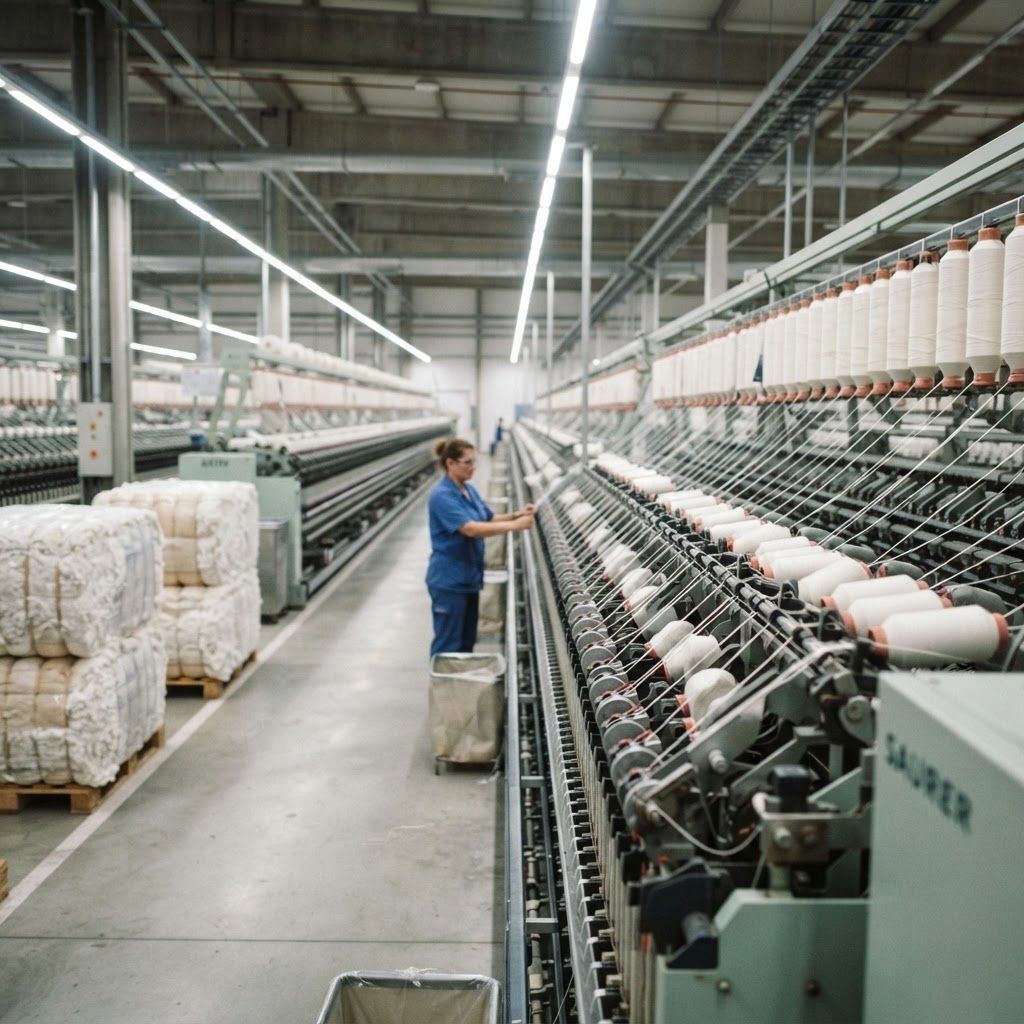
A vertically integrated operation covering ginned-cotton intake, carding, ring and open-end spinning, and yarn packaging. They serve knitters and weavers across the country and are known for consistent yarn quality metrics and detailed lot documentation, which matters for brands making traceability claims.
2. Caprock Cotton Works
Specialists in cotton processing and fiber preparation, including cleaning, blending and bale management. Their laboratory support helps buyers match staple length, micronaire and strength to specific end uses rather than accepting generic commodity grades.
3. Hub City Knitting Company
A circular knitting facility producing jersey, interlock, rib, fleece and performance blends. They accommodate moderate minimums, which makes them a practical partner for emerging apparel labels, and they offer development knitting so designers can evaluate hand feel before committing to production yardage.
4. South Plains Apparel Manufacturing
Cut-and-sew production for tees, hoodies, workwear and uniforms. The company handles pattern making, grading, marker efficiency, sewing and finishing in one facility, and supports both domestic brand programs and corporate uniform contracts.
5. Red Raider Custom Embroidery and Print
Decoration specialists offering screen printing, embroidery, direct-to-film transfer and heat-applied graphics. Their volume flexibility serves everything from small team orders to large seasonal retail programs, and they emphasize color matching consistency across reorders.
6. Panhandle Industrial Fabrics
Technical textile fabrication for agriculture and industry, including tarps, covers, filtration media, geotextiles and protective barriers. Products are engineered for the region's punishing combination of sun exposure, wind abrasion and temperature swings.
7. Yellowhouse Home Textiles
Producers of towels, bedding, table linens and hospitality goods. They work with regional cotton to supply hotels, healthcare facilities and retailers, and offer private label programs with custom sizing and packaging.
8. Texas Plains Denim Studio
A small-batch denim and heritage workwear producer focused on durable construction, selvedge fabrics and repairability. Their model appeals to buyers who want fewer, better garments and a story rooted in the fiber's origin.
9. Monarch Dyeing and Finishing
Wet processing services including reactive and pigment dyeing, garment washing, enzyme treatments, softening and performance finishes. The plant emphasizes water recycling and lower-temperature processes to reduce both cost and environmental load.
10. Cotton Belt Nonwovens
Manufacturers of nonwoven products such as wipes, insulation batting, agricultural row cover and medical-adjacent materials. Nonwovens absorb shorter fibers efficiently, making them an important outlet for material that would otherwise be underutilized.
Trends Shaping Textile Manufacturing
Three themes dominate current conversations in the industry. Traceability is first: buyers increasingly want to know exactly where fiber was grown and how it was processed, and regional supply chains make that documentation far easier to provide. Second, sustainability pressure has shifted from marketing to measurement, with water use, energy intensity, chemical management and recycled content now tracked as operational metrics. Third, nearshoring continues to gain momentum as brands weigh freight volatility, tariff exposure and inventory risk against unit cost.
Automation is also changing the economics of domestic production. Modern spinning, automated cutting and digital printing reduce labor content per unit, narrowing the gap that once made offshore production the automatic choice for many product categories.
How to Choose a Textile Manufacturing Partner
Begin by mapping your product against the right process. A knitter cannot weave, a dye house does not sew, and a nonwovens plant serves entirely different applications. Once scope is clear, focus on quality systems, capacity and communication.
- Ask for fiber and fabric test data, not just samples.
- Confirm minimum order quantities and how they change across colorways.
- Request realistic lead times for development, first production and reorders.
- Verify social compliance and environmental permitting practices.
- Run a paid development sample before committing to a full production run.
Final Thoughts
Lubbock offers something rare in modern apparel and technical textiles: a complete regional ecosystem built on the fiber grown just outside the city limits. That creates practical advantages in speed, traceability and collaborative product development, and it gives smaller brands access to capabilities that once required overseas sourcing. Whether you need commodity yarn, performance knits, industrial fabrics or finished garments, the manufacturers above demonstrate the breadth available. Define your product requirements precisely, sample thoughtfully, and build the relationship with the same care you would give any long-term supply agreement.