
The Pest Calendar in the Twin Cities
Pest pressure in St. Paul follows seasons closely, and understanding that rhythm makes prevention far more effective than reaction. Spring brings carpenter ants emerging from overwintering sites, along with the first wasp queens establishing nests. Early summer adds mosquitoes, ticks in wooded and tall grass areas, and box elder bugs. Late summer produces peak wasp and yellow jacket aggression as colonies reach maximum size and food sources shift. Autumn is rodent season, when mice and occasionally rats seek warmth as temperatures drop. Winter brings indoor activity from populations already established inside walls and attics.
This predictability is an advantage. Sealing entry points in late summer prevents the fall rodent influx. Treating carpenter ant colonies in spring interrupts the season before structural damage progresses. Managing standing water early reduces mosquito populations before they peak.
The Most Consequential Local Pests
Mice are the most common household complaint. They need only a small gap to enter, and utility penetrations, garage door corners, foundation cracks, and gaps around rim joists provide ample opportunity. Beyond contamination, they chew wiring and insulation, creating real damage.
Carpenter ants deserve serious attention because they excavate galleries in wood, particularly wood that has been moisture damaged. Their presence often indicates a hidden leak, meaning treatment should include finding and fixing the moisture source.
Wasps and yellow jackets nest in soffits, wall voids, and ground cavities. Removal near entries and play areas is a genuine safety matter, especially for anyone with sting allergies.
Other regular concerns include mosquitoes, ticks with associated disease risk, box elder bugs and other overwintering nuisance insects, pantry moths, cockroaches primarily in multifamily buildings, bed bugs in rental and travel-related cases, and wildlife such as squirrels, bats, and raccoons entering attics.
Ten Pest Control Services Serving St. Paul
Capital City Pest Solutions offers full-service residential programs with quarterly treatment plans and rodent exclusion work.
Northern Exclusion Specialists emphasizes structural sealing and physical exclusion over chemical application, focusing on long-term prevention.
Heritage Home Pest Management works in older homes where stone foundations and numerous access points require detailed inspection.
Summit Wildlife Removal handles humane squirrel, bat, and raccoon removal along with attic restoration and entry point repair.
Great River Mosquito and Tick Control concentrates on yard treatments, habitat reduction, and seasonal barrier applications.
Frostline Rodent Control specializes in fall and winter rodent programs including monitoring, baiting, and sanitation follow-up.
Eastside Commercial Pest Services serves restaurants, food processing, and multifamily properties with documented integrated pest management programs.
Union Park Green Pest Care uses reduced-risk products and targeted application, appealing to households with children and pets.
Landmark Bed Bug Specialists focuses on heat treatment and canine inspection for bed bug detection and elimination.
Riverfront Ant and Termite Services completes the list with carpenter ant expertise and moisture-related wood damage assessment.
Integrated Pest Management Beats Spraying
The professional standard has shifted decisively toward integrated pest management, which prioritizes inspection, identification, habitat modification, and exclusion, applying targeted treatment only where necessary. This approach performs better and reduces unnecessary chemical exposure.
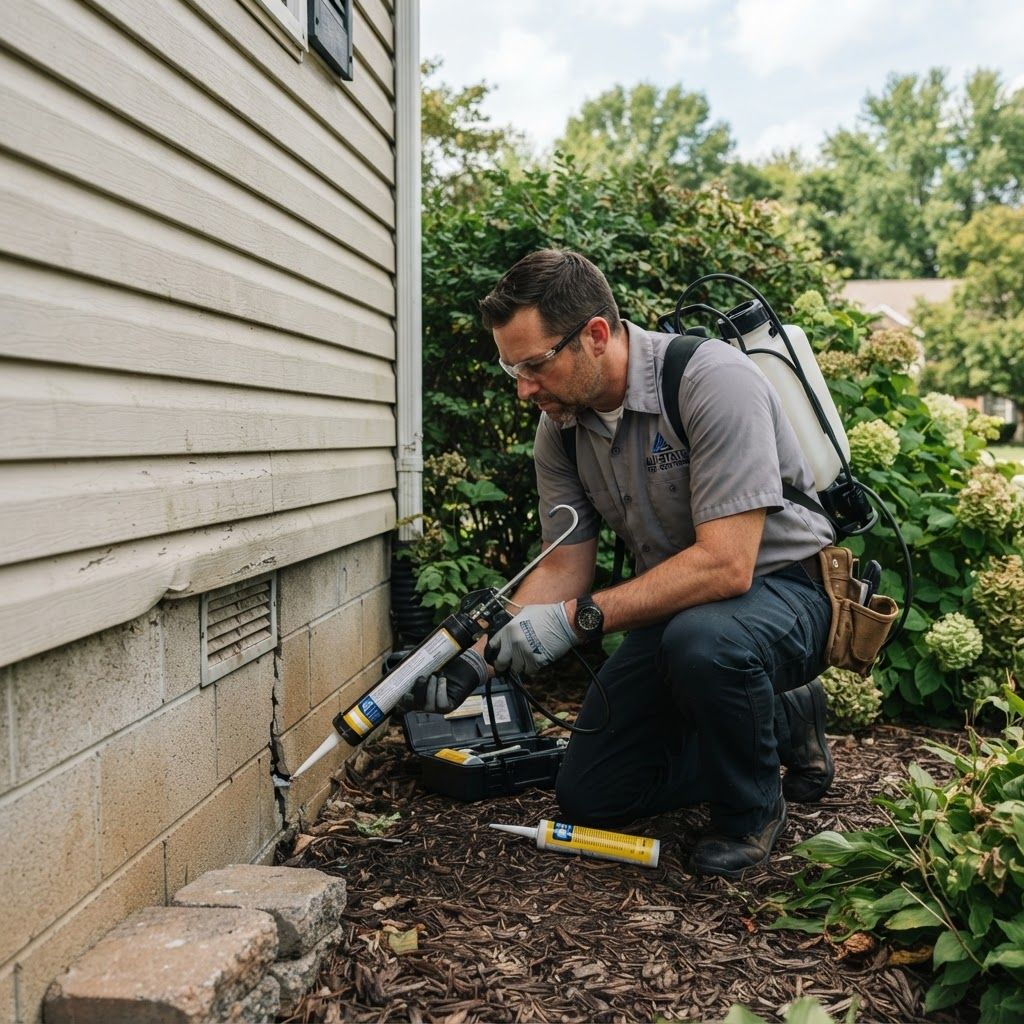
Practical exclusion work includes sealing gaps with appropriate materials such as copper mesh and sealant rather than expanding foam alone, installing door sweeps, screening vents and chimney caps, repairing damaged soffit and fascia, and correcting grading and drainage that keeps soil moist against foundations. Sanitation matters as well, meaning sealed food storage, prompt cleanup, secured garbage, and removal of firewood and debris piles adjacent to the house.
A quality provider will walk the exterior with you, point out actual entry points, and photograph findings. A provider who sprays a perimeter and leaves without inspection is treating symptoms.
Service Plans and Pricing
Most companies offer either one-time treatment for a specific problem or recurring plans with quarterly visits and free callbacks between services. Recurring plans work well for properties with persistent pressure, while one-time service suits isolated issues. Exclusion work is typically priced separately because it is construction labor rather than pest treatment.
Ask what the plan actually covers. Some exclude wildlife, bed bugs, or termites. Confirm whether callbacks are included at no charge and how quickly they are scheduled. Request the product names and application locations, along with any reentry intervals or pet safety guidance.
Verification and Safety
Pest control applicators in Minnesota require licensing, and companies should provide license information on request. Confirm liability insurance. Ask about safety protocols for households with children, pets, aquariums, or chemical sensitivities. For wildlife work, confirm methods comply with state regulations regarding protected species, particularly bats which have seasonal restrictions on exclusion timing.
Conclusion
Effective pest control in St. Paul is largely about timing and sealing rather than spraying. The ten providers above cover general household pests, rodents, wildlife, mosquitoes, bed bugs, and commercial programs. Choose a company that inspects thoroughly, explains findings with evidence, and treats exclusion as the primary solution with chemical application as a supporting tool.