
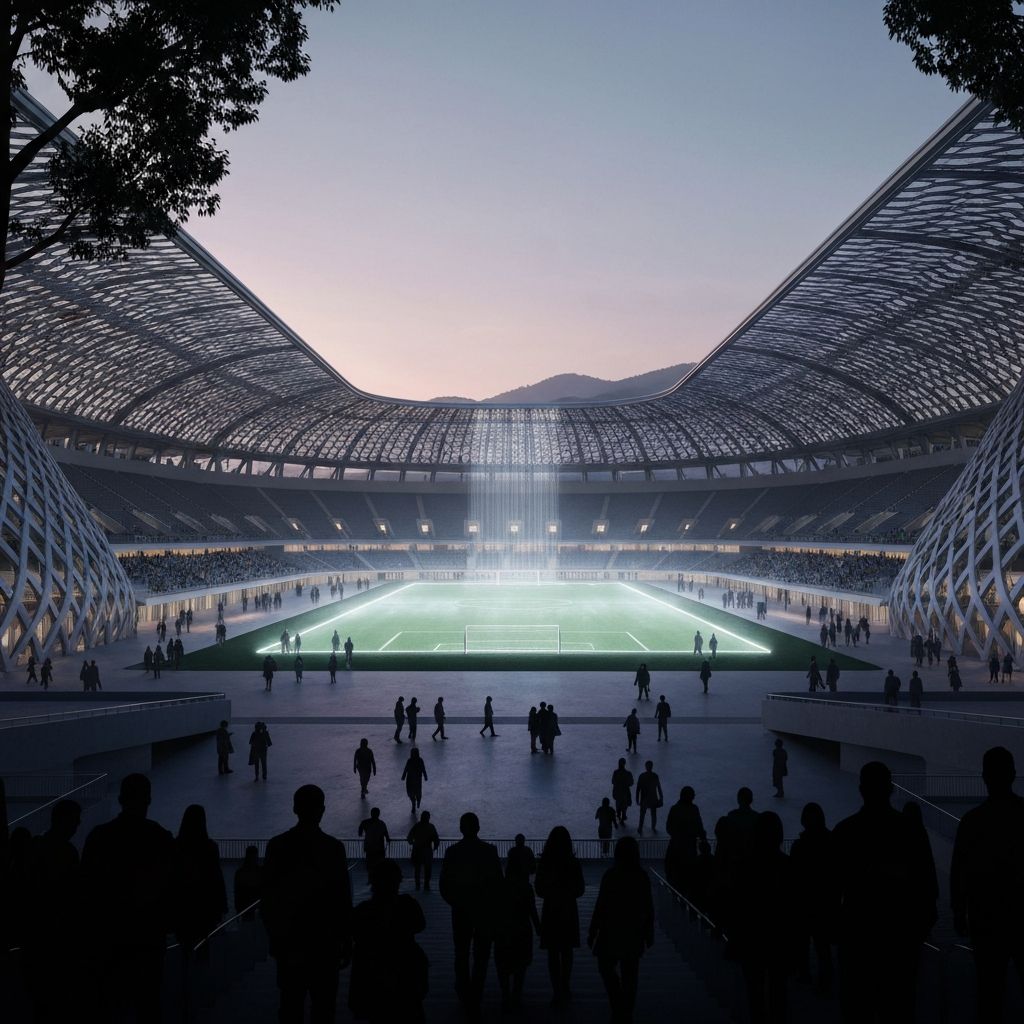
China's Stadium Landscape
China's stadium development has been remarkable, especially since the 2008 Beijing Olympics, the 2022 Winter Games, and a wave of football reform initiatives. Today, the country features some of the most architecturally striking and operationally advanced sports venues in the world. These stadiums host international tournaments, top-tier domestic leagues, and major concerts, drawing millions of visitors annually.
Top 10 Stadiums in China
1. Beijing National Stadium (Bird's Nest): Built for the 2008 Olympics, this iconic 80,000-seat venue remains a global architectural symbol and hosts athletics, football, and major ceremonies.
2. Shanghai Stadium: Located in Xuhui District, this 56,000-seat stadium serves as home for Shanghai SIPG and regularly hosts international concerts and sporting events.
3. Guangdong Olympic Stadium: Featuring a wave-like roof, this Guangzhou-based stadium can seat over 80,000 fans and is one of the largest in southern China.
4. Hangzhou Olympic Sports Center Stadium: Designed for the 2022 Asian Games, this 80,000-seat venue is famous for its lotus-petal exterior and modern facilities.
5. Shenzhen Universiade Sports Centre: A futuristic complex with crystalline forms, hosting football, athletics, and large-scale entertainment events.
6. Tianjin Olympic Center Stadium (Water Drop): Known for its rounded silhouette, this stadium hosted matches during the 2008 Olympics and continues to host Chinese Super League games.
7. Wuhan Sports Center Stadium: A central China landmark hosting top football clubs and international friendlies, with capacity for around 54,000 spectators.
8. Nanjing Olympic Sports Center: Hosting the 2014 Youth Olympic Games, Nanjing's stadium features an arch design and seats over 60,000.
9. Universiade Centre Chengdu: Built for the FISU Games, this venue showcases sustainable construction and excellent acoustics for entertainment events.
10. Qingdao Youth Football Stadium: A modern football-specific stadium known for its excellent sightlines, designed to elevate Chinese football culture.
Architectural Innovation
Chinese stadiums often double as architectural icons. From Beijing's woven steel to Hangzhou's floral motifs, designs reflect local culture and engineering ambition. Energy-efficient lighting, retractable roofs, and modular seating systems are increasingly common, making these venues fit for both global events and everyday use.
Beyond Sports
Many of China's top stadiums function as multipurpose venues. They host pop concerts, esports tournaments, cultural festivals, and conventions. This versatility is essential for financial sustainability and helps integrate the venues into local economies.
Fan Experience
Chinese stadium operators have invested heavily in enhancing fan experiences with mobile ticketing, contactless entry, augmented reality features, and gourmet concessions. Family zones, accessibility upgrades, and improved transit links ensure that attending an event is convenient and enjoyable.
The Future of Chinese Stadiums
Future Chinese stadiums will emphasize sustainability, smart technology, and community use. Solar panels, rainwater harvesting, and energy-neutral designs are being integrated. Smaller, football-specific stadiums are also rising in popularity as the domestic league matures and fan culture deepens.
Conclusion
China's stadiums are more than sports venues—they are statements of design, ambition, and cultural pride. From the legendary Bird's Nest to next-generation arenas, these stadiums showcase the country's ability to deliver world-class infrastructure while creating unforgettable experiences for athletes and fans alike.