
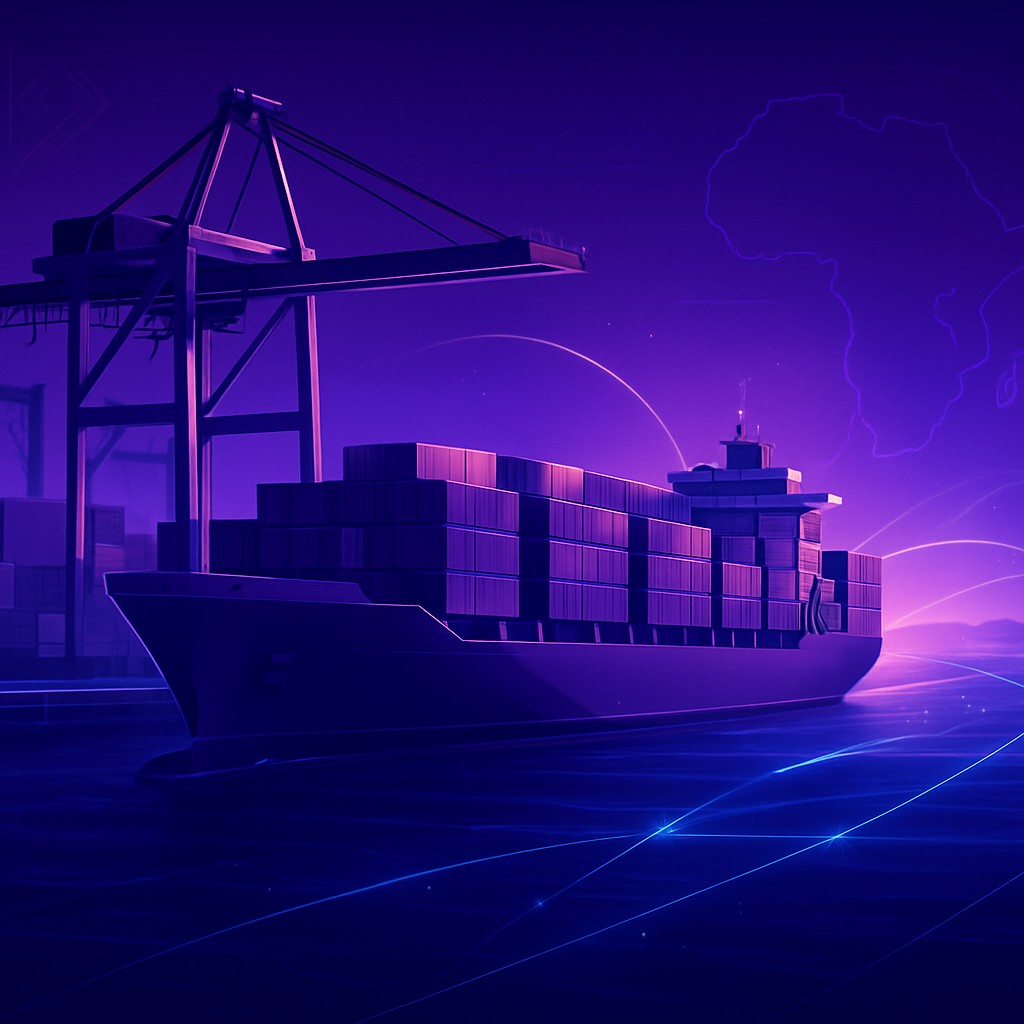
Maritime Trade in Côte d'Ivoire
With its strategic position on the Gulf of Guinea, Côte d'Ivoire is a maritime gateway for West Africa. The Port of Abidjan, one of the busiest in the region, and the deepwater port of San-Pédro handle vast volumes of cargo, from cocoa and coffee exports to imported manufactured goods. Shipping companies are the lifeblood of this trade, connecting Ivorian ports to markets around the world and supporting the nation's export-driven economy.
The shipping industry encompasses container lines, bulk carriers, and specialized vessel operators, all working to move goods efficiently across the seas. As global trade expands and port infrastructure improves, shipping companies continue to play an increasingly vital role in the country's economic prosperity.
The Role of Shipping Companies
Shipping companies provide the essential link between Côte d'Ivoire and international markets. They operate the vessels that carry containers and bulk cargo, manage schedules and routes, and coordinate with ports, freight forwarders, and customs authorities. Their reliability and efficiency directly impact the competitiveness of Ivorian exports and the availability of imported goods.
Beyond transport, many shipping lines offer integrated logistics services, including container leasing, cargo tracking, and supply chain solutions. This comprehensive approach helps businesses manage their international trade more effectively and predictably.
Leading Shipping Companies
Several major shipping lines operate through Ivorian ports. Maersk Line is a global leader with a strong presence in Abidjan, offering extensive container shipping services and reliable connections to international markets. CMA CGM, another global giant, provides comprehensive ocean freight and logistics solutions, serving as a key partner for importers and exporters.
MSC (Mediterranean Shipping Company) operates frequent services through Côte d'Ivoire, valued for its broad network and capacity. Bolloré Africa Logistics, now Africa Global Logistics, integrates shipping with port operations and inland transport. Grimaldi Lines specializes in roll-on/roll-off services and vehicle shipping, an important segment for the regional market.
Other respected names include Hapag-Lloyd, known for dependable container services, and Maersk subsidiary Sealand, focused on regional connectivity. PIL (Pacific International Lines) serves routes connecting Africa with Asia, while OT Africa Line specializes in West African coastal and intercontinental trade. Delmas, a long-established name in African shipping, completes the list with its extensive regional expertise.
Ports and Infrastructure
The Port of Abidjan is the centerpiece of Ivorian maritime trade, handling the majority of the country's container and bulk cargo. Ongoing expansion projects, including a second container terminal, have increased capacity and efficiency, reducing congestion and improving turnaround times. The port also serves as a transit hub for landlocked neighbors.
The port of San-Pédro, the world's largest cocoa-exporting port, complements Abidjan by handling significant agricultural and bulk cargo. Its deepwater capabilities accommodate larger vessels, supporting the country's growing export volumes. Together, these ports form the foundation of a robust maritime sector.
Services and Specializations
Shipping companies in Côte d'Ivoire offer a range of specialized services. Container shipping dominates, supporting the import and export of manufactured goods, agricultural products, and consumer items. Bulk shipping handles commodities such as grain, fertilizer, and minerals, while roll-on/roll-off services facilitate the transport of vehicles and machinery.
Refrigerated shipping, or reefer services, is particularly important for perishable exports like cocoa, coffee, and fresh produce. The availability of these specialized services enhances Côte d'Ivoire's ability to compete in global markets and meet the diverse needs of its trading partners.
Industry Trends
The shipping sector is evolving in response to global trends. Digitalization is improving cargo tracking, documentation, and scheduling, enhancing transparency and efficiency. Investments in larger, more fuel-efficient vessels and port modernization are increasing capacity while reducing environmental impact.
Sustainability is a growing priority, with shipping lines adopting cleaner technologies and more efficient operations. These developments position Côte d'Ivoire's maritime sector for continued growth as it strengthens its role as a leading West African trade hub.
Conclusion
Shipping companies are fundamental to Côte d'Ivoire's role as a maritime gateway for West Africa. Through the ports of Abidjan and San-Pédro, global leaders like Maersk, CMA CGM, and MSC connect the country to international markets, supporting its vibrant export economy. By partnering with reliable shipping lines offering comprehensive and specialized services, businesses can navigate global trade with confidence and capitalize on the opportunities of this strategically positioned nation.