
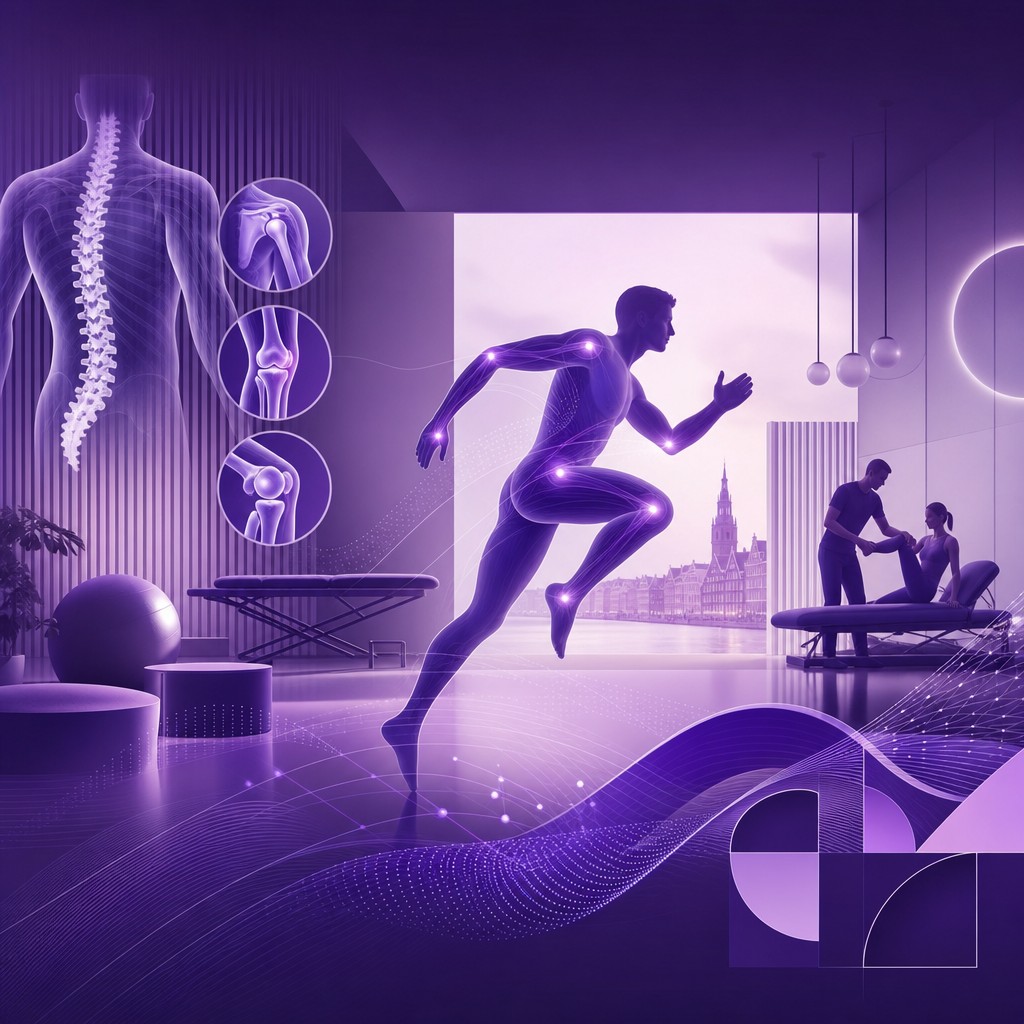
Movement and Recovery in Denmark
Denmark is a nation that values movement. With high rates of cycling, sport, and outdoor activity, physiotherapy plays a vital role in keeping the population active and healthy. Whether recovering from injury, managing chronic pain, or rehabilitating after surgery, Danes turn to skilled physiotherapists who combine hands-on treatment with evidence-based exercise and education.
Physiotherapy in Denmark is well integrated into the healthcare system. Patients can often receive treatment with a referral from their GP, and many services are partially reimbursed. A strong network of private clinics complements public provision, offering specialised care for athletes, office workers, and older adults alike.
The Top 10 Physiotherapy Centers
1. Falck Healthcare Physiotherapy — Part of the iconic Danish Falck group, offering professional rehabilitation, occupational health, and corporate wellness services nationwide.
2. Fysioterapien (Copenhagen clinics) — A network of central practices known for sports rehabilitation, manual therapy, and personalised treatment plans.
3. SportsClinic Copenhagen — Specialists in sports injuries and performance, working with amateur and professional athletes to optimise recovery.
4. Aarhus Fysioterapi — A respected Jutland clinic combining musculoskeletal treatment with tailored exercise programmes.
5. ProPhysio — A modern clinic chain focused on evidence-based care, ergonomics, and injury prevention.
6. Fysiocenter Odense — A trusted Funen provider offering comprehensive rehabilitation and chronic pain management.
7. Aalborg Fysioterapi & Træning — A northern centre blending physiotherapy with supervised training facilities.
8. Rygcenter Danmark affiliated clinics — Specialists in back and spine rehabilitation, addressing one of the most common health complaints.
9. Træningshuset — Combining physiotherapy with strength and conditioning, popular among active individuals seeking holistic recovery.
10. Privathospitalet Mølholm Physiotherapy — Hospital-affiliated rehabilitation services supporting post-surgical and orthopaedic recovery.
Treatments and Specialisations
Danish physiotherapy centers offer a wide range of treatments. Manual therapy, joint mobilisation, and soft tissue techniques address pain and stiffness, while tailored exercise programmes restore strength, mobility, and function. Many clinics specialise in sports injuries, helping athletes recover quickly and prevent re-injury.
Other common focuses include back and neck pain, post-surgical rehabilitation, neurological conditions, and workplace-related musculoskeletal issues. Some centers also offer pilates, hydrotherapy, dry needling, and ergonomic assessments, reflecting a holistic approach to physical wellbeing.
Evidence-Based and Patient-Centred Care
Danish physiotherapists are highly trained and committed to evidence-based practice. Treatment plans are grounded in the latest research and tailored to each patient's goals, whether returning to competitive sport, easing chronic pain, or regaining independence after illness.
Education is a key part of the process. Physiotherapists empower patients with knowledge about their bodies, teaching exercises and strategies to manage their condition independently. This collaborative approach not only speeds recovery but also helps prevent future problems.
Technology and Facilities
Modern physiotherapy centers in Denmark are well equipped. Many feature dedicated training spaces with strength and cardio equipment, allowing supervised rehabilitation and conditioning. Tools such as ultrasound therapy, shockwave treatment, and electrotherapy support recovery, while motion analysis and assessment technology help tailor programmes precisely.
Several clinics also embrace digital health, offering online consultations, exercise apps, and progress tracking. This blend of hands-on care and technology ensures effective, convenient treatment that fits into busy lives.
The Role of Physiotherapy in Danish Wellbeing
Physiotherapy contributes significantly to Denmark's culture of active, healthy living. By keeping people mobile and pain-free, it supports participation in sport, work, and daily life well into older age. Preventive physiotherapy is increasingly popular, with clinics advising on posture, ergonomics, and movement to head off problems before they arise.
For an aging population, physiotherapy is especially valuable in maintaining independence and quality of life. Rehabilitation after falls, joint replacements, or strokes helps older adults regain function and confidence.
What to Expect from Treatment
A typical course of physiotherapy in Denmark begins with a thorough assessment, during which the therapist examines movement, strength, posture, and the source of any pain. Based on this evaluation, they develop a personalised treatment plan with clear goals and realistic timelines. Sessions usually combine hands-on techniques with guided exercises, and patients are given home programmes to reinforce progress between visits.
Communication is central to the process. Therapists explain the reasoning behind each intervention and adjust the plan as the patient improves. This transparency builds trust and keeps patients motivated. Many clinics also coordinate with doctors, surgeons, and other specialists to ensure joined-up care. The result is a structured, supportive journey that not only resolves the immediate problem but also equips patients with the tools to stay healthy and active long after treatment ends.
Conclusion
Denmark's physiotherapy centers play an essential role in a nation that prizes movement and wellbeing. From the broad reach of Falck Healthcare to specialist sports and spine clinics, these providers deliver expert, evidence-based care that helps people recover, perform, and live well. By understanding the strengths of the leading centers, residents and visitors can find the right support to keep their bodies strong, mobile, and pain-free.