
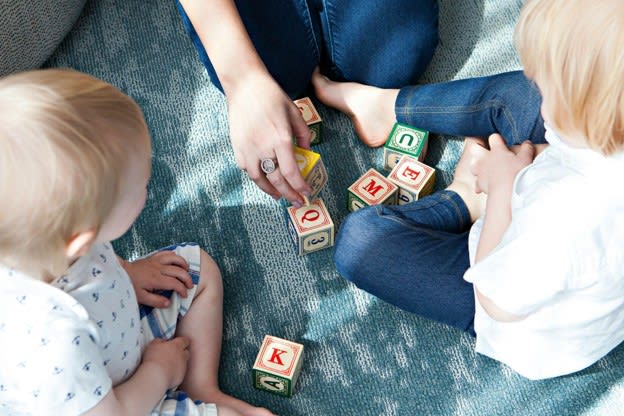
Two years are the crucial toddler years when children are becoming increasingly independent and begin to explore and develop habits which can affect their future health and development.
Early learning and nutrition are two key parts of a toddler’s daily routine.
Children are exploring new foods as well as learning new social skills through play. Everyday experiences help children to grow in confidence and to develop as curious and healthy individuals.
Creating a balanced routine for your toddler can be very beneficial for their healthy development. Below are some ways in which you can support your toddler’s development through nutritious meals, play, rest and learning opportunities.
1. Build Consistent Daily Routines
Establishing a predictable routine is beneficial for young children. When meals, play, rest and other activities occur on a regular basis children feel secure in their environment and begin to learn to manage themselves within it.
A balanced daily routine might include:
Breakfast before starting the day
Morning play and learning activities
A nutritious morning snack
Lunch followed by rest or quiet time
Afternoon outdoor play and activities
Dinner and a consistent bedtime routine
Children are individuals and their needs will vary. Some children may require more sleep than others and so their bedtime may need to be brought forward. Family circumstances may also have to be taken into account when establishing a routine.
The key to a good routine is to establish a familiar structure in which a child can develop physically, socially and emotionally.
2. Make Healthy Eating Part of Everyday Life
Nutrition is very important in the toddler years as children are growing rapidly and developing many skills. Offering children a variety of foods from different food groups will help to provide the necessary nutrients for growth and development as well as introduce children to many different tastes and textures.
A balanced toddler diet can include:
Fruits and vegetables
Wholegrain breads and cereals
Dairy foods or suitable alternatives
Protein-rich foods such as eggs, fish, meat, beans and lentils
Healthy fats from foods such as avocado and olive oil
Rather than aim for perfect meals, try to offer a variety of foods throughout the day and week.
It is also important to remember that toddlers can be selective eaters. Some children may require a food to be offered on several occasions before they are willing to try it. Creating a relaxed mealtime environment and avoiding putting pressure on children to eat can help to develop a positive relationship with food.
3. Prepare Simple and Nutritious Snacks
Snacks can form an important part of a toddler’s diet, providing energy and nutrients between meals. As young children have smaller appetites than adults, offering nutritious snacks can help to meet their needs.
A good toddler snack is simple, can be prepared quickly and is appropriate for the age and development of the child.
Some ideas for healthy toddler snacks include:
Soft fruit pieces or mashed banana
Plain yoghurt with soft fruit
Toast fingers with avocado
Cheese and soft vegetable pieces
Mini vegetable muffins
Oat-based pancakes
Hummus with suitable soft vegetable sticks
A few simple, healthy, toddler-safe snacks can make life much easier for busy parents and carers on early mornings and in the afternoon.
When preparing food for toddlers, consider the appropriate texture for their age and the risk of choking on foods such as whole grapes, nuts, popcorn and hard raw vegetables. Always follow current child-feeding safety advice and supervise children when they are eating.
4. Encourage Independence at Mealtimes
Mealtimes can be a great opportunity to encourage children to develop a number of skills including physical, social and emotional development.
Children can be encouraged to try new things and develop their fine motor skills by being given simple tasks to complete such as holding a spoon to eat their food, choosing between two foods and helping to serve food to themselves and others.
Children of toddler age can also be encouraged to help with the preparation of food such as washing fruit and vegetables and mixing together simple ingredients with supervision. Many children are messy eaters when they are learning to feed themselves. This is normal and children can be encouraged to explore food in many different ways. The way that parents and caregivers model healthy eating and create a positive mealtime environment can also have a large impact on a child’s development of healthy eating habits.
5. Choose an Early Learning Environment That Supports Development
Early learning environments help children to develop social, emotional and practical skills in addition to academic learning. Families searching for childcare near me need to look beyond the convenience of a location and ensure the center supports children’s development in all areas.
A quality early learning environment should provide opportunities for children to:
Explore through age-appropriate play
Develop communication and language skills
Build relationships with other children and educators
Practise independence through everyday activities
Develop curiosity through creative and sensory experiences
Enjoy outdoor play and physical activity
Ask about daily routines, meals provided, policies on food, rest times and how educators communicate with families regarding their child’s development. Finding a child care center that fits into your family can be a very positive experience for you and your child.
6. Connect Food With Learning and Play
Food can also be used as a great learning tool for young children. Many simple activities can be used to explore different ingredients, colors, shapes and textures of food.They could identify different fruits, sort vegetables by color, or help wash the food before a meal.
These everyday experiences can support early development in several ways:
Language: Learning the names of foods, colors and textures.
Fine motor skills: Practising simple tasks such as picking up soft fruit pieces.
Sensory development: Exploring different smells, tastes and textures.
Social skills: Sharing food experiences and participating in group activities.
Independence: Developing confidence with simple age-appropriate tasks.
Food-based activities should always be supervised, with ingredients and textures selected to suit the child's age and abilities.
7. Keep Communication Consistent Between Home and Childcare
It is beneficial for a child’s routine to be as consistent as possible between home and early learning environments. Sharing information about a child’s eating habits, preferences, allergies, developmental needs and routine can be done by both parents and educators.
Parents can inform the center of the foods the child enjoys, any dietary requirements and any changes to the child’s eating habits. Educators can inform parents of the child’s meals and snacks as well as how the child interacts in group activities.
Sharing information about a child’s eating habits can help identify any areas of support that may be needed to help children transition into early learning environments.
Supporting Healthy Habits From the Start
The connection between healthy eating and early learning is so important. Both areas help children to develop the skills, confidence and routines that they need as they grow. Providing nutritious food, establishing consistent daily routines, and allowing plenty of opportunities for play and exploration are key ways in which parents and caregivers can support children’s development.
Small everyday experiences in a child’s life can have a lasting positive impact on their health and well-being. Creating positive routines which allow children to learn, explore and grow at their own pace is key.