
The Role of Rail in Visalia
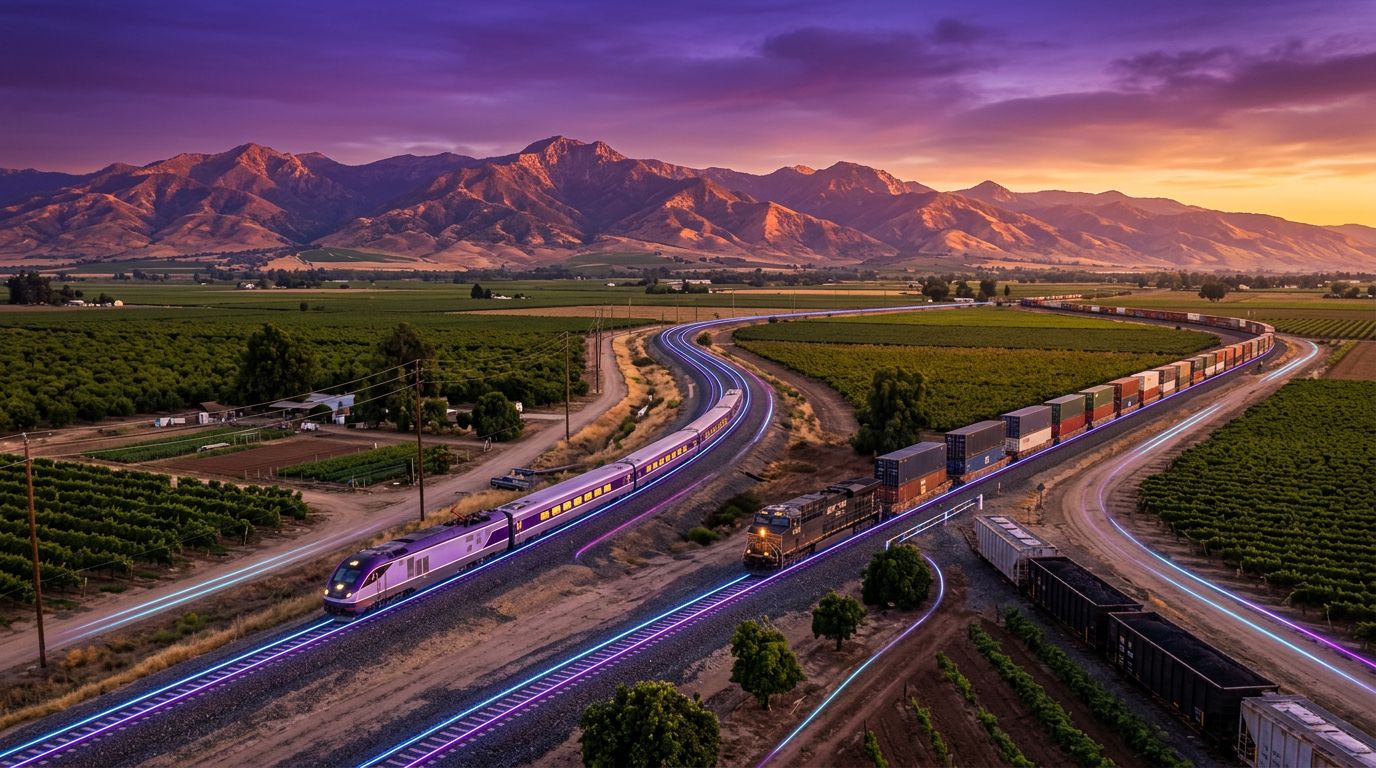
Rail has shaped the development of the San Joaquin Valley since the nineteenth century, when railroads connected valley farms to markets across the country. Visalia itself has a rich rail history, including the former Visalia Electric Railroad, which once carried passengers and freight through the citrus belt. Today, rail remains essential for moving agricultural products, manufactured goods, and passengers throughout the region.
While Visalia does not have its own Amtrak station, residents access passenger rail through nearby Hanford, and freight railroads serve local industries. Here are the top railway operators relevant to Visalia.
1. Amtrak San Joaquins
The Amtrak San Joaquins is one of the busiest intercity passenger rail routes in the United States, running between Bakersfield and Oakland or Sacramento. Visalia residents typically board at the Hanford station, a short drive or bus ride away. The service offers comfortable seating, cafe cars, and connecting Thruway buses to destinations throughout California.
2. San Joaquin Joint Powers Authority
The San Joaquin Joint Powers Authority manages the San Joaquins service, overseeing planning, marketing, and improvements. It has worked to expand frequencies, improve connections, and enhance the passenger experience along the corridor.
3. Amtrak Thruway
Amtrak Thruway buses connect Visalia with San Joaquins trains, allowing passengers to book integrated bus and rail tickets. This service extends rail access to communities without stations and provides convenient connections to Southern California from Bakersfield.
4. BNSF Railway
BNSF Railway operates one of the largest freight rail networks in North America, with a major line running through the San Joaquin Valley. It carries agricultural products, consumer goods, and intermodal containers between California ports and the rest of the country.
5. Union Pacific Railroad
Union Pacific operates a parallel main line through the San Joaquin Valley, serving agricultural shippers, manufacturers, and distribution centers. Its network connects California with markets throughout the western and central United States.
6. San Joaquin Valley Railroad
The San Joaquin Valley Railroad is a short line railroad serving communities in the southern San Joaquin Valley, including parts of Tulare County. Short line railroads play a critical role by connecting local businesses to the national rail network, moving commodities such as grain, fertilizer, and food products.
7. California High-Speed Rail Authority
The California High-Speed Rail Authority is building the nation's first true high-speed rail system, with initial construction in the Central Valley. Plans include a Kings and Tulare Regional station near Hanford, which would significantly improve Visalia's connections to other California cities once service begins.
8. Genesee and Wyoming
Genesee and Wyoming owns and operates numerous short line and regional railroads across North America, including the San Joaquin Valley Railroad. Its local operations provide customized rail service to agricultural and industrial customers.
9. Intermodal Operators
Intermodal operators coordinate the movement of shipping containers between trucks and trains. For Visalia businesses, intermodal service offers a cost-effective and lower-emission way to move goods over long distances, particularly to and from Southern California ports.
10. Heritage and Tourist Railways
California is home to several heritage railways that preserve the state's rail history. While not in Visalia itself, railfans in the region enjoy excursions and museums throughout California that showcase historic locomotives and rail travel experiences.
Benefits of Rail Travel
Passenger rail offers a relaxing alternative to driving on busy Highway 99. Travelers can work, read, or enjoy views of the valley's farmland along the way. Rail is also more environmentally friendly than driving, producing fewer emissions per passenger. For freight, rail reduces truck traffic and lowers transportation costs for bulk commodities.
The Future of Rail in the Central Valley
The coming years could transform rail in the region. High-speed rail construction continues, with plans for initial service in the Central Valley. The San Joaquins service is expanding connections to Sacramento and the Altamont Corridor Express. Freight railroads are investing in cleaner locomotives and improved infrastructure. These developments could reshape how Visalia residents travel and how local businesses ship goods.
Tips for Rail Travelers
Book San Joaquins tickets in advance for the best fares, especially during holidays. Allow time to reach the Hanford station, and consider using regional buses to avoid parking costs. Check connecting Thruway bus schedules carefully when planning multi-leg trips.
Getting From Visalia to the Train
Because Visalia does not have its own passenger rail station, planning the first leg of a rail journey is important. The Hanford station is roughly a twenty to thirty minute drive west of Visalia, and it offers parking for travelers who prefer to drive. Riders without a car can use Amtrak Thruway connections or regional buses operated by Kings Area Rural Transit and Tulare County transit services. Rideshare services are another convenient option for early morning departures. Travelers should allow extra time during tule fog season in winter, when visibility on valley roads can be very low. Once aboard the San Joaquins, passengers can enjoy spacious seats, onboard cafe service, and power outlets, making the journey to Sacramento or the Bay Area a relaxing alternative to driving.
Conclusion
Rail remains a vital part of Visalia's transportation future. From Amtrak San Joaquins passenger service to BNSF, Union Pacific, and short line freight operators, rail connects the region to California and beyond. With high-speed rail on the horizon, Visalia's rail connections are poised to grow. Schedules and project timelines evolve, so always check current information before traveling.