
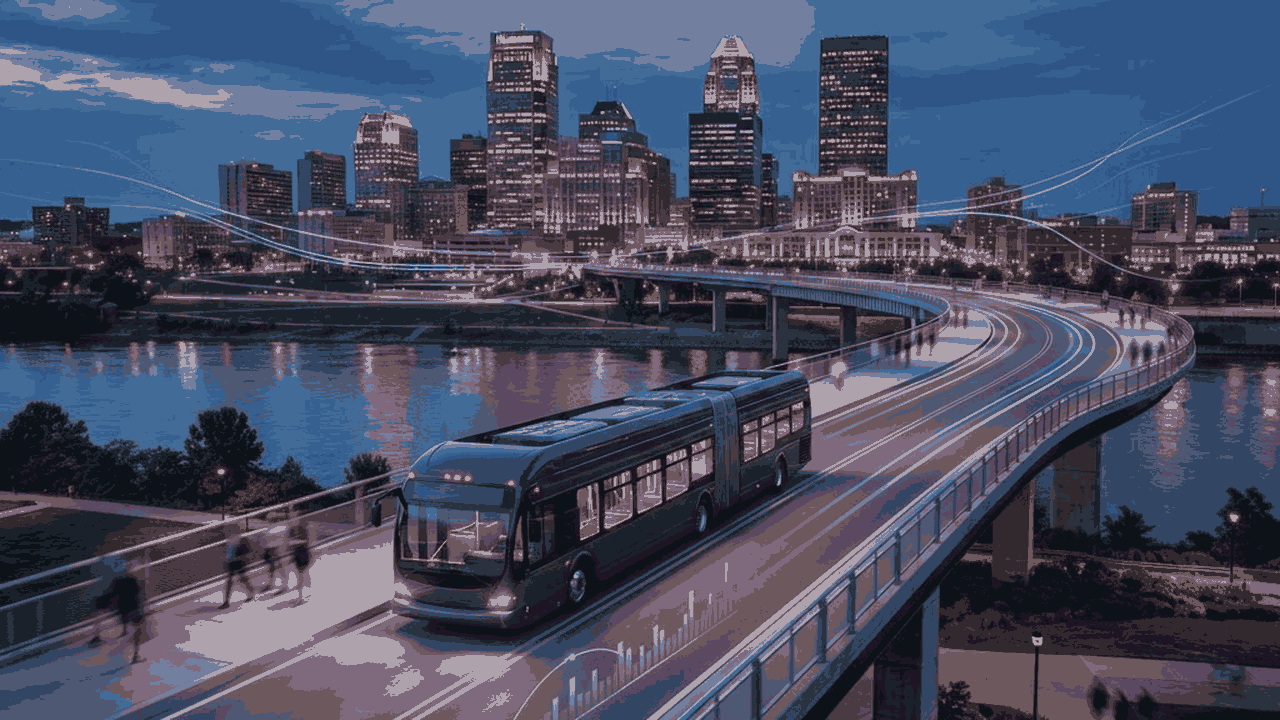
Why Public Transit Matters in Louisville
Public transit is the quiet engine that keeps Louisville moving. In a city defined by its riverside neighborhoods, sprawling suburbs, and a growing downtown core, dependable transportation connects residents to jobs, schools, healthcare, and cultural life. For thousands of Louisvillians who rely on transit every day, the quality of these services directly influences opportunity and quality of life. As the metro area continues to expand, the demand for efficient, accessible, and affordable transportation has never been greater.
Beyond convenience, transit plays a central role in reducing traffic congestion and improving air quality along corridors like Broadway, Bardstown Road, and Dixie Highway. A strong network encourages people to leave cars at home, easing pressure on roads and parking while lowering the environmental footprint of a bustling metropolitan region.
The Backbone of the Network
The Transit Authority of River City (TARC) remains the foundation of public transportation in Louisville. Operating an extensive network of fixed routes across Jefferson County and into Southern Indiana, TARC serves neighborhoods, business districts, and the University of Louisville with buses that run from early morning into the late evening. Its coverage makes it the default choice for commuters, students, and visitors alike, and ongoing route redesigns aim to make service more direct and frequent.
Complementing traditional buses, TARC has invested in cleaner vehicles and technology upgrades. Real-time tracking, contactless fare options, and improved shelters reflect a broader commitment to modernizing the rider experience and making transit competitive with driving.
On-Demand and Microtransit Options
As travel patterns shift, on-demand microtransit has become an important part of Louisville's mobility landscape. Services such as TARC On Demand fill gaps in areas where fixed routes are less practical, allowing riders to request rides within designated zones through a smartphone app. This flexible model is especially valuable for first-mile and last-mile trips, connecting people to major bus lines and employment centers that were previously difficult to reach.
Paratransit services like TARC3 also deserve recognition for their dedication to accessibility. Designed for residents with disabilities who cannot use standard fixed-route buses, these door-to-door services ensure that mobility remains inclusive across the community.
Regional and Commuter Connections
Louisville's transit ecosystem extends beyond city limits. Regional coordination with Southern Indiana communities such as Jeffersonville and New Albany allows commuters to cross the Ohio River seamlessly, tying the broader Kentuckiana region together. Park-and-ride facilities and express routes help suburban residents reach downtown quickly, reducing the stress of daily driving.
Shuttle programs operated by universities, hospitals, and major employers add another layer to the network. These specialized services move students and staff efficiently within campuses and medical districts, easing parking demand and supporting the region's largest institutions.
Trends Shaping the Future
The future of transit in Louisville is being shaped by sustainability and technology. Electric and hybrid buses are gradually replacing older diesel fleets, aligning transit with the city's climate goals. Meanwhile, data-driven planning helps agencies identify high-demand corridors and adjust schedules to match real-world ridership patterns.
Rider-focused features continue to expand as well. Mobile ticketing, integrated trip planning, and improved accessibility at stops make the system easier to navigate for everyone. These innovations signal a transit network that is evolving to meet the expectations of a modern city.
Choosing the Right Service for You
Selecting the best transit option in Louisville depends on your needs. Daily commuters may prioritize frequent fixed routes and express service, while occasional riders might value the flexibility of on-demand microtransit. Residents who require accessible transportation will benefit from dedicated paratransit programs, and suburban workers can lean on park-and-ride connections.
Ultimately, Louisville's public transit services reflect a city investing in movement, access, and opportunity. Whether you are heading to work downtown, attending classes, or exploring the city's vibrant neighborhoods, the region's transit options provide reliable ways to get where you need to go while supporting a more connected and sustainable community.