
Indonesia's Evolving Public Transport Landscape
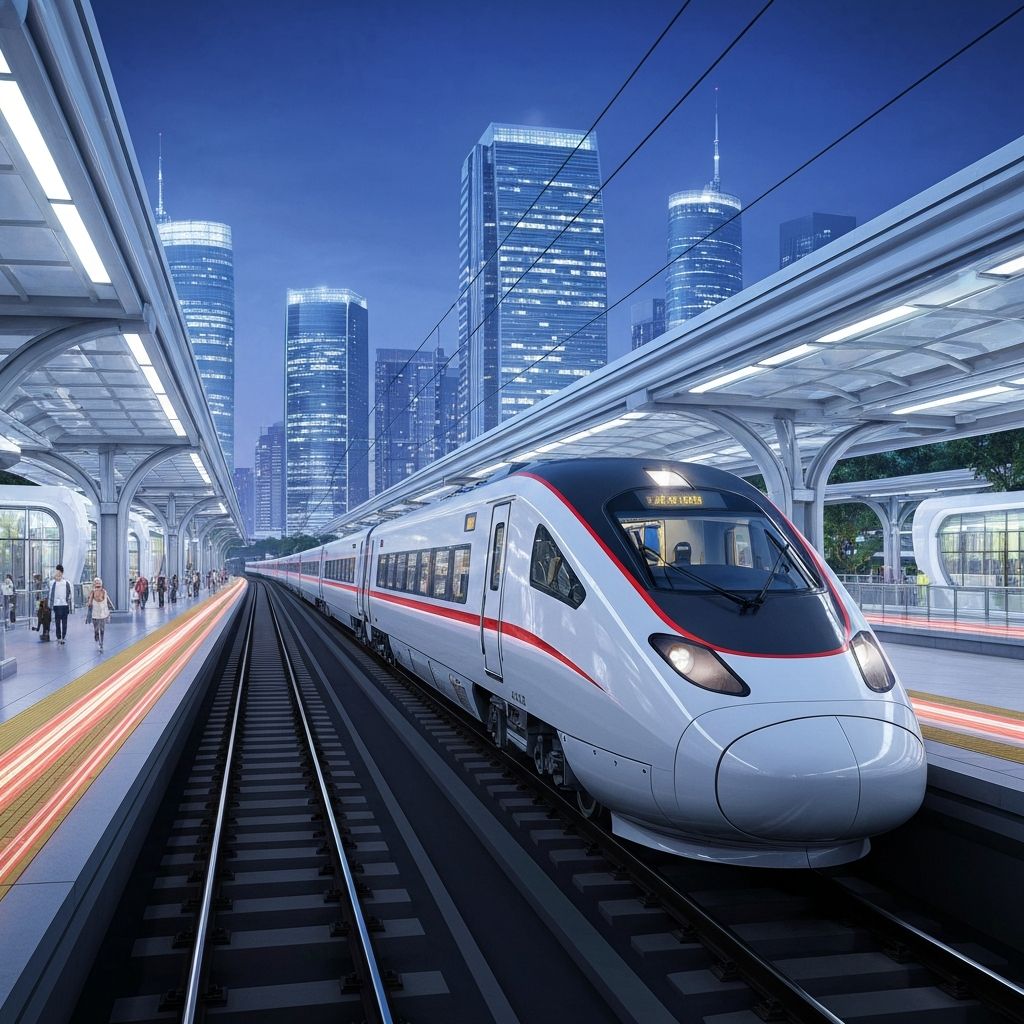
Public transit in Indonesia has undergone a remarkable transformation over the past decade. Once dominated by informal minibuses and aging buses, the country now boasts modern rapid transit, integrated commuter rail, and digitally enabled ride networks. Massive investments in infrastructure, particularly in Jakarta and other major cities, have improved mobility, reduced congestion, and enhanced the daily commute for millions of Indonesians.
TransJakarta
TransJakarta is the largest bus rapid transit system in the world by route length, serving Indonesia's capital with dedicated lanes, modern fleet, and integrated ticketing. The service connects nearly every corner of Jakarta, making it the backbone of the city's public transport network and a model for other Indonesian cities developing their own systems.
MRT Jakarta
MRT Jakarta, the country's first mass rapid transit system, has transformed urban mobility in the capital. With sleek air-conditioned trains, punctual schedules, and modern stations, it offers a fast and comfortable alternative to navigating Jakarta's notorious traffic. Ongoing expansion plans aim to extend its reach across more districts in the years ahead.
LRT Jakarta and LRT Jabodebek
The light rail transit systems serving Jakarta and surrounding regions provide efficient connectivity between satellite cities and the capital. LRT Jabodebek, in particular, links the bustling areas of Bekasi and Depok with central Jakarta, reducing commute times and easing congestion on major highways.
KRL Commuter Line
The KRL Commuter Line, operated by Kereta Commuter Indonesia, is a vital electric rail service serving the greater Jakarta region. With millions of passengers daily, it offers an affordable and relatively fast option for commuters traveling between Jakarta, Bogor, Depok, Tangerang, and Bekasi. Recent modernization efforts have improved frequency, comfort, and reliability.
KAI Indonesia
PT Kereta Api Indonesia (KAI) operates the country's intercity rail network, connecting major cities across Java and Sumatra. From executive-class long-distance trains to economy services, KAI offers diverse options for tourists, business travelers, and locals. Modern stations, online booking, and improved punctuality have elevated the rail experience nationwide.
Damri
Damri is a state-owned bus operator that plays a crucial role in connecting cities, airports, and remote regions. Its airport bus services from major terminals are widely used by travelers, while intercity routes link smaller towns where rail service is unavailable. Damri continues to modernize its fleet and improve service standards.
TransJogja
TransJogja serves the cultural city of Yogyakarta with a network of modern buses and dedicated stops. It provides locals and tourists with a convenient way to explore the city's heritage sites, universities, and shopping districts. The service represents a successful model for medium-sized Indonesian cities adopting bus-based transit systems.
Trans Semarang
Trans Semarang offers affordable bus rapid transit service in the bustling city of Semarang. With multiple corridors covering key destinations, it has improved commuting for students, workers, and visitors. The system continues to expand, with new routes and modernized vehicles enhancing the city's overall transport ecosystem.
Suroboyo Bus
Suroboyo Bus, operating in Surabaya, has gained attention for its innovative approach of accepting plastic bottles as payment, promoting environmental awareness. The clean, modern buses provide comfortable rides across the city and have become a celebrated example of sustainable urban transport in Indonesia.
Gojek and Grab Transport Services
While not traditional public transit, ride-hailing services from Gojek and Grab have become integral to daily commuting in Indonesia. With motorcycle taxis, car rides, and shared options, they fill gaps in formal transit networks and offer affordable, on-demand mobility, particularly valuable in areas with limited bus or rail access.
The Future of Indonesian Public Transit
Indonesia's public transit sector is on a steady upward trajectory, supported by government investment, smart city initiatives, and integration between operators. Unified payment systems, expanded networks, and electric vehicle adoption point toward a more sustainable and connected future, where reliable public transport becomes a cornerstone of Indonesian urban life.