
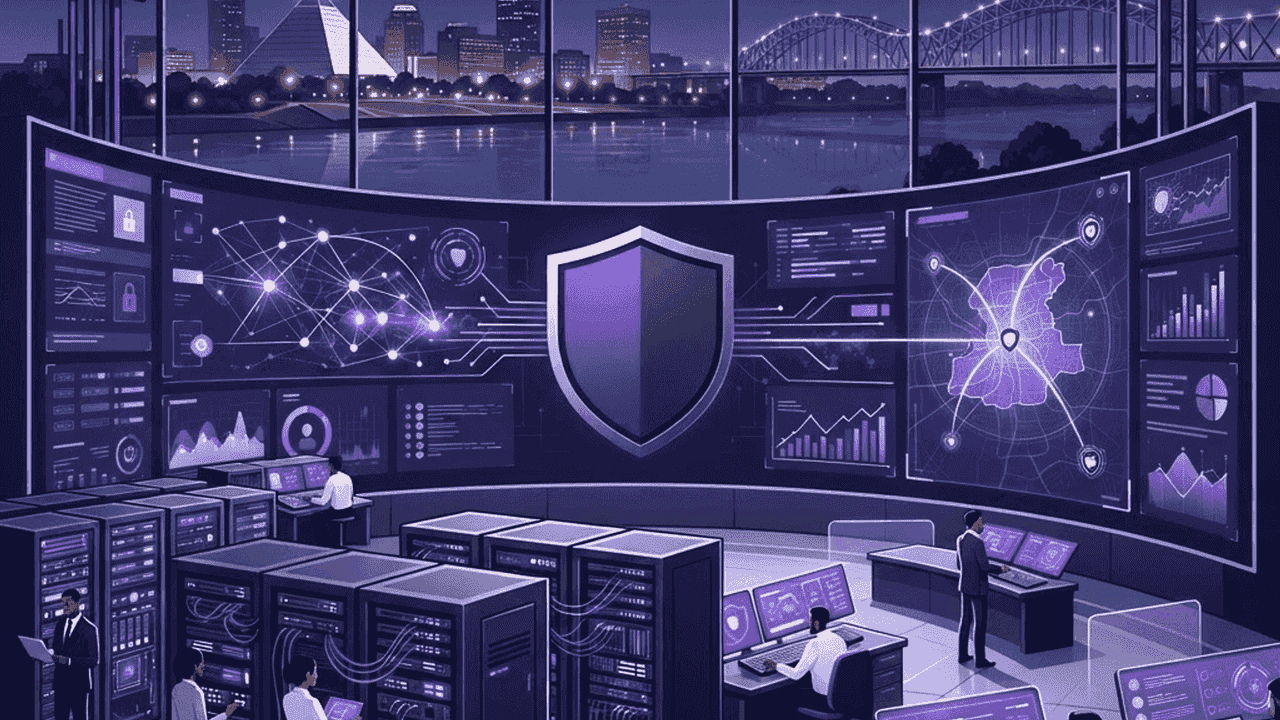
The Role of IT Services in Memphis
Technology underpins nearly every aspect of modern business, and reliable IT services are essential for organizations to operate smoothly and securely. In Memphis, businesses across healthcare, logistics, finance, and professional services depend on skilled IT partners to manage their technology infrastructure. The best IT services companies in Memphis provide the expertise, support, and security needed to keep operations running and protect against evolving threats.
IT services companies help organizations of all sizes navigate complex technology challenges without maintaining large in-house teams. From day-to-day support to strategic planning, these firms enable businesses to focus on their core missions while ensuring their technology remains dependable, efficient, and secure.
Comprehensive IT Services Offered
Top IT services companies in Memphis deliver a wide range of offerings. Managed IT services form the foundation, providing ongoing monitoring, maintenance, and support that keep systems running reliably. Help desk and technical support ensure employees receive prompt assistance when issues arise.
Cybersecurity has become a critical service, with companies offering threat detection, network protection, security assessments, and compliance support. Other common services include cloud migration and management, data backup and disaster recovery, network design, and IT consulting. Many firms also provide strategic technology planning, helping businesses align their IT investments with long-term goals.
What Distinguishes Memphis IT Providers
The strongest IT services companies combine technical expertise with a proactive, client-focused approach. Rather than simply reacting to problems, they monitor systems continuously and address issues before they cause disruptions. This proactive posture minimizes downtime and keeps businesses productive.
Security expertise is increasingly a defining strength. As cyber threats grow more sophisticated, the best providers stay current with emerging risks and implement robust defenses. Responsiveness and reliability also matter greatly; leading firms offer prompt support and clear communication, giving clients confidence that help is always available when needed.
IT Trends Shaping 2026
The IT services landscape continues to evolve. Cloud adoption remains a dominant trend, with businesses migrating systems and data to flexible, scalable cloud environments. IT providers are helping clients manage hybrid and multi-cloud setups effectively. Cybersecurity continues to grow in importance, driven by rising threats and stricter compliance requirements.
Artificial intelligence and automation are enhancing IT operations, enabling faster issue resolution and predictive maintenance. Remote and hybrid work has also increased demand for secure, reliable access to systems from anywhere. Additionally, businesses are placing greater emphasis on data protection, backup, and disaster recovery to ensure resilience against disruptions.
How to Compare the Top Ten Contenders
A useful top-ten shortlist should be treated as a starting point rather than a universal ranking. Every Memphis organization has a different budget, level of internal expertise, timeline, and appetite for change. Buyers should compare each IT services company against a written scorecard that reflects the work they actually need. Important capabilities to examine include managed support, cybersecurity, cloud administration, networking, backup, compliance, and strategic planning. A provider that performs exceptionally in one area may not be the right choice for a broader engagement, so relevance matters more than name recognition alone.
During introductory conversations, ask each contender to explain how it moves from discovery to execution and improvement. Request examples that resemble your industry, customer journey, and organizational scale, while remembering that confidential client work may limit what can be shared. Strong providers describe both successful outcomes and lessons from difficult projects. They can explain who will do the daily work, how senior specialists remain involved, which responsibilities stay with the client, and how decisions are documented. This practical detail is often more revealing than a highly polished presentation.
Budget, Measurement, and Long-Term Fit
Price should be evaluated alongside scope, expertise, and expected value. The least expensive proposal can become costly if it omits strategy, senior oversight, analytics, or ongoing optimization. Ask for a transparent statement of work that identifies deliverables, assumptions, revision limits, third-party costs, ownership rights, and the process for changing scope. Memphis businesses should also determine whether an agency offers a fixed project, monthly retainer, performance arrangement, or blended model, then select the structure that best matches the desired relationship.
Agree on a concise measurement plan before work begins. Depending on the engagement, meaningful indicators may include uptime, ticket resolution, security posture, recovery readiness, employee productivity, and budget predictability. Baseline these measures early, review them on a consistent schedule, and connect reporting to business decisions instead of collecting data for its own sake. Finally, consider chemistry and communication. The strongest partnership usually comes from a team that listens carefully, communicates candidly, understands Memphis without relying on stereotypes, and can evolve as the organization grows.
Choosing the Right IT Partner
Businesses evaluating IT services companies in Memphis should assess technical capabilities, security expertise, and responsiveness. Ask about service level agreements, support availability, and experience with your industry. A strong partner will take a proactive approach, communicate clearly, and align technology strategy with your business objectives.
The best IT services companies in Memphis act as trusted technology partners, keeping businesses secure, connected, and efficient. With the right provider, organizations can rely on dependable infrastructure, robust security, and expert guidance that supports growth and resilience.