
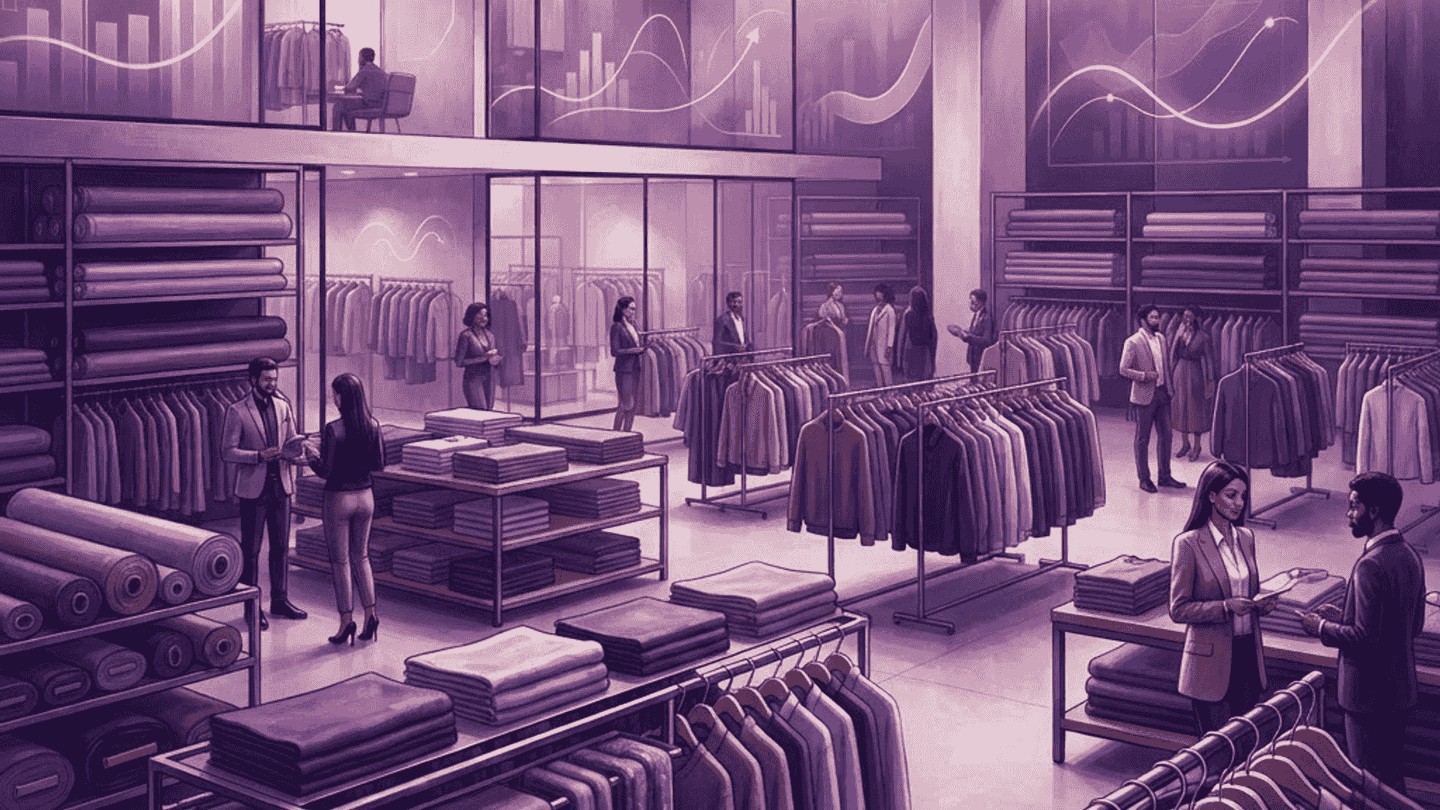
The Apparel Wholesale Market in Tucson
Tucson's clothing wholesale sector reflects the city's distinctive retail personality. Southwestern and Western wear remain genuinely commercial rather than novelty categories, the university population drives steady demand for casualwear and licensed apparel, and a large hospitality and healthcare workforce keeps uniform programs busy year-round. Layered on top is a thriving custom decoration industry, with screen printers and embroiderers consuming enormous quantities of blank garments.
Climate shapes assortments as much as culture. With triple-digit summers and mild winters, lightweight woven shirts, moisture-wicking performance fabrics, sun-protective long sleeves, and breathable cotton blends outsell heavy outerwear by wide margins. Wholesalers that understand this seasonality carry inventory tuned to a nine-month warm season rather than a conventional four-season calendar.
What Makes a Strong Clothing Wholesaler
Minimum order requirements are the first practical consideration. Small boutiques need mixed-size packs and low minimums, while uniform programs and print shops prioritize case pricing and consistent restocking. The best wholesalers accommodate both by offering tiered pricing without forcing tiny retailers into unsellable quantities.
Consistency of quality is equally decisive. Dye lot variation, shifting fit specifications, and inconsistent fabric weights create returns and reputational damage. Ask whether a wholesaler maintains fixed specifications across restocks and how it handles defective lots. Also examine sampling policy, since being able to buy single units before committing prevents costly assortment mistakes. Finally, evaluate logistics: local pickup, reliable inbound schedules, and accurate stock reporting matter far more than headline unit price.
The Ten Best Clothing Wholesalers in Tucson
1. Sonoran Apparel Wholesale
Sonoran Apparel Wholesale operates as a broad-line supplier of tees, fleece, woven shirts, and activewear blanks aimed at decorators and small retailers. Its inventory strategy emphasizes depth in core colors and sizes rather than breadth in trend items, which keeps reorder fill rates high. Print shops appreciate consistent garment specs across restocks, since a stable blank protects reproducible print results.
2. Old Pueblo Western Outfitters Supply
Old Pueblo Western Outfitters Supply serves Western wear retailers, rodeo vendors, and tourism-oriented shops with snap shirts, denim, hats, belts, and boots. The company understands the difference between authentic working ranch apparel and fashion-oriented Western styling, and it merchandises both without confusing the two. Seasonal buying around rodeo and fair calendars is a core competency.
3. Catalina Boutique Distributors
Catalina Boutique Distributors focuses on women's contemporary fashion in small packs designed for independent boutiques. Low minimums, frequent new arrivals, and curated color stories let small retailers refresh floor sets without overexposure to any single style. The showroom-style buying experience helps owners visualize complete outfits rather than isolated units.
4. Desert Uniform Wholesale Company
Desert Uniform Wholesale Company supplies scrubs, chef coats, hospitality attire, and industrial workwear to healthcare facilities, restaurants, and service contractors. Its strengths are program management and long-term style continuity, so an employer can reorder the same garment for years as staff turn over. Size range breadth, including tall and extended sizes, reduces fit exceptions that plague uniform rollouts.
5. Rincon Activewear Supply
Rincon Activewear Supply concentrates on performance fabrics, including moisture-wicking polyester, sun-protective long sleeve styles, and lightweight athletic shorts suited to Arizona heat. Youth sports leagues, gyms, and outdoor outfitters form its core customer base. The company keeps team-oriented color palettes in stock so league orders can be filled without special dyeing.
6. Saguaro Kids & Family Apparel
Saguaro Kids & Family Apparel wholesales children's basics, sleepwear, and school-appropriate clothing to retailers and community programs. Durability and washability drive its selection criteria, since children's garments face demanding laundering cycles. Coordinated sibling sizing and value multipacks perform particularly well with family-oriented retailers.
7. Copper Canyon Vintage Wholesale
Copper Canyon Vintage Wholesale sources and grades secondhand and vintage clothing by the bale and by curated bundle, supplying resale shops and online sellers. Grading transparency is central to its model, with clear condition tiers and category sorting that let buyers price confidently. Growing consumer appetite for secondhand fashion has expanded this channel considerably.
8. Pima Accessories & Textiles
Pima Accessories & Textiles rounds out apparel assortments with scarves, bags, socks, hats, and lightweight woven textiles including Southwestern-patterned goods. Because accessories carry strong margins and low size complexity, they help small retailers improve profitability without inventory risk. The company also supplies gift shops and hotel retail spaces.
9. Santa Cruz Screenprint Blanks
Santa Cruz Screenprint Blanks exists specifically to serve decorators, stocking ring-spun tees, heavyweight hoodies, poly-cotton blends, and tri-blends across a wide color spectrum. Fast local fulfillment lets print shops accept rush jobs that would be impossible with multi-day shipping. Staff familiarity with dye migration, garment shrinkage, and print-friendly fabric behavior makes the counter genuinely useful.
10. Gila Trading Fashion Imports
Gila Trading Fashion Imports operates as an import wholesaler bringing in seasonal fashion assortments at aggressive price points for value retailers and market vendors. Its buyers work on short cycles, moving quickly on trend items and clearing through markdown rather than holding aged stock. Retailers who thrive on frequent assortment turnover find the model well matched to their floor economics.
Trends Influencing Apparel Wholesale
Sustainability now affects purchasing decisions at the wholesale level. Organic cotton, recycled polyester, and lower-impact dye processes appear more frequently in catalogs, and retailers increasingly ask for documentation they can share with customers. Secondhand and resale distribution has moved from the fringe into mainstream retail strategy.
Order flexibility is the other major shift. Retailers burned by excess inventory prefer smaller, more frequent purchases, which pushes wholesalers to hold deeper local stock and shorten replenishment cycles. Nearshoring has helped, with more product sourced from regional manufacturing rather than distant supply chains, cutting lead times and inventory risk simultaneously.
Buying Smart in the Tucson Market
Begin with a clear picture of your customer and your turn rate. Boutiques should prioritize wholesalers offering small packs and frequent newness, while decorators should prioritize spec consistency and local stock depth. Uniform buyers should insist on long-term style availability and broad size ranges before signing on.
Always sample before scaling, wash-test garments that will see heavy laundering, and confirm restock policies in writing. Negotiate shipping and payment terms once you have demonstrated reliable ordering volume, and track fill rates by supplier so decisions rest on data rather than impressions. Tucson's wholesale base rewards buyers who build durable relationships, and the resulting access to early allocations and preferential terms compounds over time.