
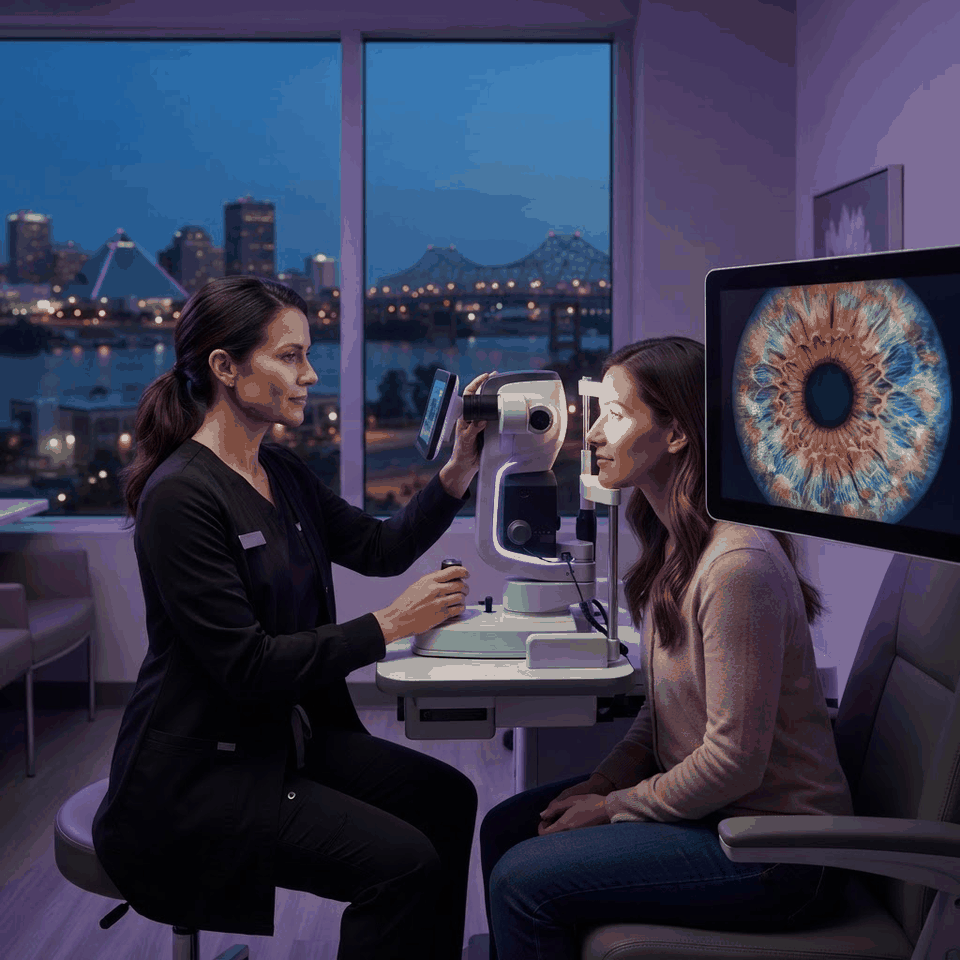
Prioritizing Eye Health in Memphis
Vision is one of our most precious senses, and caring for our eyes is essential to overall health and quality of life. In Memphis, residents have access to a range of eye care centers offering comprehensive services, from routine eye exams to advanced treatments for complex conditions. Choosing the right provider ensures your vision is protected and any issues are addressed promptly.
The best eye care centers in Memphis combine skilled professionals, modern technology, and personalized attention. Understanding what distinguishes top providers helps you make an informed choice for yourself and your family.
What Defines a Great Eye Care Center
Outstanding eye care centers share several important qualities. Experienced optometrists and ophthalmologists provide accurate diagnoses and effective treatment. Comprehensive services allow patients to address a wide range of needs, from vision correction to disease management. Advanced diagnostic equipment ensures thorough, precise evaluations.
A welcoming, professional environment and attentive staff enhance the patient experience. Clear communication about eye health and treatment options empowers patients to make informed decisions about their care.
Comprehensive Eye Examinations
Routine eye exams are the foundation of good vision care. Leading Memphis centers offer thorough examinations that assess visual acuity, eye health, and the presence of conditions such as glaucoma, cataracts, and macular degeneration. Early detection is crucial, as many eye conditions can be managed more effectively when caught early.
Regular exams also ensure that prescriptions for glasses and contact lenses remain accurate, keeping your vision sharp and comfortable. These visits are essential for maintaining long-term eye health.
Vision Correction Options
Eye care centers in Memphis provide a variety of vision correction solutions. Prescription eyeglasses and contact lenses remain popular choices, with many centers offering a wide selection of frames and lens options to suit different needs and styles. Skilled professionals help patients find the best fit for their lifestyle and preferences.
Some centers also offer advanced vision correction procedures for those seeking alternatives to glasses and contacts. These options give patients greater flexibility in managing their vision.
Treatment of Eye Conditions
Beyond routine care, top eye care centers provide treatment for a range of eye conditions and diseases. This includes management of chronic conditions such as dry eye, glaucoma, and diabetic eye disease. Timely, expert care helps preserve vision and prevent complications.
For more serious conditions, many centers offer specialized services and surgical options. Access to comprehensive care ensures patients receive appropriate treatment for their specific needs.
Care for the Whole Family
Many eye care centers in Memphis serve patients of all ages, making it convenient for families to receive care in one location. Pediatric eye care is especially important, as early detection of vision problems supports healthy development and academic success. Regular exams for children help identify issues that might otherwise go unnoticed.
Comprehensive family care ensures that everyone, from young children to older adults, receives the attention their eyes deserve.
Technology and Advanced Care
Modern eye care relies heavily on advanced technology. Sophisticated diagnostic equipment enables detailed examination of the eye's structures, allowing for early detection and precise treatment. Digital tools improve the accuracy of prescriptions and enhance the overall patient experience.
Leading Memphis centers invest in these technologies to provide the highest standard of care, benefiting patients with better outcomes and greater convenience.
Optometrist or Ophthalmologist: Knowing the Difference
Optometrists commonly provide comprehensive exams, prescribe glasses and contact lenses, and diagnose or manage many eye conditions. Ophthalmologists are medical doctors with training in eye surgery and complex disease. Some centers include both, which can simplify referrals and continuity. The right starting point depends on your needs: routine vision care often begins with an optometrist, while known surgical or advanced medical concerns may require an ophthalmologist.
Ask whether the center routinely treats your condition and how urgent problems are handled after hours. People with diabetes, a strong family history of eye disease, prior eye surgery, or certain medication exposures may need examinations more frequently than the general population. The provider should recommend an interval based on individual risk rather than a generic schedule.
Protecting Vision Between Appointments
Everyday habits complement professional care. Wear sunglasses that block ultraviolet radiation, use appropriate protective eyewear for work and sports, and follow contact lens hygiene carefully. Never sleep, swim, or shower in lenses unless the product and eye professional specifically allow it. Replace lenses and cases on schedule, wash and dry hands before handling them, and never use tap water as lens solution.
For screen comfort, take regular distance breaks, blink fully, reduce glare, and position the display at a comfortable height. These measures can ease strain but do not correct underlying disease. Sudden vision loss, a curtain-like shadow, new flashes with many floaters, severe eye pain, or chemical exposure requires urgent assessment. Acting quickly can be essential to preserving sight.
Choosing the Right Eye Care Center
When selecting an eye care center, consider the qualifications of the providers, the range of services offered, and the technology available. Convenience factors such as location, hours, and appointment availability are also important. Reading reviews and seeking recommendations can help you find a trusted provider.
Memphis offers many excellent eye care centers committed to protecting and enhancing vision. By understanding what defines quality eye care, you can choose a provider that helps you maintain healthy eyes and clear vision for years to come.