
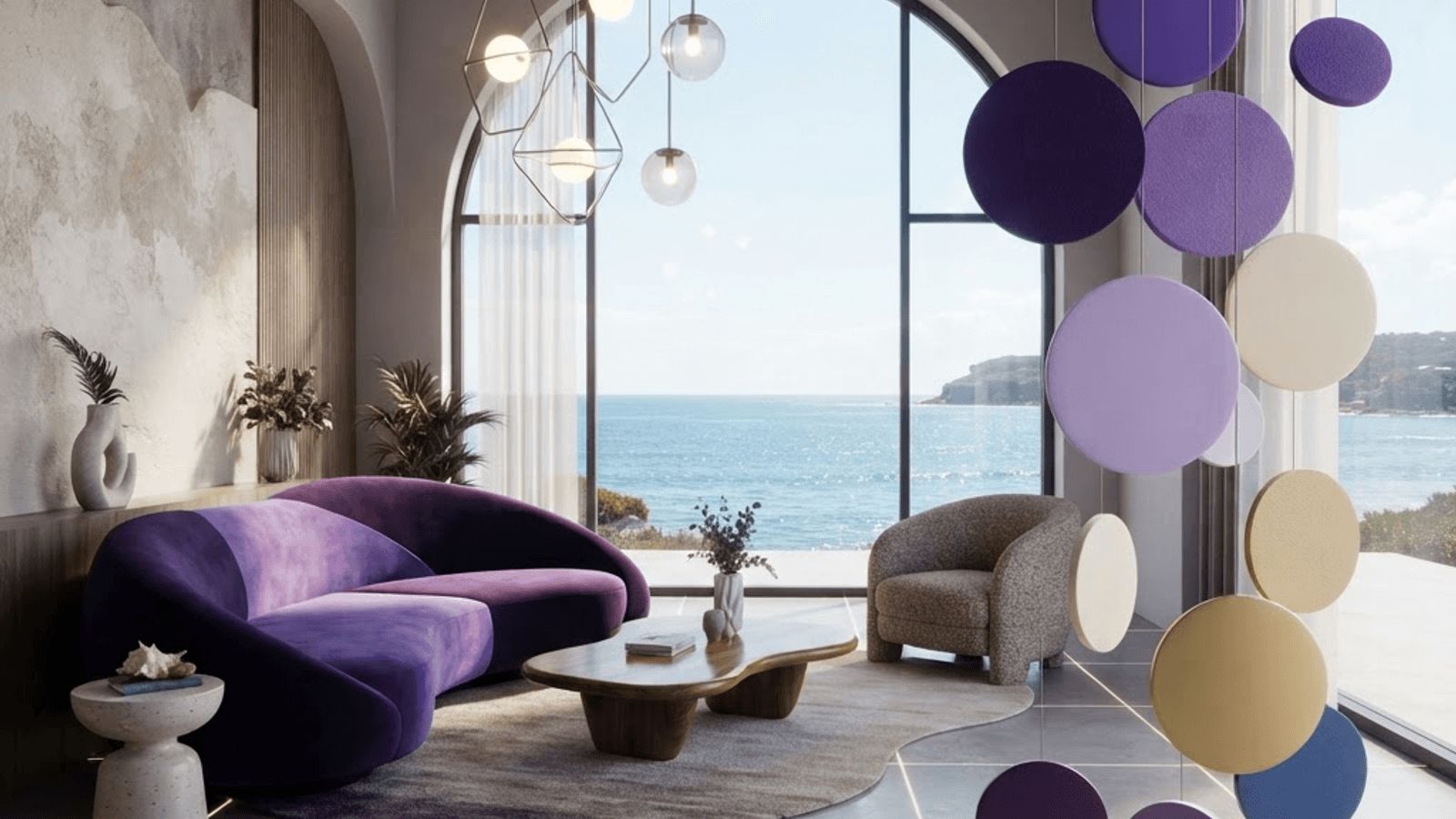
Design Culture in a Coastal City
Interior design in Oceanside is shaped by three constants: abundant natural light, proximity to salt air, and a lifestyle that blurs indoor and outdoor living. The best local firms respond to these conditions rather than importing styles unchanged from elsewhere. That means material selections that tolerate humidity and ultraviolet exposure, layouts that prioritize sightlines and cross-ventilation, and palettes that work with bright coastal light rather than against it.
The market spans full-service residential design, remodel-focused practices, commercial and hospitality specialists, and consultation-only services for homeowners managing their own projects.
Understanding Service Models
Full-service design covers concept, space planning, material and finish selection, furniture specification, procurement, and installation management. This model suits substantial renovations and new construction where coordination across trades is complex.
Design consultation offers hourly guidance without procurement, which works well for homeowners with time and confidence to execute themselves. Design-build firms combine design and construction under one contract, simplifying accountability but reducing the independent oversight a separate designer provides.
Fee structures vary between flat project fees, hourly rates, percentage of project cost, and cost-plus procurement markups. None is inherently superior, but the structure should be disclosed clearly in writing before work begins.
The Top 10 Interior Design Firms in Oceanside
1. Coastline Interior Studio is a full-service residential practice known for restrained coastal interiors that avoid cliche, with rigorous attention to material durability in seaside conditions.
2. Harborview Design Group handles large-scale renovations, bringing strong technical documentation and construction administration that keeps contractors aligned with the design intent.
3. Pacific Modern Interiors specializes in contemporary and mid-century influenced work, with a portfolio distinguished by careful millwork detailing and integrated lighting design.
4. Meridian Hospitality Design focuses on restaurants, boutique hotels, and commercial spaces, balancing brand expression with operational practicality and code compliance.
5. Seabreeze Home Studio works primarily with families, producing interiors designed for daily use with performance fabrics, resilient surfaces, and thoughtful storage.
6. Bayside Kitchen and Bath Design concentrates on the two most technically demanding rooms, with expertise in plumbing layout, ventilation, and cabinetry specification.
7. Summit Sustainable Interiors builds projects around low-emission materials, reclaimed wood, and energy-conscious lighting, with transparent sourcing documentation.
8. Lighthouse Small Space Design specializes in condominiums and compact homes, using built-in solutions and multifunctional layouts to maximize usable area.
9. Tidewater Design Consultation offers hourly advisory services including color consultation, furniture layout, and material selection for homeowners running their own projects.
10. Serenity Interiors and Art integrates art curation with interior design, working with regional artists to give projects a distinct sense of place.
How a Project Typically Runs
Most residential projects follow a clear sequence: discovery and budget alignment, concept development with mood boards and preliminary plans, design development with detailed drawings and specifications, procurement, and installation. Timelines vary widely, but furniture lead times remain long for custom pieces and should be planned from the outset.
Budget conversations should happen early and honestly. Experienced designers will tell clients when a scope and budget are mismatched rather than discovering the gap midway through procurement.
Material Choices for the Coastal Environment
Salt air is unforgiving. Untreated ferrous metals corrode, certain natural stones etch, and standard upholstery fades quickly in strong sun. Experienced Oceanside designers specify stainless or powder-coated hardware, solution-dyed acrylic textiles for sun-exposed rooms, quartz or sealed stone in wet areas, and window treatments that manage glare and heat gain.
Flooring choices also matter, with engineered wood and large-format porcelain performing better than solid hardwood in humid, sand-prone environments.
Current Directions in Design
Several themes dominate current work. Warm minimalism has replaced cool grey neutrality, with plaster finishes, oak tones, and layered textiles. Indoor-outdoor continuity is treated as a primary design objective rather than a bonus. Dedicated workspace is now integrated into most residential programs. Lighting design has become more sophisticated, with layered ambient, task, and accent schemes replacing reliance on ceiling fixtures.
There is also increasing interest in longevity, with clients investing in fewer, better pieces rather than complete refreshes every few years.
Choosing the Right Designer
Review portfolios for projects of comparable scope and style. Ask to speak with clients whose projects completed at least a year ago, since durability and service after installation reveal themselves over time. Clarify the contract, including scope, fee structure, procurement terms, and what happens if the project schedule extends.
Most importantly, choose someone who listens. The best interiors reflect how clients actually live, not the designer's signature imposed on another address.
Working Within a Realistic Budget
Budget clarity determines project success more than any other factor. Experienced designers allocate across categories from the outset: construction and installation, cabinetry and millwork, surfaces and finishes, furniture, lighting, window treatments, and a contingency reserve of at least ten to fifteen percent for renovations.
Priorities matter. Investing in permanent elements such as layout, cabinetry, and lighting typically outlasts investment in furniture, which can be upgraded incrementally. Designers who advise clients to stage purchases across phases rather than compromise quality across everything at once generally produce better long-term results.
Lighting: The Most Underrated Element
Lighting transforms interiors more than any other single decision and is routinely underspecified. A complete scheme layers ambient light for general illumination, task lighting at work surfaces and reading positions, and accent lighting for art and architectural features. Dimming control across each layer allows a room to function differently during the day and evening.
Colour temperature consistency matters as well. Mixing warm and cool sources within a sightline makes finishes read unevenly. In Oceanside's bright coastal daylight, controlling glare through window treatments and reflective surface selection is equally important to achieving comfortable, well-balanced rooms.
Final Thoughts
Oceanside's design community offers real depth across residential and commercial work. Prioritize firms that understand coastal material performance, communicate budget honestly, and document their work thoroughly. Those qualities produce interiors that still look and function well years after installation.