
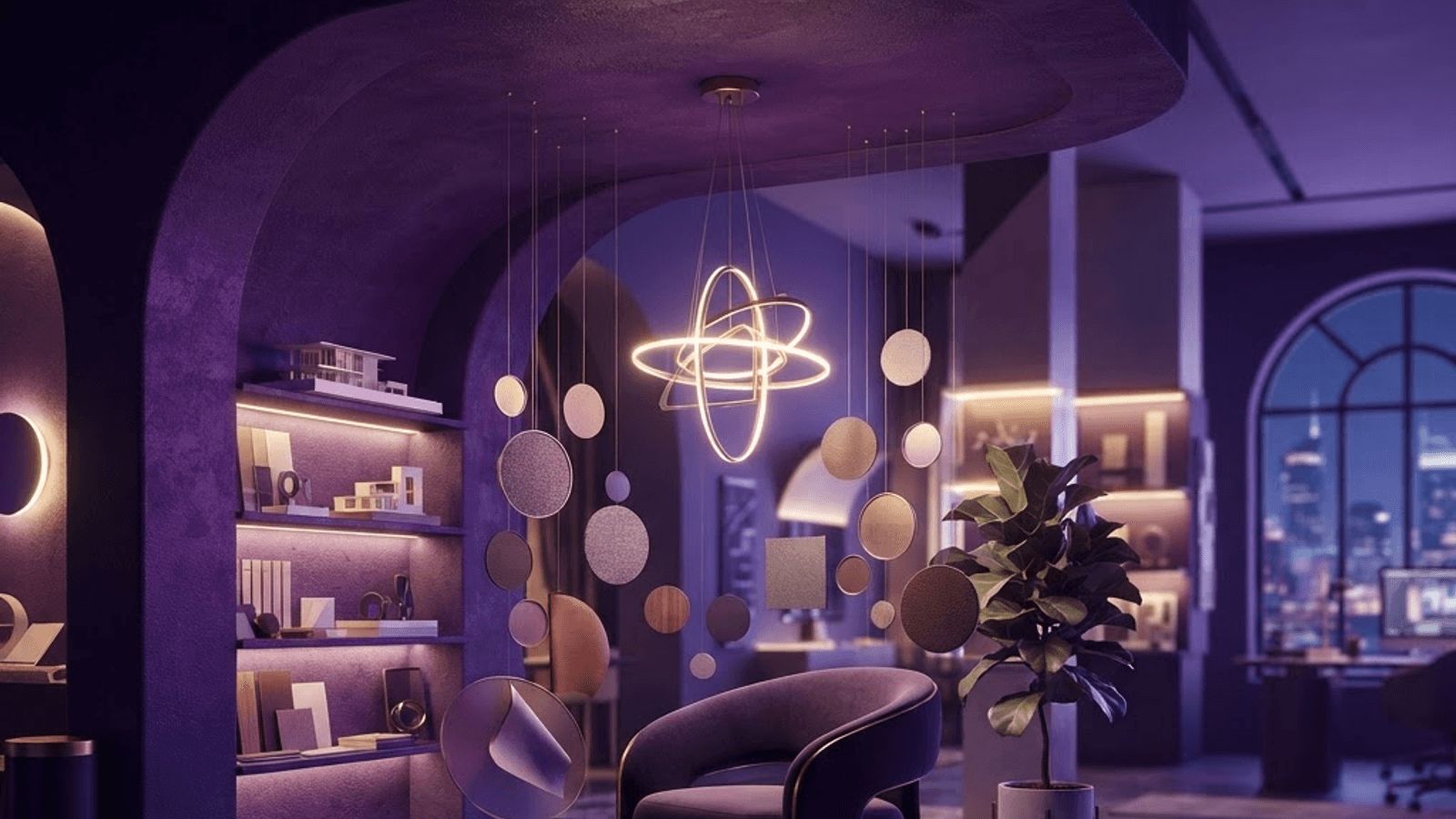
A Regional Design Sensibility
Interior design in Eugene has a recognizable character. Natural materials dominate, particularly regional wood, wool, stone and clay finishes. Palettes tend toward earth tones and muted greens rather than high-contrast drama. Craft matters, with locally made furniture and ceramics appearing regularly in finished projects. And almost every serious project addresses light, because the region's long grey season makes daylight management and layered artificial lighting central rather than decorative concerns.
This is not simply an aesthetic preference. It reflects practical conditions: significant rainfall, moderate temperatures, limited winter daylight and a culture that values durability and environmental performance over disposable trend-following.
The Top 10 Interior Design Firms in Eugene
1. Willamette Interior Design Studio
A full-service residential firm handling whole-home projects from space planning through furnishing and installation. Its work is characterized by warm, restrained palettes and close collaboration with local makers for custom pieces.
2. Cascade Design Collective
A firm working across residential and light commercial projects with a modern Pacific Northwest aesthetic. Strong technical drawing capability makes it a frequent collaborator on renovation projects requiring coordination with architects and contractors.
3. Emerald Valley Interiors
Specialists in kitchen and bathroom design, the two most complex and highest-value rooms in most renovations. Detailed cabinetry planning, appliance specification and material coordination are core strengths.
4. Skinner Butte Design House
Focused on historic home renovation, balancing preservation of original character with contemporary comfort. Projects typically involve careful material matching and thoughtful integration of modern systems into older structures.
5. Riverfront Commercial Interiors
Serving offices, clinics, restaurants and retail spaces, with attention to brand expression, code compliance and operational workflow. Commercial interiors demand different expertise from residential work, particularly around durability and accessibility.
6. Alder Street Studio
A boutique practice known for minimalist, architecturally attuned interiors. Its work suits modern homes and clients who prefer restraint and material quality over layered decoration.
7. Pacific Crest Sustainable Design
A firm specializing in healthy materials and low environmental impact, specifying low-emission finishes, natural fibers, reclaimed materials and durable products. Clients with chemical sensitivities or strong environmental priorities seek it out specifically.
8. McKenzie Home Design
An accessible-tier service offering room-by-room design, e-design packages and consultation-based work. It serves homeowners who want professional direction without a full-service engagement.
9. Valley River Design Group
A generalist practice with strong project management, coordinating contractors, trades and procurement across renovation projects. Clients value the reduction in coordination burden as much as the design output.
10. Oregon Craft Interiors
A studio built around custom furniture and cabinetry, working with regional woodworkers and craftspeople. Suited to clients seeking pieces made specifically for their space rather than sourced from catalogs.
How Interior Design Fees Work
Several fee models exist, and understanding them prevents misaligned expectations. Hourly billing is common for consultation and smaller projects. Flat fees per room or per project provide cost certainty and work well when scope is clearly defined. Percentage-of-project-cost fees are typical on larger renovations, calculated against construction and furnishing budgets. Some firms operate on a cost-plus basis for furnishings, purchasing at trade pricing and adding a markup.
What matters is knowing which model applies, what is included, and how changes are handled. Revisions, additional site visits, procurement management and installation supervision may be included or billed separately. A clear written scope of work prevents the majority of disputes.
What the Design Process Looks Like
A typical residential project moves through recognizable phases. Discovery establishes how you use the space, what you dislike about it, your budget and your timeline. Concept development produces layouts, material directions and preliminary imagery. Design development refines those into specific selections, drawings and specifications. Procurement handles ordering and tracking. Installation completes the project.
Timelines are frequently underestimated. Custom furniture, specialty tile and imported fixtures can carry long lead times, and renovation work depends on contractor availability and permitting. A whole-home project realistically spans many months from first meeting to final installation.
Getting the Most From a Designer
- Share your real budget at the outset; designers work to constraints, not against them.
- Collect images of interiors you dislike as well as ones you like.
- Be honest about how the space is actually used, including pets and children.
- Agree on a decision-making process if more than one person is involved.
- Review the written scope carefully before signing.
- Expect and plan for lead times on custom items.
Trends in Local Interior Design
Lighting design has become significantly more sophisticated, with layered schemes combining ambient, task and accent sources, and increased use of tunable lighting that shifts warmth across the day. In a region with limited winter daylight, this has genuine effects on comfort and wellbeing.
Multifunctional space planning has grown with remote work. Dedicated home offices, acoustically considered call spaces and flexible rooms that serve different purposes at different times now appear in the majority of residential briefs.
Material choices continue to shift toward durability and health, with attention paid to emissions, sourcing and lifespan. There is also a strong current of support for regional makers, with locally produced furniture, ceramics and textiles specified in preference to mass-market equivalents.
Final Thoughts
Eugene's design community is smaller than in major metros but notably skilled, with genuine strength in natural materials, sustainable specification and renovation of older housing. Choose a firm whose completed work resonates with your own taste, clarify the fee structure before starting, and allow more time than you expect. Good interiors here are built on light, material quality and how a space actually functions day to day.