
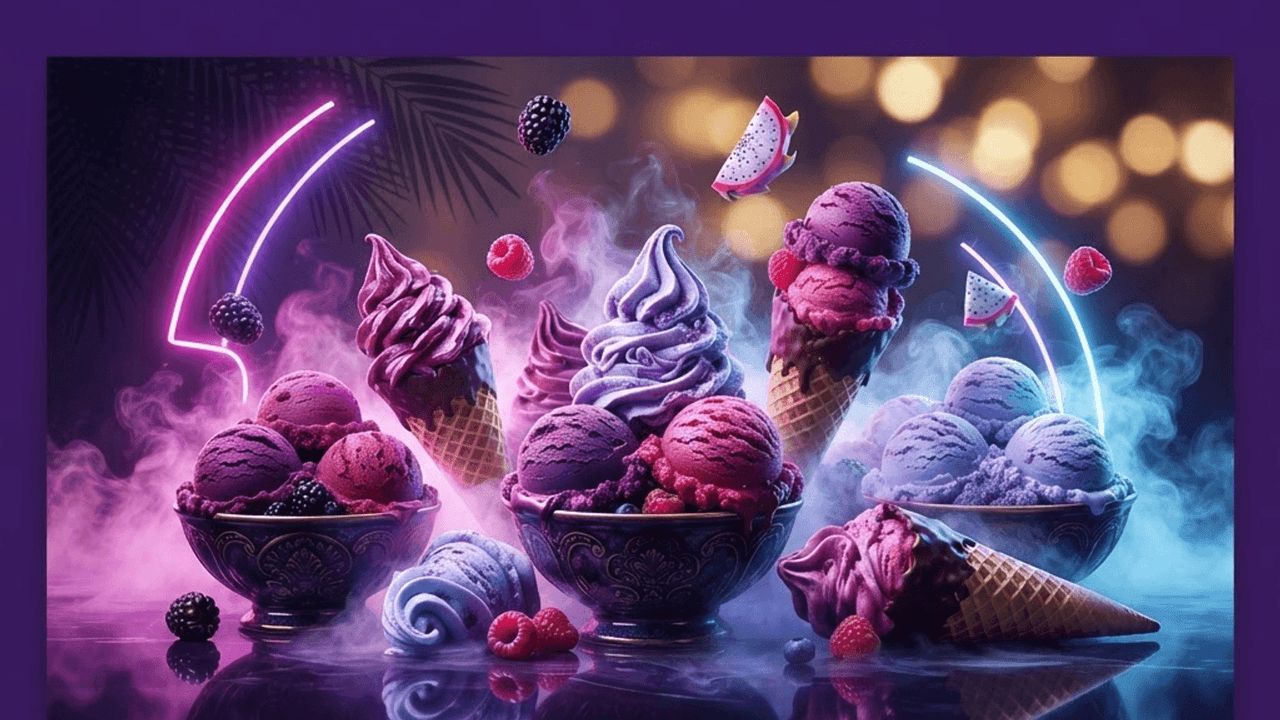
Frozen Desserts in a Year-Round Summer Climate
Pembroke Pines experiences warm weather for the overwhelming majority of the year, which makes frozen desserts less a seasonal treat than a constant part of daily life. That sustained demand has produced a genuinely competitive market where shops must distinguish themselves through quality rather than convenience alone.
The city's cultural composition adds further variety. Alongside traditional American ice cream parlors, residents can find Italian gelaterias, Argentine helado shops, Mexican paleterias offering fruit-forward frozen bars, and Caribbean operations serving tropical flavors rarely found outside the region.
Understanding the Differences Between Frozen Desserts
Ice cream, gelato, sorbet, and paletas differ meaningfully. Traditional ice cream contains higher butterfat and is churned with more air incorporated, producing a light, rich texture served at colder temperatures. Gelato has lower fat, less air, and is served slightly warmer, which concentrates flavor perception and creates a denser mouthfeel.
Sorbet omits dairy entirely, relying on fruit and sugar for body, making it an intense expression of a single ingredient. Paletas are frozen bars, often made with whole fruit pieces and sometimes with a creamy base, reflecting Mexican tradition. Soft serve uses a lower fat content with continuous churning at a warmer temperature.
The Ten Best Ice Cream Brands and Shops in Pembroke Pines
1. Pines Creamery. A small-batch producer making ice cream on-site with a rotating flavor board that reflects seasonal fruit availability. Their base recipe uses high-quality dairy and real vanilla, which is immediately apparent in the simplest flavors.
2. Gelateria Bella Vista. Traditional Italian gelato made in small batches daily, with strong pistachio, stracciatella, and hazelnut offerings alongside fruit sorbets that taste distinctly of the fruit rather than sugar.
3. Paleteria La Michoacana Pines. Mexican frozen bars and scooped ice cream featuring tropical flavors such as mango with chili, tamarind, guanabana, and coconut, many containing visible fruit pieces.
4. Coral Scoop Shop. A classic American parlor emphasizing generous portions, sundaes, and hand-dipped cones, popular with families and consistently busy on weekends.
5. Everglade Frozen Yogurt Co. Self-serve frozen yogurt with a broad topping selection, offering lighter options including non-dairy and reduced-sugar bases.
6. Dulce Helado Argentino. Argentine-style ice cream with an exceptional dulce de leche and a dense, smooth texture distinct from both American and Italian styles.
7. Island Chill Tropical Ice Cream. Caribbean-inspired flavors including soursop, passion fruit, sorrel, and rum raisin, reflecting Jamaican and Haitian culinary traditions.
8. Flamingo Rolled Ice Cream. Thai-style rolled ice cream prepared to order on a frozen surface, offering a visual experience alongside customizable mix-ins.
9. Silverline Vegan Frozen Desserts. Entirely plant-based using coconut, oat, and cashew bases, producing genuinely creamy results rather than compromised substitutes.
10. Pembroke Custard House. Frozen custard with a higher egg yolk content, delivering a richer and denser product served fresh throughout the day.
How to Judge Quality
Texture reveals a great deal. Excessive iciness usually indicates temperature fluctuation during storage or transport, meaning the product melted partially and refroze. Gummy texture often signals heavy stabilizer use compensating for lower-quality dairy.
Flavor intensity matters more than sweetness. A strong pistachio gelato should taste of nuts rather than sugar and almond extract, and its color should be muted green-brown rather than bright green, since natural pistachio is not vivid. Similarly, quality strawberry ice cream tends toward pale pink rather than bright red.
Watch how product is stored and served. Shops that keep tubs covered, maintain consistent case temperature, and rotate stock frequently deliver noticeably better results than those leaving product exposed under heat lamps of display lighting.
Trends in the Frozen Dessert Market
Plant-based options have improved dramatically. Oat and coconut bases now produce textures that satisfy customers without dairy restrictions, expanding the market well beyond those who strictly require alternatives.
Reduced-sugar and higher-protein formulations have gained shelf presence, driven by consumers seeking frequent indulgence with different nutritional profiles. Quality varies widely in this category, and the better producers use fiber and dairy protein rather than relying heavily on artificial sweeteners.
Local sourcing has become a differentiator for small producers, with some Pembroke Pines shops incorporating Florida citrus, mango, and honey into seasonal flavors that cannot be replicated by national brands.
Practical Tips for Enjoying Ice Cream in South Florida
Heat and humidity work against frozen desserts, so transport time matters. Request an insulated bag and dry ice for anything traveling more than fifteen minutes. For gatherings, consider pre-scooped portions held in a deep freezer rather than serving from a single container that softens quickly.
Visiting shops during off-peak hours generally produces better product, since fresh batches are more likely to be available and staff have time to serve carefully.
Final Thoughts
The frozen dessert scene in Pembroke Pines offers far more variety than its size would suggest, spanning Italian, Latin American, Caribbean, and American traditions alongside modern plant-based innovation. Exploring beyond familiar chains reveals producers making genuinely excellent product, often in unassuming plaza storefronts a short drive from home.