
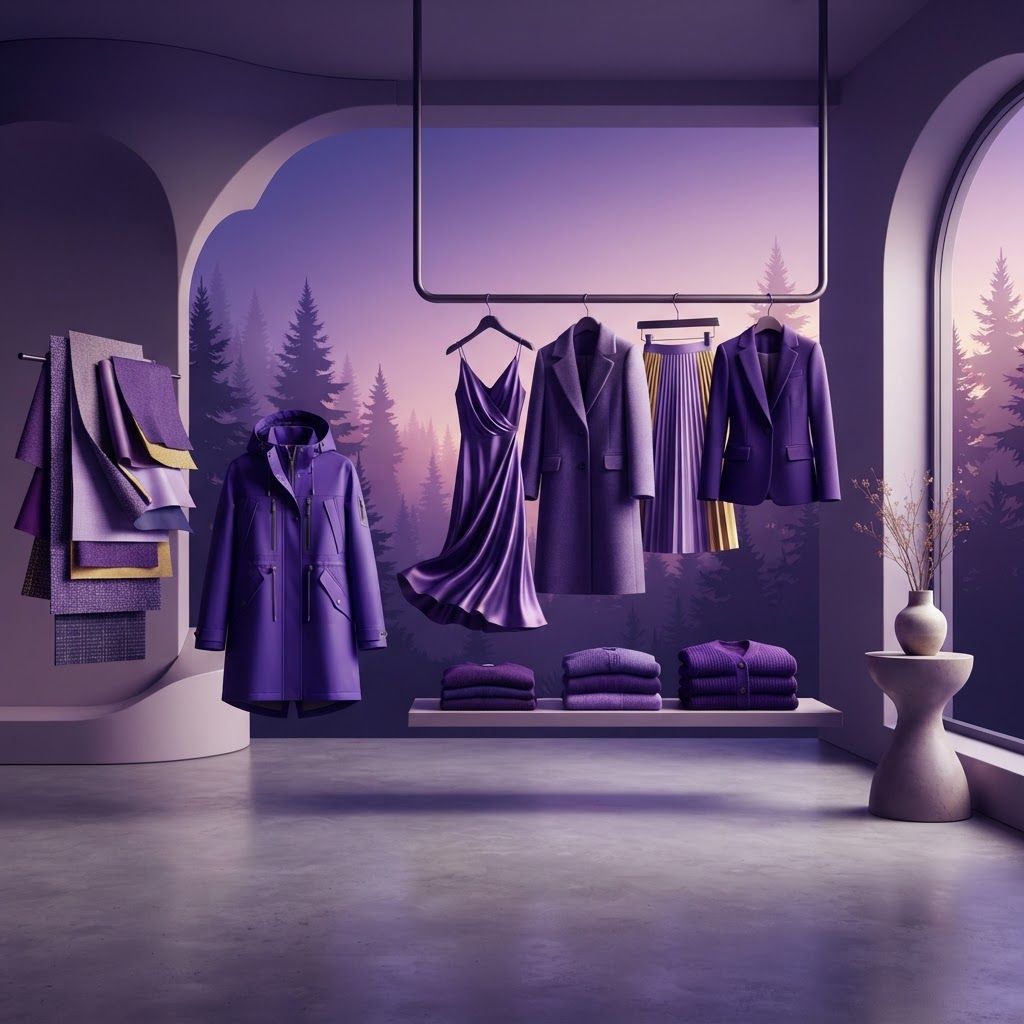
Eugene dresses for function first. A city built around running culture, river trails, a large university population and a genuinely wet winter does not reward impractical clothing. Yet the local design community has shown that practicality and character coexist comfortably, producing brands that handle Oregon weather while reflecting a distinct regional identity.
What Defines Eugene Style
Layering is the organising principle. Mornings are cold, afternoons variable, and rain arrives without negotiation for much of the year. Add a deep-rooted athletic heritage and a strong environmental consciousness, and the result is clothing that prioritises weather resistance, durability, comfort and responsible production over seasonal trend cycles.
How These Brands Were Selected
Brands were assessed on garment quality, fit and durability, material sourcing, environmental practices, design originality and relevance to how people actually live in the Willamette Valley.
1. Willamette Outdoor Apparel
Technical rain shells, insulated layers and trail clothing engineered specifically for persistent Pacific Northwest drizzle. Their seam sealing and breathability balance is tuned for active use rather than static warmth.
2. Emerald Valley Knitwear
Merino and wool-blend layers produced in small batches, favouring natural fibres for temperature regulation and odour resistance on multi-day trips.
3. Track Town Athletic Wear
Running apparel reflecting Eugene's distance running heritage, with attention to chafe-free construction, visibility in low light and performance in wet conditions.
4. Cascade Recycled Textiles
A sustainability-led brand using recycled and reclaimed materials, with transparent supply chain documentation and repair services that extend garment life meaningfully.
5. Spencer Butte Workwear
Durable trousers, jackets and shirts built for trades, farming and forestry work, with reinforced construction and practical pocket design.
6. Eugene Independent Design Collective
A platform for local designers producing limited-run garments, offering genuinely original pieces that are difficult to find through conventional retail.
7. River Loop Casualwear
Everyday essentials in soft, hard-wearing fabrics, designed for the campus-to-trail-to-cafe rhythm that defines daily life for many residents.
8. Oregon Heritage Flannel Company
Classic flannel and canvas outerwear constructed from heavyweight fabrics, leaning into regional tradition with modern fit refinements.
9. Lane County Children's Apparel
Kids' clothing designed for weather and rough play, with growth-accommodating features and waterproof outer layers that survive genuine use.
10. Amazon Creek Yoga and Movement Wear
Studio and movement clothing in natural and recycled fibres, prioritising comfort, opacity and fit consistency across sizes.
Trends in Local Apparel
Circularity has become a serious commercial practice rather than a talking point, with repair programmes, take-back schemes and resale channels growing steadily. Natural fibres are returning as awareness of microplastic shedding increases. Size inclusivity is improving, and fit consistency across ranges is now an expectation. Locally produced small-batch manufacturing is also expanding, supported by shoppers willing to pay for traceability.
How to Shop Well in Eugene
Invest in outer layers first, since a genuinely waterproof, breathable shell transforms winter comfort more than any other purchase. Prioritise durability and repairability over volume, check fibre content rather than relying on marketing language, and consider secondhand and resale channels, which are unusually strong in this city. Trying garments on for movement rather than appearance alone produces better long-term satisfaction.
Building a Practical Pacific Northwest Wardrobe
The most effective local wardrobes are built around a layering system rather than individual statement pieces. A moisture-managing base layer, an insulating mid layer in wool or fleece, and a genuinely waterproof breathable shell handle nearly every condition the Willamette Valley produces. Adding a lighter wind layer for dry spring days and a warmer insulated piece for winter completes the system. Once this foundation exists, additional clothing becomes a matter of preference rather than necessity, which naturally reduces both spending and wardrobe clutter.
Understanding Fabric and Performance
Fabric choice determines comfort more than styling does. Merino wool regulates temperature and resists odour across multiple wears, making it excellent for travel and multi-day use. Synthetics dry quickly and handle high-output activity well but retain odour and shed microfibres. Cotton is comfortable in dry conditions but dangerous when wet and cold, since it loses insulating capacity entirely. Waterproof breathable membranes vary widely in performance, and their effectiveness depends substantially on the durable water repellent finish being maintained.
Caring for Clothing to Extend Its Life
Garment longevity depends heavily on care. Washing less frequently and at lower temperatures preserves both fibres and finishes. Technical outerwear should be cleaned with appropriate detergent rather than standard formulations that strip water repellency, then reproofed periodically. Wool benefits from airing rather than washing after most wears. Repairing small tears and replacing worn zips costs a fraction of replacement and is well supported locally by alteration and repair services that many residents underuse.
Secondhand, Resale and Circular Fashion
Eugene has a genuinely strong secondhand market, driven by both environmental values and student budgets. Consignment shops, thrift stores, online resale groups and brand take-back programmes all circulate quality clothing. Buying secondhand is frequently the most sustainable option available, since no new production is required, and it often provides access to better-constructed garments at accessible prices. Selling or donating clothing that no longer fits keeps the system functioning for everyone.
Conclusion
Eugene's clothing brands reflect a community that spends substantial time outdoors and thinks carefully about consumption. The strongest labels here build garments meant to last through many wet winters, which is both an environmental position and simply good design.