
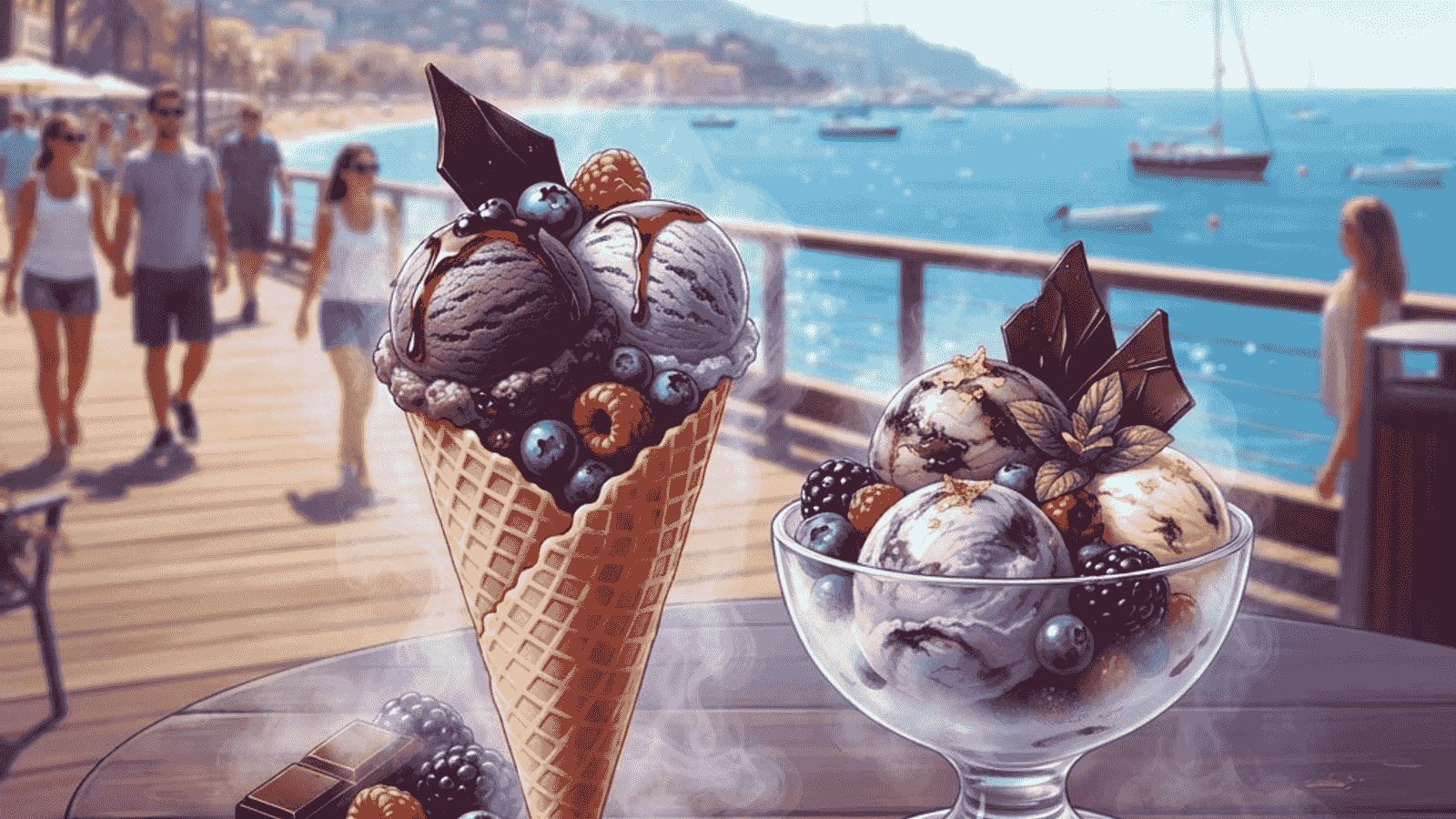
Why a Coastal Town Produces Great Ice Cream
Seasonal towns tend to develop excellent ice cream, and Oyster Bay is a clear example. Summer foot traffic supports the capital investment that quality frozen dessert requires: batch freezers, hardening cabinets, proper storage, and trained staff. Meanwhile, a dedicated local customer base keeps the better shops honest through the off-season, when nobody is buying on impulse or vacation enthusiasm.
The region's dairy access matters too. Proximity to working farms gives local producers options that industrial manufacturers do not have, including higher butterfat cream and fresher milk with shorter transit times. Several Oyster Bay brands build their identity specifically around that sourcing, and the difference is detectable in the first spoonful.
Ten Brands Worth Seeking Out
Harborlight Creamery is the benchmark for traditional hard-serve in the area. Their base recipe runs a high butterfat percentage with low overrun, meaning less air is whipped in, producing a dense scoop that melts slowly and carries flavor cleanly. Their vanilla, made with real bean specks visible throughout, is the item to judge them by.
Marsh Street Gelato works in the Italian tradition: lower fat, lower air, warmer serving temperature, and intense flavor concentration. Their pistachio uses actual pistachio paste rather than flavoring and almond filler, which is immediately obvious in both color and taste.
Cedar Cove Frozen Custard uses egg yolk in the base, producing the silky, slightly elastic texture custard is known for. Served fresh from the machine rather than hardened, it is a genuinely different product from standard ice cream and worth understanding as such.
Northshore Dairy Company operates closest to farm-to-cone, sourcing from regional dairies and rotating flavors with the growing season. Their strawberry during peak local harvest is a short-window item that regulars plan around.
Tidewater Soft Serve focuses entirely on soft-serve done properly, with well-maintained machines, correct mix temperature, and a signature twist. Equipment discipline is the whole game in soft serve, and it shows.
Quarrystone Plant-Based Creamery makes dairy-free ice cream that stands on its own rather than apologizing. Oat and coconut bases, stabilized correctly to avoid iciness, give their products the mouthfeel that most non-dairy frozen desserts lack.
Lantern Lane Sorbet Works specializes in fruit sorbets and granitas with no dairy at all, relying on fruit puree quality and precise sugar balance. Too little sugar produces an icy brick, too much prevents proper freezing, and their consistency indicates careful formulation.
Anchor Bay Ice Cream Sandwiches has built a niche in novelty format, pairing house-baked cookies with dense ice cream centers. It is a technical challenge, since cookie texture must remain chewable at freezer temperature, and they solve it well.
Fernwood Small Batch produces limited-run experimental flavors, including savory-adjacent combinations like olive oil, black sesame, and honey lavender. Not every batch works for every palate, which is the point of a small-batch program.
Sound Harbor Frozen Yogurt completes the list with tart, live-culture frozen yogurt that tastes like yogurt rather than diluted ice cream, a distinction that separates the serious operators from the toppings-bar model.
The Technical Details That Determine Quality
Butterfat content is the first variable. Premium ice cream typically runs between fourteen and eighteen percent butterfat, while economy products sit near the legal minimum of ten. Fat carries flavor compounds and produces a smooth melt, which is why premium ice cream coats the palate rather than feeling watery.
Overrun, the percentage of air incorporated during churning, may matter even more. Industrial ice cream can approach one hundred percent overrun, meaning half the volume is air. Premium products run twenty to fifty percent. Weight tells the story: pick up two similar containers and the denser one contains more actual ice cream.
Ingredient lists reveal intent. A short list of cream, milk, sugar, eggs, and flavoring indicates a made product. Long lists with multiple gums, emulsifiers, and artificial flavorings indicate a formulated one. Stabilizers are not inherently bad, and small amounts help texture in non-dairy and low-fat products, but their prominence signals priorities.
Storage temperature affects every scoop served. Ice cream held too warm and refrozen develops large ice crystals and a grainy texture. If a shop's product tastes gritty or shows visible crystals, the problem is usually handling rather than recipe.
Trends in the Frozen Dessert Market
Plant-based options have improved dramatically. Early dairy-free ice cream relied on coconut fat and tasted like it. Current formulations using oat, cashew, and blended bases achieve texture that many customers cannot distinguish blind, which has expanded the category well beyond people avoiding dairy.
Reduced-sugar and higher-protein products continue to grow, though the trade-offs are real. Sugar contributes to texture as well as sweetness by depressing the freezing point, so reduced-sugar products require reformulation rather than subtraction to avoid hardness.
Local sourcing has become a genuine differentiator. Customers increasingly ask where dairy and fruit come from, and brands with real answers benefit. Several Oyster Bay producers now name their dairy suppliers directly.
Seasonal and limited-edition flavors drive repeat visits more effectively than any promotion. A rotating board creates a reason to return weekly, and local shops have leaned into this heavily.
How to Get the Best Experience
Order a small size and try two flavors rather than committing to a large single flavor. Good shops will let you sample, and their willingness to do so is itself a quality signal.
Visit during busier periods for hard-serve, counterintuitive as that sounds. High turnover means product spends less time in the display case, and freshly opened tubs have not been repeatedly exposed to warm air.
For takeaway, ask for a dry ice pack if traveling more than fifteen minutes. Partial melting and refreezing at home destroys texture more thoroughly than most people realize.
Oyster Bay's frozen dessert lineup covers enough stylistic ground that comparing a dense hard-serve, a gelato, and a frozen custard in the same week is an education in itself, and it is one of the more pleasant ways to understand what quality actually means in this category.