
The Anchorage School Landscape
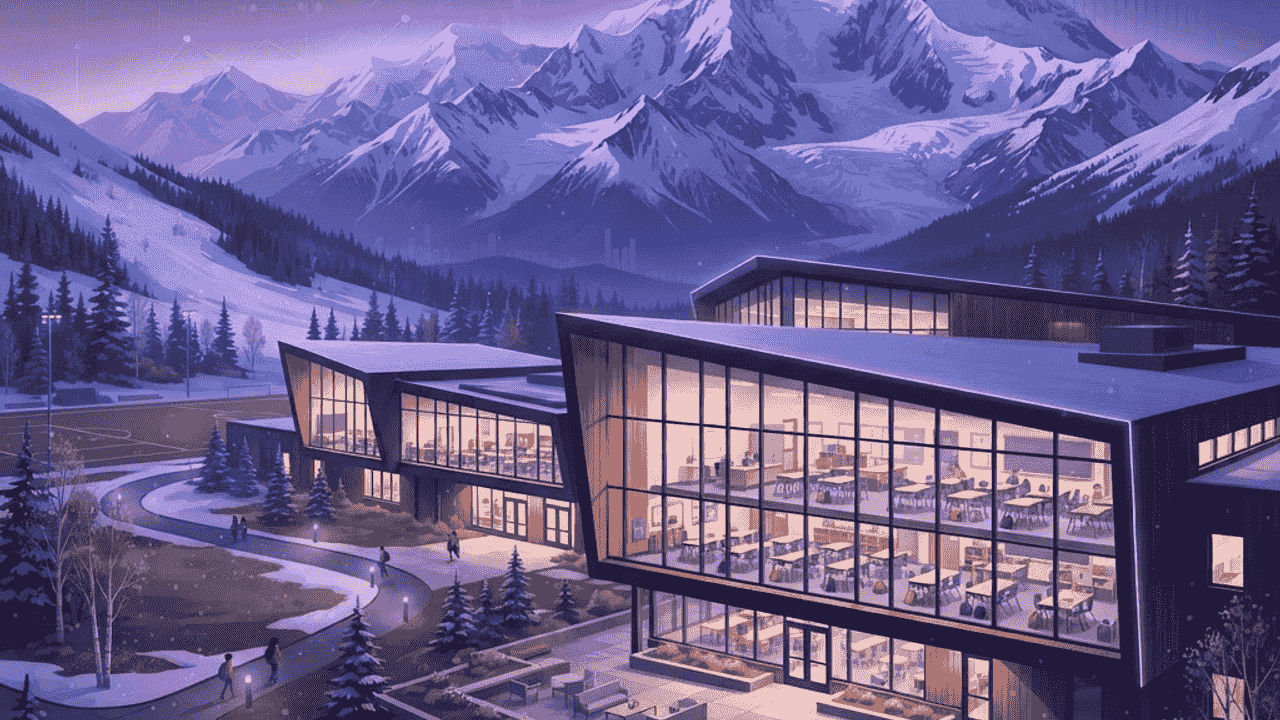
Anchorage is home to Alaska's largest school district, and its classrooms reflect one of the most linguistically diverse student populations in the country. Dozens of languages are spoken across the city's schools, and that diversity shapes everything from parent communication to curriculum design. Families here also navigate factors unfamiliar to much of the country: long winter darkness that influences start times, bus routes that cross wide low-density neighborhoods, and outdoor education programs built around glaciers, trails, and tidal flats rather than city parks. The result is a school landscape with unusual variety for a city of this size.
What Makes a School Stand Out
Strong test scores matter, but they rarely tell the whole story. The best Anchorage schools pair academic rigor with stability in staffing, meaningful family engagement, and clear pathways for students who need extra support or advanced challenge. Look for consistent leadership, low teacher turnover, well-attended parent organizations, and specialized offerings such as language immersion, International Baccalaureate coursework, career and technical education, or robust arts programs. Equally important are the intangibles: whether students speak positively about their teachers, whether hallways feel orderly and welcoming, and whether the school communicates promptly when something goes wrong.
Top 10 Best Schools in Anchorage
1. Service High School
A comprehensive high school widely respected for its breadth, Service offers extensive advanced coursework, competitive athletics, and strong music and debate programs. Students benefit from a large elective catalog and established college counseling support.
2. West Anchorage High School
Known for its International Baccalaureate pathway and its diverse student body, West combines academic ambition with a long athletic tradition. Its language offerings and student journalism programs are frequently praised.
3. Dimond High School
Dimond has built a reputation on balance, blending honors and advanced placement coursework with well-supported career and technical education. Engineering, business, and health science strands help students test career interests early.
4. Romig Middle School
A middle school valued for a structured, supportive transition into secondary education. Romig is recognized for its math instruction, active student leadership, and advisory system that keeps students connected to a trusted adult.
5. Rilke Schule German School of Arts and Sciences
This charter school delivers German immersion from the earliest grades, producing genuinely bilingual graduates. Small class sizes, an arts-integrated curriculum, and a tight-knit parent community define the experience.
6. Aquarian Charter School
Aquarian emphasizes hands-on, inquiry-driven elementary learning with strong parent participation requirements. Families choose it for its collaborative culture and its focus on curiosity over rote instruction.
7. Alaska Native Cultural Charter School
Grounded in Alaska Native values, language, and traditional knowledge, this school connects core academics to cultural identity. Elders, drumming, dance, and place-based projects are woven into daily learning.
8. Lumen Christi High School
A private Catholic high school offering a college-preparatory curriculum in a small-community setting. Faith formation, service requirements, and personal attention from teachers are central to its identity.
9. Anchorage Christian Schools
Serving students from the early grades through high school, this institution pairs a structured academic program with athletics and faith-based character education. Continuity across grade levels appeals to many families.
10. Polaris K-12 School
An alternative optional school built on student choice, multi-age classrooms, and heavy family involvement. Polaris suits learners who thrive with independence and project-based work rather than traditional pacing.
Trends Shaping Anchorage Education
Career and technical education continues to expand as employers in health care, aviation, construction, and technology seek locally trained talent. Dual-credit partnerships let high school students earn college credit before graduation, shortening the path and cost of a degree. Schools are also investing more deliberately in mental health support, recognizing that seasonal darkness and family mobility affect student well-being. Outdoor and place-based learning remains a signature strength, with programs that use Alaska's environment as a living laboratory for science, geography, and stewardship.
How Families Should Evaluate Options
Begin with logistics, because a school that requires an unrealistic commute rarely works long term. Attend an open house, walk the building during a normal school day if permitted, and talk with parents whose children are already enrolled. Ask how the school identifies struggling students, how quickly interventions begin, and what accelerated options exist for students who move ahead. For charter and optional schools, understand lottery timelines and volunteer expectations well before deadlines. Finally, weigh fit against reputation, because a highly ranked school that clashes with your child's temperament will serve them less well than a solid school that suits them.
Final Thoughts
Anchorage offers real choice, and that choice is most valuable when parents use it deliberately. The schools profiled here stand out for academic strength, distinctive programs, and cultures that families describe as supportive rather than merely competitive. Visit several, compare honestly, and choose the environment where your student is most likely to be known, challenged, and encouraged.