
Budget Travel in the Twin Cities
The Upper Midwest is not traditionally associated with backpacker infrastructure, and St. Paul has fewer dedicated hostels than European or coastal American cities. However, the metro's affordability, extensive transit connections, and university presence have created a real ecosystem of low-cost, social accommodation. Travelers willing to consider hostels, guesthouses, and shared lodging can visit comfortably at a fraction of hotel pricing.
The practical advantage of hostel-style lodging here extends beyond price. Because the Twin Cities are genuinely two cities plus dozens of distinct neighborhoods, staying somewhere with knowledgeable staff and fellow travelers accelerates orientation dramatically. Recommendations about which parks, taprooms, museums, and trails are worth the trip tend to be better than any published list.
What to Expect From Hostel Accommodation
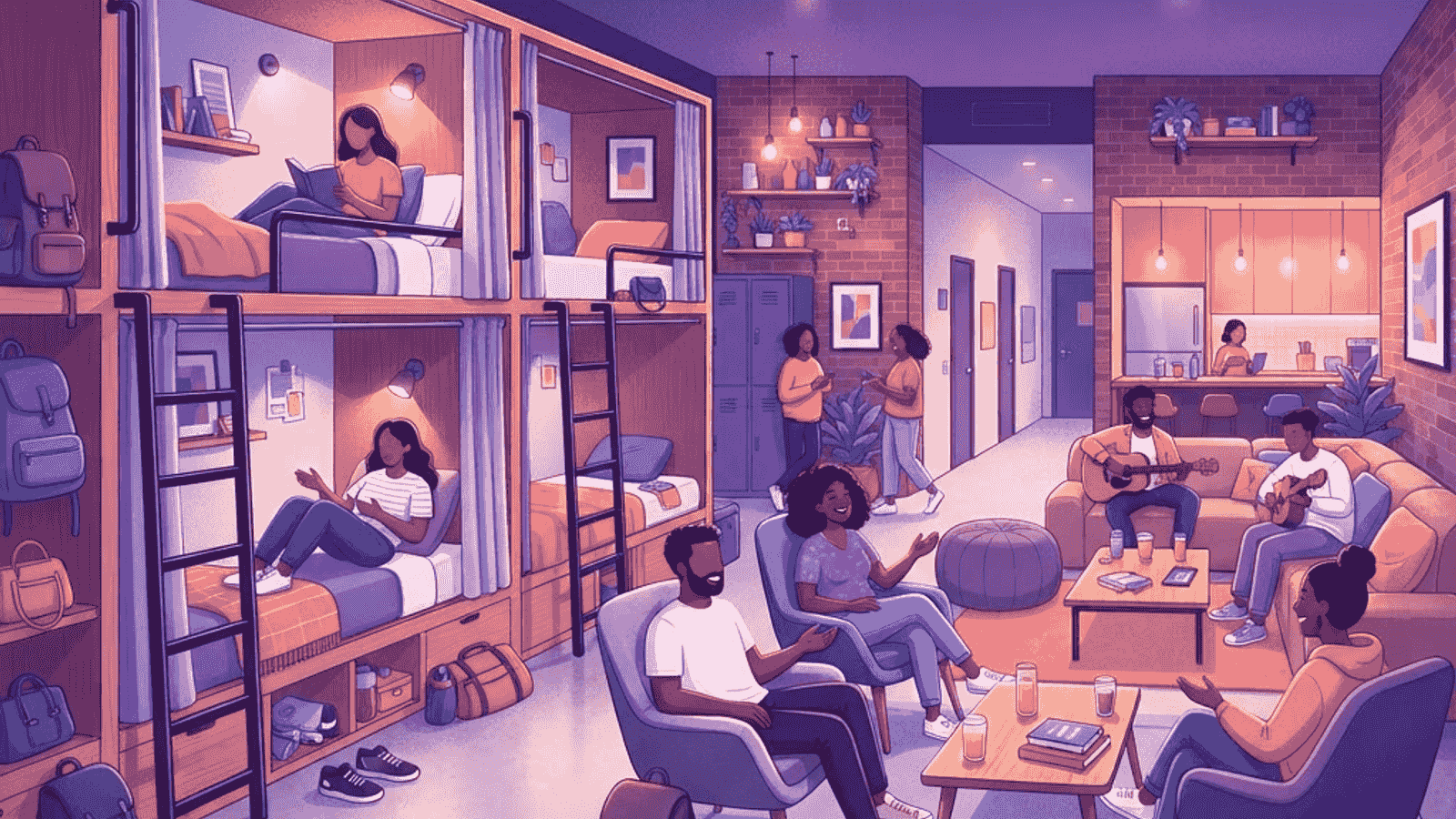
Standard offerings include mixed or single-gender dormitory rooms with bunk beds, shared bathrooms, communal kitchens, common lounges, luggage storage, and laundry facilities. Many properties also offer private rooms at rates well below hotel equivalents, which appeals to couples and older travelers who want the social atmosphere without shared sleeping quarters. Linens are usually provided, though it is wise to confirm.
Ten Affordable Places to Stay
1. Minneapolis International Hostel
The metro's best-known traditional hostel, located across the river but easily reached from St. Paul by transit. It offers dormitory and private rooms in an older building with a communal kitchen and a distinctly international guest mix.
2. HI Twin Cities Guesthouse
Operating in the hostelling tradition with an emphasis on affordability and community, this guesthouse provides shared accommodation with common areas designed to encourage conversation among guests from different countries.
3. City House Hostel Saint Paul
A compact, centrally positioned option catering to travelers who want walking access to downtown and the riverfront. Simple rooms, secure storage, and helpful staff define the experience.
4. Riverside Backpackers Lodge
Located near the Mississippi River corridor, this property attracts cyclists and outdoor-oriented travelers. Bike storage and trail access are its distinguishing features during the warmer months.
5. Hostel Como Park
Positioned near Como Park and its conservatory and zoo, this budget property suits families and travelers prioritizing green space over nightlife. Rates are typically among the lowest in the area.
6. The Marion Guesthouse
A converted residential building offering both dormitory beds and private rooms with shared kitchen facilities. Guests often mention a quiet, home-like atmosphere compared with larger hostels.
7. Midway Traveler's Inn
Situated along the Green Line light rail corridor between the downtowns, this budget lodging is convenient for visitors planning to explore both cities. Transit access is the primary selling point.
8. University Avenue Hostel
Serving students, visiting researchers, and budget travelers, this property offers weekly and monthly rates in addition to nightly stays. It is worth considering for longer visits.
9. Northern Lights Hostel
A smaller operation known for organized social activities, including group outings to local breweries, markets, and parks. Solo travelers looking for company tend to gravitate here.
10. Bluff Side Bunkhouse
A no-frills option near the West Side bluffs offering basic dormitory accommodation at low nightly rates. Best suited to travelers who value price above amenities.
Practical Tips for Hostel Stays
Bring a padlock for lockers, earplugs and an eye mask for dorm sleeping, flip-flops for shared showers, and a portable charger since outlets near bunks are not guaranteed. Check-in windows are often limited, so confirm arrival timing and late-arrival procedures in advance. Read cancellation policies carefully, as budget properties frequently enforce them strictly.
Winter travelers should plan seriously. Minnesota cold between December and February is not a minor inconvenience, and walking a mile from a transit stop in severe wind chill is genuinely hazardous without proper layers, insulated boots, gloves, and head covering. Choosing lodging within a short walk of a light rail station or major bus route materially improves a winter trip.
Trends in Budget Accommodation
Several shifts are visible across the sector. Pod-style beds with individual curtains, lights, and outlets are replacing open bunk arrangements. Properties are adding coworking corners and reliable connectivity for digital nomads and remote workers. Private-room inventory is expanding as hostels court travelers in their thirties and forties. Kitchen facilities have become a bigger differentiator as guests cook to save money in an era of higher restaurant prices.
Getting Around on a Budget
Transit makes low-cost travel here genuinely workable. The Green Line light rail links downtown St. Paul, the University Avenue corridor, and downtown Minneapolis, with buses filling in neighborhood coverage. Day and multi-day passes reduce per-trip cost considerably for visitors moving around frequently. Bike share and rental options open up the extensive riverfront trail network during warmer months. Many of the metro's best attractions cost nothing, including river trails, park systems, the Capitol grounds, and several conservatory and museum programs with free admission days. Combining hostel lodging with transit passes and free attractions keeps a multi-day visit remarkably affordable.
Final Thoughts
Hostels remain one of the most efficient ways to experience the Twin Cities on a limited budget, and the social dimension is a genuine benefit rather than a compromise. Prioritize transit proximity, verify what is included, and read recent guest feedback about cleanliness and noise. Handled thoughtfully, budget lodging frees resources for what actually makes a trip memorable: museums, live music, river trails, local food, and time spent exploring neighborhoods rather than paying for a room you barely occupy.