
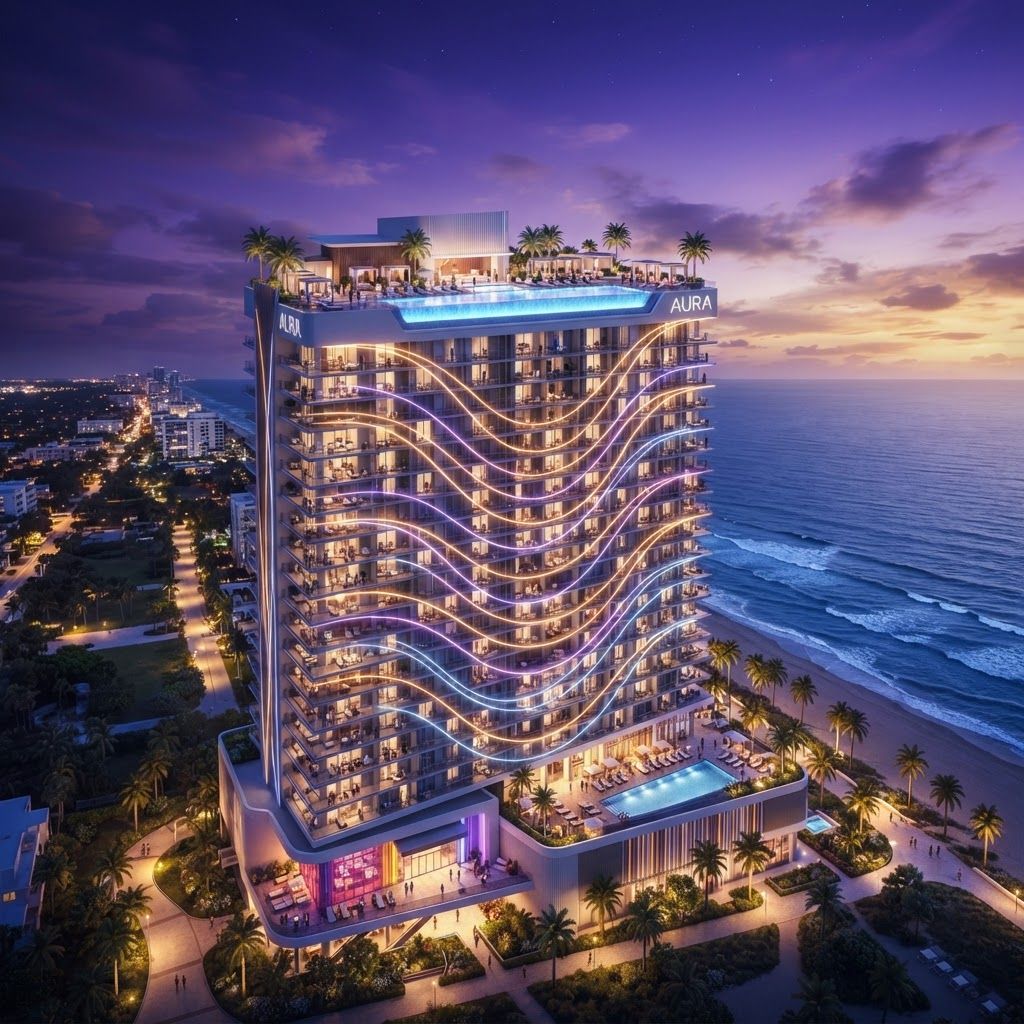
A Hotel Market That Has Grown Up
Fort Lauderdale's accommodation landscape has transformed substantially over the past two decades. The city that was once defined by low-rise motels and spring break crowds now hosts genuine luxury resorts, design-forward boutique properties, and full-service convention hotels, while retaining a stock of charming small inns that give the market character.
That evolution tracks the city's broader repositioning. As Fort Lauderdale has become a business center, a yachting capital, and a sophisticated dining destination, its hotels have followed, and travelers today have real choice across every category and price point.
Understanding the Hotel Neighborhoods
The beachfront corridor along A1A is the most recognizable area, running from the Las Olas intersection north past Sunrise Boulevard. Properties here offer direct ocean access, beach service, and the promenade atmosphere that defines the Fort Lauderdale experience for most visitors. Rates reflect the location, particularly for oceanfront rooms.
Harbor Beach at the southern end of the barrier island offers a more secluded resort environment with a private stretch of sand, appealing to travelers who want resort insulation rather than the energy of the main beach strip.
Downtown and Las Olas properties place guests within walking distance of restaurants, galleries, the Riverwalk, and the performing arts center, with the beach a short water taxi or rideshare away. These hotels suit business travelers and visitors who prioritize dining and walkability.
The marina and Intracoastal district serves the yachting community and travelers who want water views without oceanfront pricing. Properties here often include their own dockage and cater to a boating clientele.
Near the airport and cruise port, a cluster of hotels serves the substantial pre-cruise and connecting traveler market, offering shuttle service and early breakfast for departing passengers.
Categories of Accommodation
Luxury oceanfront resorts represent the top of the market, offering spas, multiple restaurants, beach clubs, pools, and full service. Names including the Ritz-Carlton, Four Seasons, W, and Conrad have established South Florida presences, and these properties compete on service depth, amenity quality, and beach experience.
Upscale full-service hotels from major brands such as Marriott, Hilton, Hyatt, and their premium sub-brands serve both leisure and business travelers with reliable standards, loyalty program benefits, and meeting facilities.
Boutique and design hotels offer distinctive character, often in restored or architecturally notable buildings, with smaller room counts, individual style, and strong food and beverage programs.
Historic small inns and guesthouses, many in the Victoria Park and beach-adjacent neighborhoods, provide an intimate alternative with personal service and considerable charm. Fort Lauderdale has a particularly notable collection of these.
Extended stay and apartment-style hotels serve relocating professionals, medical travelers, and families needing kitchens and space for longer visits.
Seasonality and Pricing Strategy
Fort Lauderdale hotel rates swing dramatically by season. The high season runs from roughly mid-December through April, when northern visitors arrive and rates can reach double or more their summer levels. Major events, most notably the international boat show in the autumn, create severe compression when the entire market sells out at premium pricing.
Shoulder seasons in late spring and autumn typically offer the best combination of pleasant weather and reasonable rates. Summer brings the lowest pricing along with heat, humidity, and frequent afternoon storms, though early mornings and evenings remain very pleasant and the beaches are far less crowded.
Travelers should watch for resort fees, which are common in this market and can add substantially to the quoted rate. These fees typically cover beach chairs, wireless internet, fitness access, and sometimes bicycle use. Parking is usually charged separately, and valet-only properties along the beach can add a significant daily cost.
What to Evaluate When Booking
Room category language matters. Ocean view, partial ocean view, and ocean front describe meaningfully different experiences, and the price difference between them is usually justified. Reviewing recent guest photographs rather than professional marketing images gives a more accurate picture.
Renovation status is worth checking. Fort Lauderdale properties renovate regularly given the corrosive coastal environment, and staying in an unrenovated wing or during active construction can spoil an otherwise excellent hotel. Recent reviews typically mention this.
Beach access details vary. Some properties sit directly on sand, others require crossing A1A, and some offer beach club access at a separate location. For a beach-focused trip, this distinction matters considerably.
Pool configuration and shade availability deserve attention given the intensity of the Florida sun. Properties with limited shaded seating can be uncomfortable in summer.
For business travelers, confirm meeting space, reliable wireless capacity, and proximity to the downtown business district or the convention center depending on purpose.
Booking Strategy
Booking directly with the hotel frequently produces better outcomes than third-party channels, including room preference honoring, loyalty point accrual, and easier modification. Many properties price-match third-party rates.
Loyalty program status delivers real value in this market, with upgrades, late checkout, and waived fees at some brands. Travelers who concentrate stays with one group benefit accordingly.
Travel advisors with luxury consortia relationships can secure upgrades, resort credits, and breakfast at participating properties at no additional cost, which is worth exploring for higher-end stays.
Book well ahead for winter and for boat show week, when the market genuinely sells out. Conversely, summer travelers can often find excellent last-minute value.
Practical Considerations
Traffic on the causeways connecting the mainland to the barrier island can be slow during peak season, and travelers should account for it when planning dinner reservations or airport departures.
The water taxi is a genuinely useful and enjoyable way to move between beach and downtown, and several hotels sit directly on its route.
For cruise passengers, hotels offering port shuttles and luggage storage simplify embarkation day considerably, and arriving the night before departure is strongly recommended.
Final Thoughts
Fort Lauderdale offers hotel quality across the full spectrum, from serious luxury resorts to characterful small inns. Choose the neighborhood based on whether beach access, dining walkability, or marine access matters most, scrutinize resort fees and parking charges when comparing rates, and plan around the dramatic seasonal pricing swings. Book direct where possible, and consider shoulder season for the strongest value in the market.