
Feeding a Growing City
Food wholesale distribution is the invisible infrastructure behind every restaurant meal, school lunch, hospital tray, and grocery shelf. In Tempe, a city with a dense restaurant scene, a large university population, substantial hospitality operations, and steady residential growth, that infrastructure operates at considerable scale and under genuine pressure.
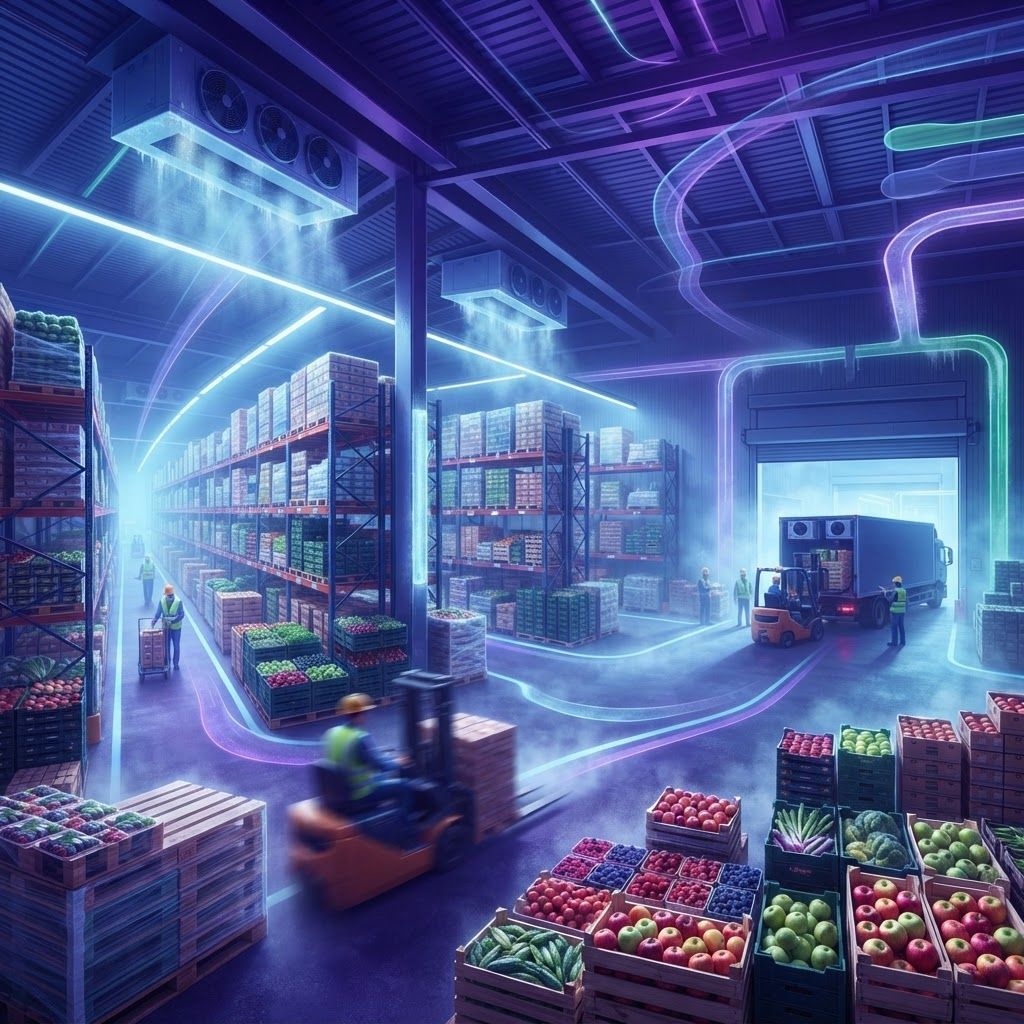
The desert climate raises the stakes. Cold chain integrity is a serious concern when ambient temperatures exceed one hundred degrees for months. A refrigerated truck with a failing unit or a delivery left on a loading dock for twenty minutes can compromise an entire shipment. Distributors who take temperature control seriously are not merely offering better service; they are protecting food safety.
Broadline Distributors
Valley Food Service Distribution operates as a broadline distributor supplying produce, protein, dairy, frozen goods, dry groceries, and disposables to restaurants and institutions, allowing operators to consolidate orders with one vendor.
Rio Salado Foodservice Supply serves independent restaurants and small chains, differentiating through flexible delivery scheduling and lower order minimums than national distributors typically accept.
Produce Specialists
Sonoran Fresh Produce supplies restaurants and grocers with fruits and vegetables, maintaining relationships with regional growers during Arizona's winter growing season when local produce is abundant.
Desert Harvest Wholesale focuses on organic and specialty produce, serving chefs who require specific varieties and consistent quality for menu-driven concepts.
Protein and Center-of-Plate
Copper State Meat Company provides beef, pork, and poultry with custom cutting services, allowing chefs to specify portion sizes and trim specifications precisely.
Papago Seafood Distribution supplies fresh and frozen seafood, managing the demanding logistics that inland seafood distribution requires with expedited air freight and strict temperature protocols.
Specialty and Ethnic Foods
Mill Avenue Specialty Foods distributes imported and artisanal products including cheeses, oils, and preserved goods for restaurants and specialty grocers.
Southwest International Food Wholesale serves the metro's diverse restaurant community with ingredients from multiple culinary traditions, stocking products that broadline distributors do not carry.
Bakery, Beverage, and Institutional
Tempe Bakery Supply provides flour, leavening, chocolate, and finished bakery products to restaurants, cafes, and retail bakeries, with ingredient specifications that matter enormously for consistent baking results.
Arizona Institutional Food Service supplies schools, healthcare facilities, and corporate dining operations, with the documentation, nutritional data, and compliance support institutional buyers require.
Trends in Food Distribution
Local sourcing continues to grow in importance. Arizona's winter produce season supplies regional crops when much of the country cannot, and distributors who connect operators with local growers offer both freshness and a story that menus can use.
Technology has transformed ordering. Online platforms with real-time inventory, order history, and automated suggestions have replaced phone orders for most operators, reducing errors and simplifying inventory management.
Labor challenges have shifted product mix toward value-added items. Pre-cut produce, portioned proteins, and partially prepared components reduce kitchen labor, and operators struggling to staff prep positions accept the higher ingredient cost willingly.
Food safety documentation has become more rigorous. Traceability, temperature logging, and supplier verification are now standard expectations, driven by both regulation and the reputational consequences of a foodborne illness incident.
Sustainability has entered purchasing conversations meaningfully, covering packaging reduction, food waste programs, and responsible sourcing practices that operators increasingly communicate to their own customers.
Choosing a Food Distributor
Start with delivery reliability. A distributor who misses a delivery window leaves a kitchen improvising during service. Ask about on-time performance and how substitutions and shortages are communicated.
Verify cold chain practices. Ask how trucks are monitored, what temperature documentation accompanies deliveries, and what happens when a product arrives out of specification. In this climate, these questions are essential rather than pedantic.
Evaluate product consistency. A protein that varies in size or a produce item that fluctuates in quality creates plating and costing problems. Consistency often matters more to a kitchen than price.
Understand pricing structure. Market-priced items fluctuate, and transparency about how prices are set builds trust. Ask about contract pricing for high-volume staples.
Assess ordering minimums and frequency against your storage capacity. A small restaurant with limited walk-in space needs frequent small deliveries, not weekly bulk drops.
Finally, consider the representative. A knowledgeable sales representative who understands your menu, alerts you to market changes, and suggests alternatives during shortages adds real operational value.
Controlling Food Cost Through Purchasing
Purchasing decisions determine food cost more than portioning does, yet most operators spend more attention on plates than on invoices. A disciplined approach starts with knowing your actual usage by item, which allows meaningful conversations about contract pricing on high-volume staples rather than accepting market fluctuation on everything.
Specification precision also controls cost. Ordering a protein by weight range and trim specification rather than generically ensures consistent yield, and yield is where hidden cost lives. Two products at the same invoice price can differ substantially in usable output after trimming.
Invoice verification deserves routine attention. Receiving staff should check delivered quantity, weight, temperature, and price against the order before signing. Errors occur in every distribution operation, and those unchecked at delivery are difficult to recover later.
Finally, consider menu engineering alongside purchasing. Cross-utilizing ingredients across multiple dishes reduces the number of items you stock, increases volume on each, improves your purchasing leverage, and reduces spoilage. Distributors with experienced representatives will often help identify these opportunities, since higher volume on fewer items benefits them as well.
Final Thoughts
Food wholesalers in Tempe operate under demanding conditions and serve an equally demanding customer base. For restaurants and institutions, the distributor relationship directly affects food cost, kitchen efficiency, and guest experience. Prioritize cold chain rigor, delivery consistency, and product quality, and treat your distributor as an operational partner rather than a commodity vendor.