
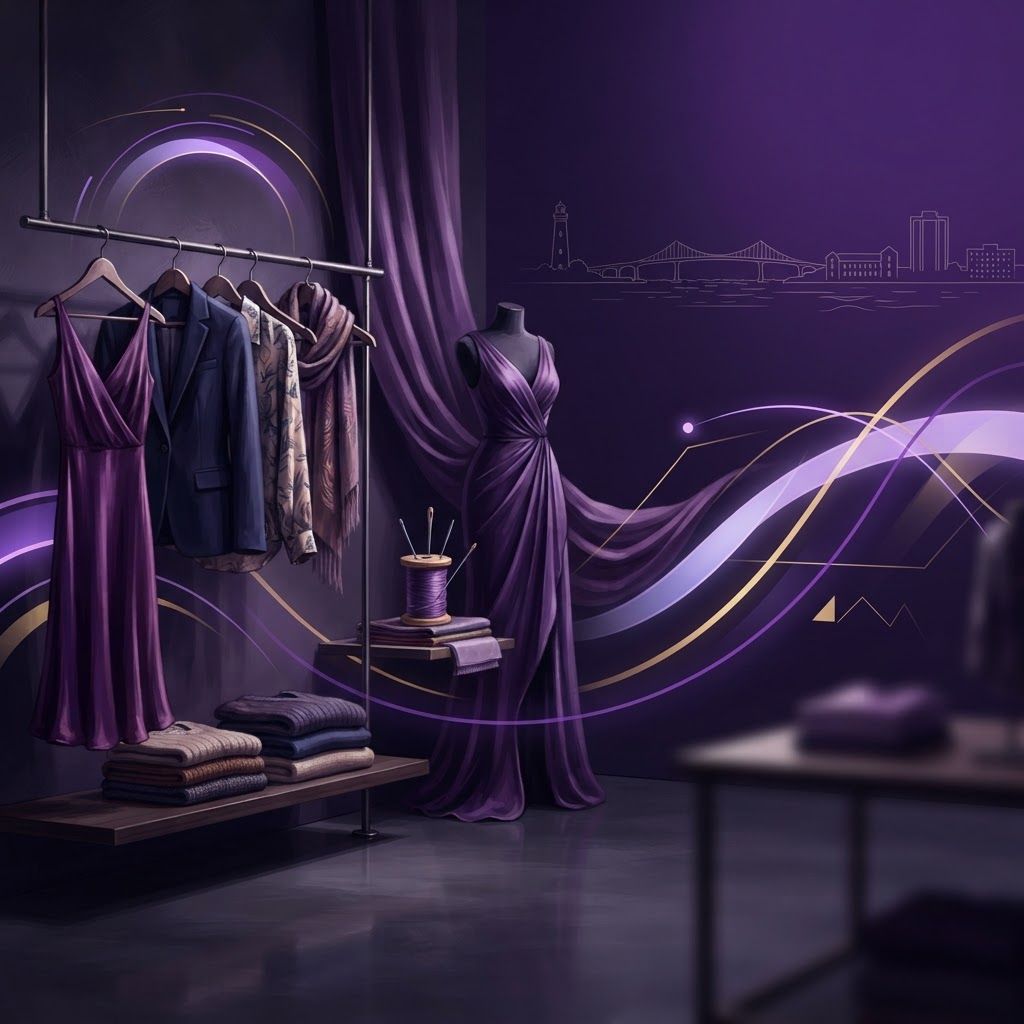
How Chesapeake Shapes What People Wear
Clothing markets are always local, and Chesapeake is a clear example. The city sits within the Hampton Roads region, where a large military and shipyard workforce, extensive waterways, humid summers, and a strong outdoor culture combine to shape demand. Residents need clothing that handles heat and moisture, transitions between formal and casual settings, and holds up to genuine wear. That practical bias does not mean a lack of style, but it does mean durability and comfort carry unusual weight in purchasing decisions.
The brands that succeed here understand that context. They design for humidity rather than fighting it, account for the region's mild but damp winters, and recognise that a significant share of customers value quality that lasts over rapid seasonal turnover. The ten brands and retailers below span that range, from technical performance labels to independent designers working out of local studios.
What to Look For in a Clothing Brand
Fabric composition tells you more than any marketing copy. For a humid coastal climate, breathable natural fibres and well-engineered technical blends outperform heavy synthetics. Check construction details such as seam finishing, stitch density, button attachment, and whether the garment includes spare notions. Sizing consistency across seasons is a strong indicator of a well-run brand.
Also consider repair and alteration support, return policy clarity, and whether the brand publishes anything meaningful about where and how its garments are made. Fit range matters, particularly for shoulders and inseams, and brands offering genuine tall, petite, or extended sizing rather than token options deserve credit. Finally, judge value over the garment's lifespan rather than at the till.
1. Great Bridge Outfitters
A locally rooted outdoor and workwear label built around durability, offering canvas trousers, reinforced shirting, and layering pieces designed for people who spend their days outside. Fabrics are chosen for abrasion resistance and quick drying, and the brand runs a repair service that has become part of its identity. It is a staple among trades, marine workers, and weekend anglers.
2. Deep Creek Coastal Apparel
Casual coastal wear with a restrained aesthetic, focusing on lightweight cotton and linen blends, breathable shirting, and relaxed knitwear suited to long humid summers. The brand avoids loud graphics in favour of clean silhouettes and subtle colour palettes drawn from local waterways. Its performance-fabric polo range has proven especially popular for warm-weather office settings.
3. Hampton Roads Tailoring House
A made-to-measure and alterations specialist serving a region with constant demand for formal wear, from military functions to weddings and corporate events. The house works in tropical-weight wools and half-canvas construction appropriate to the climate, and its fitting process is thorough enough that many clients return for a full wardrobe over time. Turnaround on alterations is a noted strength.
4. Western Branch Athletic Company
A performance activewear label producing moisture-managing training kit, compression layers, and running apparel tested in genuine local conditions rather than in a lab alone. Flat-seam construction and durable elastic recovery set its products apart from cheaper alternatives. The brand also produces custom team apparel for schools and clubs across the city.
5. Chesapeake Square Denim Studio
Specialists in denim, offering a curated range of cuts alongside on-site hemming, tapering, and repair. The studio stocks both rigid selvedge and comfort-stretch options and takes fitting seriously, which addresses the most common complaint about buying jeans. Its darning and reinforcement service extends the life of well-loved pairs considerably.
6. Indian River Kids and Family
A children's and family clothing brand focused on washability, growth allowance, and comfort, with adjustable waistbands, reinforced knees, and fabrics that survive repeated laundering. Parents value the consistent sizing and the pragmatic seasonal ranges that reflect actual local weather rather than a national template. School-appropriate basics form the core of the line.
7. Greenbrier Boutique Collective
A multi-designer boutique showcasing independent labels alongside its own house line of occasion and workwear pieces. Its buying is deliberately narrow and considered, meaning customers rarely encounter the same outfit elsewhere in the city. Staff offer genuine styling advice rather than volume selling, and the collective actively supports emerging regional designers.
8. Portlock Heritage Knitwear
A small-batch knitwear producer working in cotton, merino, and blended yarns suited to a mild winter climate. Pieces are designed to layer rather than to insulate heavily, which fits the region well. Limited production runs and a focus on long-wearing construction have earned the label a loyal following among customers tired of pilling sweaters.
9. Battlefield Uniform and Service Apparel
A practical supplier of uniforms, service wear, and professional attire for healthcare, hospitality, and trades, offering embroidery, garment marking, and bulk programmes for employers. Fit range and stock reliability are its principal strengths, since a uniform programme fails the moment sizes become unavailable mid-year. Individual customers are welcome alongside corporate accounts.
10. Oak Grove Sustainable Basics
An environmentally focused label producing everyday t-shirts, underlayers, and loungewear from organic and recycled fibres, with clear disclosure about manufacturing partners. The brand runs a take-back scheme for worn-out garments and prices for longevity rather than turnover. Its plain, well-cut basics have become a quiet favourite for building a simple wardrobe.
Trends Influencing Chesapeake Clothing
Three currents stand out. Technical fabrics have moved firmly into everyday clothing, with moisture management now expected in shirts and trousers rather than confined to sportswear. Interest in repair, alteration, and resale has grown sharply, changing how customers evaluate cost. And demand for genuine fit inclusivity continues to rise, rewarding brands that invest in proper pattern grading rather than simply scaling a single block.
Building a Wardrobe That Works Here
Prioritise breathable layers over heavy single garments, since the climate demands adaptability more than insulation. Invest most in the pieces you wear weekly and economise on occasion wear. Learn your measurements rather than relying on labelled sizes. Use local alteration services, which are plentiful and inexpensive relative to the improvement they deliver. In a market this practical, the best-dressed people in Chesapeake are usually those with fewer, better-fitting clothes rather than the largest wardrobes.