
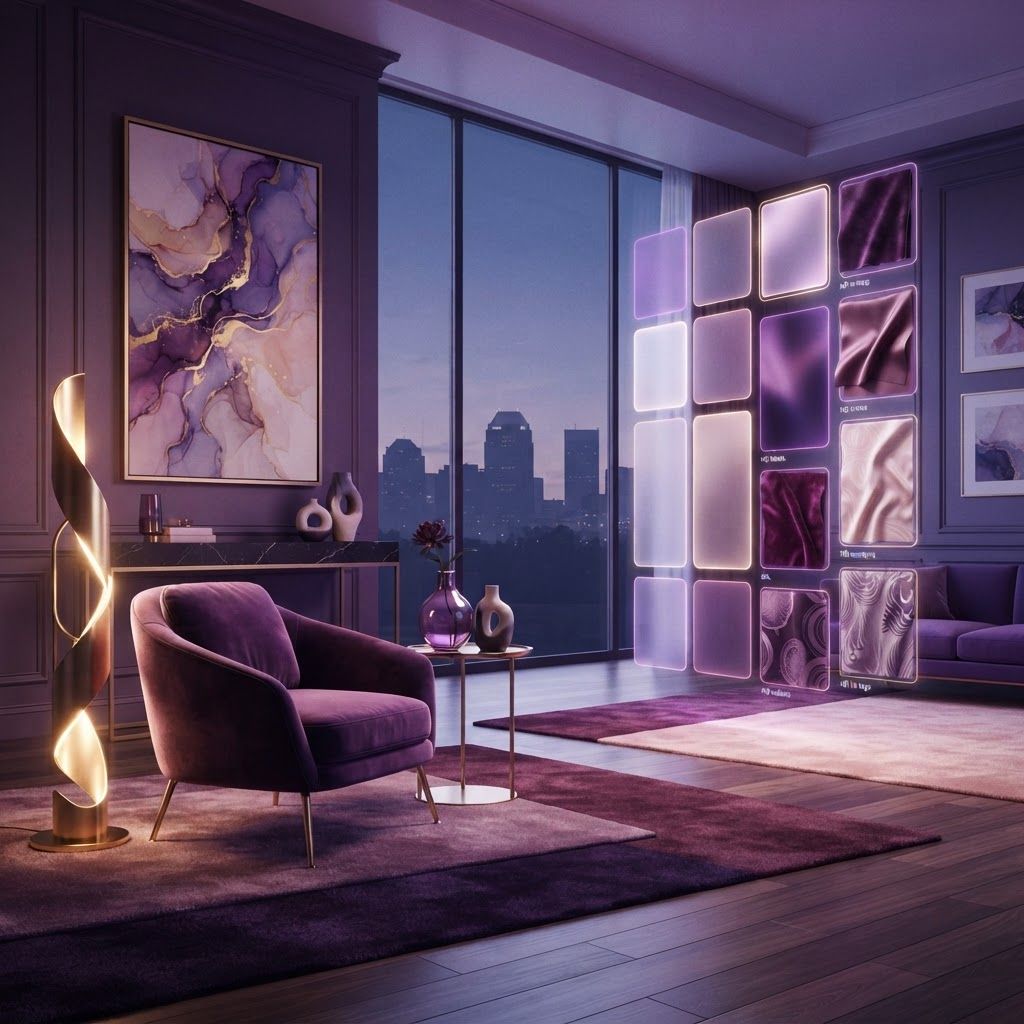
Richmond's Distinctive Design Culture
Few mid-sized American cities have a home decor scene as layered as Richmond's. The city's architecture spans Federal and Greek Revival townhouses, Victorian rowhouses, mid-century ranches, and converted industrial lofts in Scott's Addition and Manchester. Each of those contexts demands a different decorating vocabulary, and local brands have evolved to serve them rather than importing a single national aesthetic.
A strong craft tradition reinforces this. The presence of a major art and design school has seeded generations of ceramicists, textile designers, woodworkers, and lighting makers who stayed in the city and built small production businesses. The result is a market where a homeowner can furnish a room almost entirely with pieces made within a few miles.
How These Brands Were Selected
Brands were evaluated on design originality, material quality, craftsmanship, range and clarity of price tiers, realistic lead times, customization capability, and reputation among local designers and repeat customers. The list intentionally spans budgets, from accessible accessories to commissioned furniture.
1. James River Ceramics
A studio pottery brand producing tableware, vases, and lamp bases in muted river-inspired glazes. Pieces are wheel-thrown and kiln-fired locally in small batches, so subtle variation is part of the appeal. Custom dinnerware sets are available with a lead time of several weeks.
2. Carytown Textile House
Known for handwoven throws, cushion covers, and upholstery-weight fabric in natural fibres. The brand works with undyed wool, linen, and cotton alongside plant-dyed accent colours, and it supplies yardage to local upholsterers, making coordinated custom furniture straightforward.
3. Scott's Addition Lighting Works
An industrial-modern lighting maker producing pendants, sconces, and floor lamps in blackened steel, aged brass, and hand-blown glass. Their fixtures suit loft conversions and open-plan kitchens, and they offer custom sizing and finish matching for larger installations.
4. Church Hill Woodcraft
A furniture workshop building tables, benches, shelving, and case goods from regional hardwoods including white oak, walnut, and cherry. Joinery is traditional, finishes are low-sheen and repairable, and commissions are sized precisely to the awkward dimensions common in historic rooms.
5. Fan District Interiors
Part showroom, part design service, this brand curates antiques alongside contemporary upholstery and offers full room concepts. It is a strong option for owners of period homes who want a considered mix rather than a matched suite, and staff designers handle sourcing and installation.
6. Manchester Metal Studio
Fabricators of consoles, shelving brackets, fire screens, and mirror frames in steel and brass with patinated finishes. Their aesthetic is spare and architectural, and they frequently collaborate with local woodworkers on mixed-material pieces.
7. Shockoe Home Collection
An accessible lifestyle brand covering bedding, bath textiles, storage baskets, and seasonal accessories. Prices sit well below commission work, which makes it a practical starting point for renters and first-time buyers who want quality basics with a considered palette.
8. Short Pump Modern Living
A larger suburban showroom focused on contemporary sofas, sectionals, dining sets, and rugs with in-stock availability. The advantage here is speed: full rooms can be delivered in days rather than months, with design consultation included at no extra charge.
9. Midlothian Upholstery Company
A custom upholstery and reupholstery specialist rebuilding frames, replacing springs and foam, and recovering heirloom furniture. For families with inherited pieces, restoration often costs less than comparable new furniture while producing a far better result.
10. Glen Allen Wall and Art Studio
Producers of original artwork, limited-edition prints, and custom framing, with a strong line of large-scale abstract canvases scaled for tall or open walls. They also offer gallery-wall planning and installation, which resolves one of the most common decorating stumbling blocks.
Understanding Price Tiers and Lead Times
Local decor generally divides into three tiers. Accessories and textiles are immediately available and modestly priced. Semi-custom items such as lighting and upholstery involve a choice of finish or fabric with lead times of roughly four to twelve weeks. Fully commissioned furniture is bespoke and can take several months, and it should be treated as a long-term investment rather than a seasonal purchase.
Ask every maker three questions: what the deposit structure is, what the realistic delivery window looks like, and how repairs or refinishing are handled years later. Brands that can service what they sell are almost always the better long-term choice.
Building a Coherent Interior
Start with one anchor piece and let it set the palette and material language for the room. Limit yourself to a small number of dominant materials, then vary texture rather than adding more colours. In historic Richmond homes, respect the existing trim, floors, and window proportions instead of fighting them; in industrial conversions, lean into scale and let large fixtures do the work.
Trends Shaping the Local Market
Demand is moving toward durability and repairability, with buyers favouring solid wood, natural fibres, and refinishable metal over disposable furniture. Locally made goods are also gaining share as shipping delays have made imported furniture less predictable. Warmer earth tones, deep greens, and matte finishes are displacing the cool grey palette that dominated the previous decade.
Final Thoughts
Richmond's best home decor brands succeed because they are rooted in the city's architecture and craft traditions. Mix tiers deliberately, invest in the pieces you will touch every day, and prioritize makers who stand behind their work. Done well, the result is an interior that feels specific to your home rather than assembled from a catalogue.