
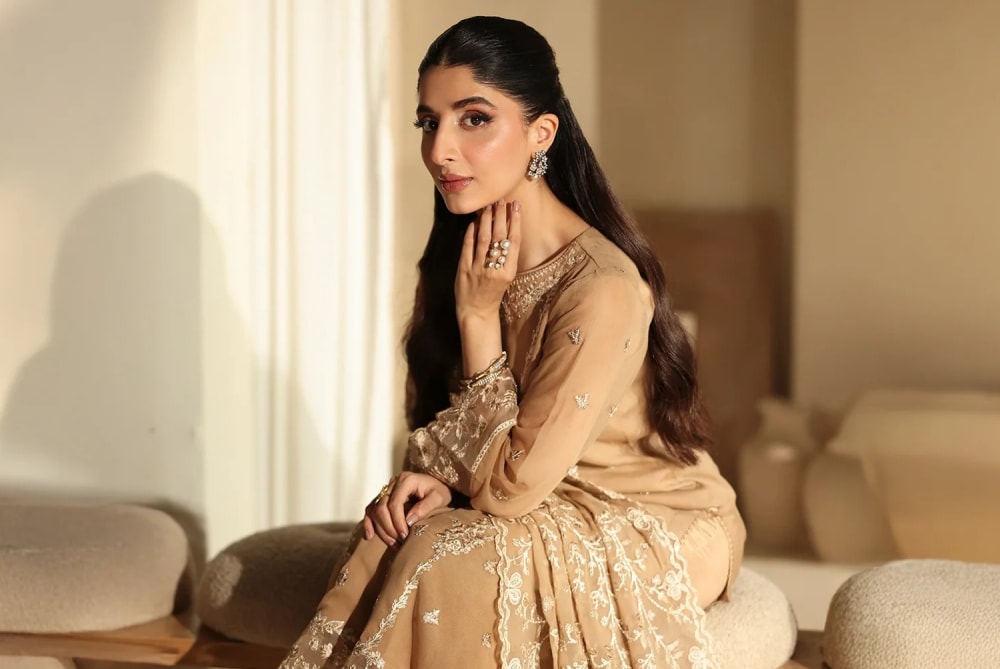
Pakistan Clothes – Traditional Pakistani Dresses
Traditional clothing reflects the cultural identity, history, and lifestyle of a nation. Pakistan is known for elegant clothing that combines comfort, modesty, and artistic design. Traditional dresses show deep cultural roots and regional diversity across the country. Rich fabrics, detailed embroidery, and graceful silhouettes create a timeless fashion identity. Pakistan clothes represent both everyday wear and festive elegance. Each region presents unique styles influenced by climate, traditions, and local craftsmanship. From simple daily outfits to luxurious wedding attire, traditional dresses continue to hold an important place in cultural celebrations and modern wardrobes.
Overview of Traditional Clothing in Pakistan
Traditional clothing in the country reflects centuries of culture, craftsmanship, and heritage. Pakistan clothes are designed to provide comfort while maintaining elegance and modesty. Both men and women wear clothing styles that balance tradition with modern influences.
The most recognizable traditional outfit is the shalwar kameez, worn across all provinces. This dress includes loose trousers called shalwar and a long tunic known as kameez. Variations in fabric, embroidery, and stitching create different styles for casual wear and formal occasions.
Traditional dresses also reflect social customs. Certain outfits are worn during weddings, religious events, and festivals, while lighter versions serve daily use. Designers continue to introduce modern cuts and patterns while keeping the cultural essence intact.
Importance of Cultural Identity in Clothing
Clothing often represents regional heritage and artistic traditions. Embroidery techniques, colors, and patterns vary by region. These elements help preserve traditional craftsmanship while allowing fashion to evolve.
Popular Traditional Dresses for Women
Many elegant outfits are worn by women during everyday life and special events. Pakistan clothes for women often combine comfort with decorative details such as embroidery, lace, and beadwork.
One of the most popular outfits is the shalwar kameez, available in many styles. Long straight shirts paired with fitted trousers create a modern appearance while maintaining traditional structure.
Another well-known dress is the lehenga choli, often worn during weddings and festive celebrations. This outfit features a long decorative skirt paired with a fitted blouse and a dupatta.
The anarkali dress is also widely admired for its flowing design. Inspired by historical royal clothing, this outfit features a long frock-style top paired with fitted trousers.
Role of Dupatta in Traditional Outfits
A dupatta is a long scarf that completes many traditional outfits. It adds grace and modesty while enhancing the visual appeal of the dress.
Traditional Dresses for Men
Men’s clothing also reflects cultural elegance and simplicity. Pakistan clothes for men commonly focus on comfort while maintaining a dignified appearance.
The shalwar kameez remains the most widely worn outfit for men. The loose trousers allow easy movement, while the long shirt provides a classic and modest look.
Another popular outfit is the kurta pajama. This style features a straight-cut tunic paired with narrow trousers. It is commonly worn during religious events, formal gatherings, and festivals.
For weddings and ceremonial occasions, the sherwani is a preferred choice. This long coat-style garment is usually worn over a kurta and pajama, often decorated with embroidery or buttons.
Footwear and Accessories
Traditional footwear such as khussa or mojari complements formal outfits. These handcrafted shoes add cultural authenticity and style.
Fabrics Used in Traditional Pakistani Clothing
Fabrics play a significant role in the beauty and comfort of traditional outfits. Different materials are selected depending on the season and occasion.
Commonly used fabrics include:
- Cotton – Ideal for everyday wear and warm weather
- Lawn – Lightweight and breathable summer fabric
- Silk – Used for formal dresses and wedding outfits
- Chiffon – Popular for evening and party wear
- Velvet – Frequently chosen for winter weddings
Fabric quality often determines the elegance and durability of traditional clothing.
Decorative Techniques
Traditional dresses often include handcrafted decorations such as:
- Embroidery
- Mirror work
- Thread work
- Zari and zardozi detailing
These artistic elements highlight cultural creativity and craftsmanship.
Regional Styles of Traditional Clothing
Different regions of the country present unique clothing traditions influenced by local culture and climate.
Punjabi Style
Punjabi dresses often include vibrant colors and comfortable designs. Patiala shalwar paired with short kameez is a well-known regional outfit.
Sindhi Style
Sindhi clothing features detailed mirror work and colorful embroidery. Ajrak patterns and traditional caps are important cultural symbols.
Balochi Style
Balochi dresses are known for heavy embroidery and loose silhouettes. The garments are designed for comfort in warmer climates.
Pashtun Style
Pashtun clothing often includes long shirts with wide trousers. Simple designs and neutral colors create a modest and practical appearance.
Traditional Clothing for Festivals and Weddings
Special occasions bring out the most luxurious versions of traditional dresses. Weddings, religious celebrations, and cultural festivals feature clothing made from rich fabrics and elaborate designs.
Bridal dresses often include heavy embroidery, gold threadwork, and decorative embellishments. Bright colors such as red, maroon, and gold are common in wedding attire.
Festival clothing focuses on elegance while maintaining comfort. Decorative dupattas, embroidered kurtas, and stylish shalwar designs create a festive appearance.
Care Tips for Traditional Dresses
Proper care helps maintain the beauty and durability of traditional clothing. Many outfits contain delicate fabrics and detailed embroidery that require careful handling.
Helpful care tips include:
- Dry cleaning embroidered garments
- Storing dresses in breathable garment covers
- Avoiding excessive sunlight exposure
- Using gentle detergents for delicate fabrics
These simple practices help preserve traditional outfits for long-term use.
Discover Authentic Traditional Style with Filhaal UK
Filhaal UK represents a trusted destination for elegant traditional clothing inspired by Pakistani heritage. A wide collection of dresses reflects cultural craftsmanship while maintaining modern style preferences. Carefully selected fabrics, detailed embroidery, and refined tailoring create outfits suitable for casual wear, festive celebrations, and formal events.
Traditional outfits available through Filhaal UK celebrate timeless cultural design while offering contemporary comfort and quality. Collections often include shalwar kameez, festive dresses, embroidered suits, and stylish seasonal designs that match current trends while respecting traditional aesthetics. Attention to fabric quality and artistic details ensures that every outfit represents authentic craftsmanship.
Fashion enthusiasts seeking graceful traditional attire can explore a variety of elegant designs through Filhaal UK. Each collection highlights cultural heritage, sophisticated tailoring, and refined style suitable for modern wardrobes while preserving the beauty of traditional Pakistani clothing.