
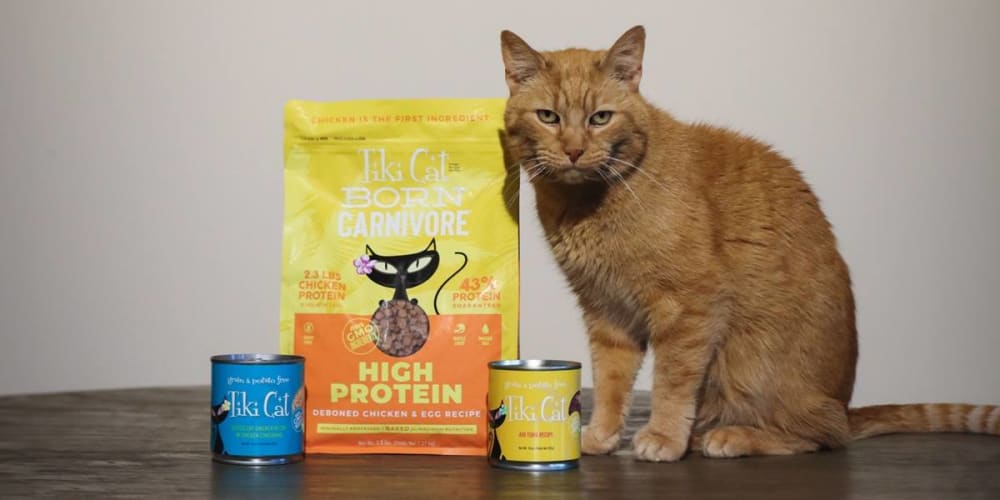
Choosing the right food for your cat is one of the most important decisions you’ll make as a pet owner. With so many premium brands on the market, it can be difficult to determine which one truly delivers on its promises. One brand that consistently stands out in discussions is Tiki Cat—often marketed as a high-protein, meat-focused option designed to mimic a cat’s natural diet.
But is Tiki Cat food actually good? Does it live up to the hype, or is it just another expensive label?
In this comprehensive guide, we’ll break down everything you need to know—from ingredients and nutritional value to pros, cons, customer feedback, and whether it’s the right choice for your specific cat.
What Is Tiki Cat Food?
Tiki Cat is a premium cat food brand known for its high-protein, grain-free recipes that prioritize real meat and seafood. The brand offers a wide range of wet and dry foods, including popular lines like:
- Grill (shredded meat in broth)
- Luau (pâté-style recipes)
- After Dark (includes organ meats)
- Born Carnivore (dry kibble)
What sets Tiki Cat apart is its focus on biologically appropriate nutrition, meaning its formulas aim to replicate what cats would naturally eat in the wild—primarily animal-based protein with minimal carbohydrates.
Ingredients and Nutritional Quality
High Protein Content
One of Tiki Cat’s biggest strengths is its exceptionally high protein content. Many recipes feature real meat or fish as the first ingredient, such as tuna, chicken, or salmon.
- Protein levels can reach over 70% on a dry matter basis in some wet foods.
- This aligns well with a cat’s natural carnivorous diet
Cats require protein for muscle maintenance, energy, and overall health, making this a major advantage.
Low Carbohydrates
Unlike many commercial cat foods, Tiki Cat formulas are very low in carbohydrates.
- Minimal plant ingredients
- Often grain-free and filler-free
- Suitable for cats with diabetes or weight issues
Low-carb diets are generally beneficial for cats because they are obligate carnivores and don’t require carbohydrates in large amounts.
Moisture-Rich Formulas
Most Tiki Cat products are wet foods with high moisture content.
- Helps support hydration
- Beneficial for urinary and kidney health
Cats naturally have a low thirst drive, so moisture-rich food is a big plus.
Clean Ingredient List
Tiki Cat avoids many controversial ingredients:
- No artificial colors, flavors, or preservatives
- No corn, soy, or wheat
- No meat by-products
This makes it a strong option for pet owners who prioritize clean, transparent labeling.
Pros of Tiki Cat Food
1. Species-Appropriate Nutrition
Tiki Cat closely mirrors what cats would eat in the wild:
- High animal protein
- Low carbs
- Minimal plant fillers
This makes it one of the more biologically appropriate diets available.
2. Excellent Ingredient Quality
The brand uses:
- Real, named meats
- Organ meats (rich in nutrients)
- High-quality seafood and poultry
This contributes to better digestion and overall health.
3. Great for Sensitive Cats
Many owners report success with Tiki Cat for cats that have:
- Food allergies
- Sensitive stomachs
- Digestive issues
Limited ingredients and simple recipes make it easier to identify triggers.
4. No Artificial Additives
Tiki Cat is free from:
- Artificial preservatives
- Artificial flavors
- Artificial colors
This reduces the risk of long-term health concerns.
5. Strong Safety Record
The brand has maintained a very good safety history:
- No major recalls reported in recent years ([Alibaba][3])
- Meets AAFCO nutritional standards
This adds to its reliability and trustworthiness.
6. High Palatability (Most of the Time)
Many cats love the taste and texture:
- Real shredded meat appeals to picky eaters
- Strong aroma can attract cats quickly
Customer reviews frequently mention improved appetite and coat quality.
Cons of Tiki Cat Food
Despite its many strengths, Tiki Cat isn’t perfect.
1. Expensive
One of the biggest drawbacks is cost:
- Premium pricing compared to other brands
- Feeding multiple cats can become costly
Some estimates suggest up to $5 per day per cat for certain diets
2. Low Fat Content
While protein levels are high, fat content is sometimes lower than ideal:
- May not fully match a cat’s natural prey diet
- Could affect energy levels for very active cats
3. Use of Plant-Based Fats
Some recipes include sunflower oil:
- Not as biologically ideal as animal fat
- May not provide optimal fatty acid balance
4. Strong Smell
Many users note that the food has a strong odor:
- Cats may love it
- Humans often don’t
5. Not All Cats Like It
Even high-quality food isn’t universal:
- Some cats reject the texture or flavor
- Chunky/shredded styles may not appeal to all
6. Dry Food Still Has Limitations
While Tiki Cat’s dry food is better than average:
- Still higher in carbs than wet food
- Lacks moisture cats need
What Do Customers Say?
Overall, customer feedback is overwhelmingly positive, but with some mixed experiences.
Positive Feedback
Common praises include:
- “My picky cat finally eats again”
- “Looks like real meat, not processed mush”
- “Improved coat and digestion”
Many owners also report success with cats that have medical conditions like diabetes or IBD.
Negative Feedback
Some recurring complaints:
- Expensive
- Strong smell
- Inconsistent texture
- Some cats refusing to eat it
Real Reddit Experiences
Here’s a glimpse of community opinions from Reddit:
“My cats have never liked Tiki cat food… refuse to touch it.”
“Some flavours are not very appetizing for both of my cats.”
“It seemed ok at first, but gave my older cat diarrhea.”
These highlight an important point: every cat is different.
Is Tiki Cat Food Healthy?
Yes—overall, Tiki Cat is considered a healthy and nutritionally sound option for most cats.
It provides:
- High-quality protein
- Essential nutrients like taurine
- Low carbohydrate levels
- Adequate hydration (in wet formulas)
Additionally, all formulas meet AAFCO nutritional standards.
Is Tiki Cat Good for Specific Needs?
For Kittens
Yes, many formulas are suitable for all life stages and provide:
- High protein for growth
- Essential vitamins and minerals
For Senior Cats
Great option due to:
- Easy-to-digest ingredients
- High moisture content
For Overweight Cats
Low-carb recipes can help with:
- Weight management
- Blood sugar control
For Cats with Allergies
Limited ingredients make it easier to:
- Identify allergens
- Avoid fillers and irritants
How Does Tiki Cat Compare to Other Brands?
Compared to typical supermarket brands, Tiki Cat is:
- Higher in protein
- Lower in carbs
- Free from fillers
Compared to other premium brands:
- Similar or better ingredient quality
- Often higher protein levels
- Slightly more expensive
It’s not necessarily the absolute best on the market, but it’s significantly above average.
Is Tiki Cat Worth the Price?
This depends on your priorities.
It’s worth it if you:
- Want high-quality, meat-based nutrition
- Have a cat with dietary sensitivities
- Prefer clean, natural ingredients
It may not be worth it if you:
- Are on a tight budget
- Have multiple cats
- Have a cat that refuses the food
Final Verdict: Is Tiki Cat Food Good?
Yes—Tiki Cat is a high-quality, premium cat food that is generally very good for most cats.
Summary
Pros:
- High protein, meat-based recipes
- Low carbohydrates
- No artificial additives
- Great for sensitive cats
- Strong safety record
Cons:
- Expensive
- Some recipes low in fat
- Not all cats like it
Bottom Line
If you’re looking for a nutrient-dense, biologically appropriate diet, Tiki Cat is one of the better options available. Its emphasis on real meat, low carbs, and clean ingredients makes it especially appealing for health-conscious pet owners.
However, like any cat food, it’s not perfect—and it won’t suit every cat. The best approach is to try a few varieties and observe how your cat responds.
If your cat enjoys it and thrives on it, Tiki Cat can absolutely be a long-term, high-quality feeding choice.