
When it comes to kitchen appliances, few tools are as versatile and widely used as blenders and food processors. Both are designed to make food preparation faster and easier, yet they serve slightly different purposes. If you’ve ever found yourself without a food processor and wondered whether your blender could fill in, you’re not alone.
The short answer is yes—you can use a blender instead of a food processor in many cases. However, the long answer is more nuanced. Each appliance has strengths and limitations, and understanding those differences can help you achieve the best results in your cooking.
This in-depth guide explores when a blender can effectively replace a food processor, when it cannot, and how to adapt your techniques to get the most out of your blender.
Understanding the Core Differences
Before substituting one appliance for another, it’s important to understand how they differ in design and function.
Blender Basics
A blender is designed primarily for liquids and semi-liquids. It typically features:
- A tall, narrow jar
- Fixed blades at the bottom
- High-speed motor optimized for blending
Blenders excel at creating smooth, consistent textures. They are ideal for:
- Smoothies
- Soups
- Sauces
- Purees
- Shakes
Because they rely on liquid movement to circulate ingredients, blenders perform best when there’s enough fluid to keep everything moving.
Food Processor Basics
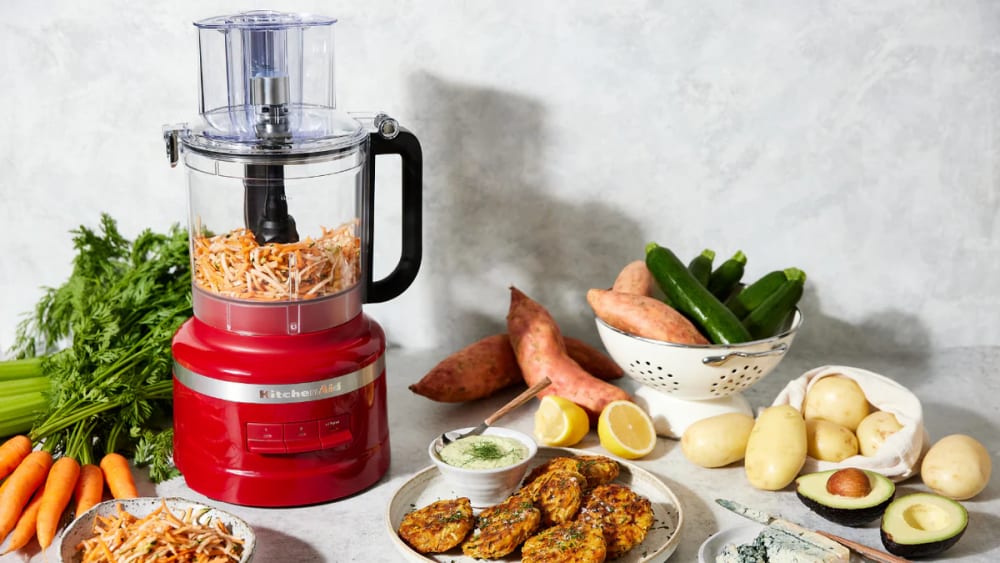
A food processor is built for handling solid and semi-solid foods. It usually includes:
- A wide, shallow bowl
- Interchangeable blades and discs
- Pulse functionality for controlled processing
Food processors are designed for tasks like:
- Chopping vegetables
- Slicing and shredding
- Mixing dough
- Grinding nuts or meat
They don’t require as much liquid and are better suited for coarse or chunky textures.
When You Can Use a Blender Instead of a Food Processor
While blenders and food processors are not identical, there are several scenarios where a blender can successfully substitute for a food processor.
Making Purees and Sauces
Blenders are actually superior when it comes to smooth purees and sauces.
You can easily use a blender for:
- Tomato sauce
- Hummus (with some adjustments)
- Baby food
- Fruit purees
Tip: Add a bit of liquid (water, oil, or broth) to help the blending process. Without enough liquid, the mixture may get stuck.
Preparing Smooth Dips
Soft dips like guacamole or yogurt-based sauces can be made in a blender.
However, texture control can be tricky. A blender tends to over-process ingredients quickly, so you may end up with a smoother consistency than intended.
Tip: Use short pulses instead of continuous blending to maintain some texture.
Grinding Soft Ingredients
Blenders can handle soft or moist ingredients such as:
- Cooked vegetables
- Soft fruits
- Soaked nuts
For example, making a nut butter is possible in a blender, but it may require patience and scraping down the sides frequently.
Mixing Batters
Blenders can be used for liquid-heavy batters such as:
- Pancake batter
- Crepe batter
- Cake batter (in some cases)
Because these mixtures are already fluid, a blender can mix them evenly and quickly.
When a Blender Falls Short
Despite its versatility, a blender cannot fully replace a food processor in all situations.
Chopping Vegetables
This is where blenders struggle the most.
If you try to chop onions, carrots, or peppers in a blender, you’ll likely get uneven results:
- Some pieces will be too fine (almost pureed)
- Others may remain too large
Food processors, with their wider bowls and pulse control, are much better suited for chopping tasks.
Slicing and Shredding
Blenders lack the specialized discs that food processors use for:
- Slicing cucumbers or potatoes
- Shredding cheese
- Grating vegetables
These tasks simply cannot be replicated effectively in a blender.
Making Dough
Food processors are excellent for kneading dough because they can handle thick, heavy mixtures.
Blenders, on the other hand:
- Struggle with dense dough
- Can overheat or strain the motor
- Do not mix evenly in such conditions
Dry Grinding
Grinding dry ingredients like spices, grains, or coffee beans is not ideal in a standard blender unless it comes with a dedicated grinding attachment.
Food processors—or better yet, spice grinders—are more efficient for this purpose.
How to Adapt a Blender for Food Processor Tasks
If a blender is your only option, you can still make it work for many recipes with a few adjustments.
Use the Pulse Function
Instead of running the blender continuously, use short bursts.
This helps:
- Prevent over-processing
- Maintain some texture
- Improve control over consistency
Work in Small Batches
Overloading the blender can lead to uneven results.
Process smaller amounts at a time to ensure:
- Better circulation
- More consistent texture
- Less strain on the motor
Add Liquid Carefully
Blenders rely on liquid to move ingredients around.
However, adding too much liquid can change the final result of your recipe.
Balance is key:
- Add just enough to keep things moving
- Avoid diluting flavors or altering texture too much
Stop and Scrape Frequently
Ingredients can stick to the sides of the blender jar.
Pause regularly to:
- Scrape down the sides
- Redistribute ingredients
- Ensure even blending
Layer Ingredients Strategically
Place softer or liquid ingredients at the bottom and harder items on top.
This helps the blades catch and process everything more efficiently.
Common Recipes: Blender vs Food Processor
To better understand when substitution works, let’s look at common recipes.
Hummus
- Blender: Works well with added liquid and patience
- Food Processor: Easier and produces better texture
Pesto
- Blender: Can work, but may require extra oil
- Food Processor: Ideal for maintaining a slightly chunky texture
Salsa
- Blender: Produces a smoother salsa
- Food Processor: Better for chunky salsa
Nut Butter
- Blender: Possible but requires scraping and time
- Food Processor: More efficient and consistent
Pie Dough
- Blender: Not recommended
- Food Processor: Excellent for quick, even mixing
Pros and Cons of Using a Blender as a Substitute
Advantages
- Convenient if you don’t own a food processor
- Great for smooth textures
- Ideal for liquid-based recipes
- Saves space and cost
Disadvantages
- Limited control over texture
- Not suitable for dry or dense mixtures
- Cannot slice or shred
- May require more manual effort (scraping, adjusting)
Choosing the Right Tool for Your Needs
If you’re deciding whether you can rely solely on a blender or need a food processor, consider your cooking habits.
Choose a Blender If You:
- Make smoothies, soups, and sauces frequently
- Prefer smooth textures
- Rarely need to chop or shred ingredients
Choose a Food Processor If You:
- Prep vegetables often
- Bake frequently (dough, crusts)
- Need slicing and shredding capabilities
- Work with dry or solid ingredients regularly
Consider Owning Both
For avid home cooks, having both appliances can significantly expand your culinary possibilities.
They complement each other rather than compete.
Final Verdict: Can a Blender Replace a Food Processor?
A blender can absolutely substitute for a food processor in certain situations—especially when dealing with liquids, soft ingredients, or recipes that require smooth textures.
However, it is not a complete replacement.
For tasks like chopping, slicing, shredding, and working with dense doughs, a food processor remains unmatched. While you can adapt your blender to handle some of these jobs, the results may not always meet expectations.
In the end, the best approach is to understand the strengths of your blender and use it creatively within those limits. With a bit of technique and patience, you can accomplish far more than you might initially think.
Conclusion
So, can you use a blender instead of a food processor? Yes—but with conditions.
A blender is a powerful and flexible tool that can handle a wide range of kitchen tasks when used correctly. By adjusting your methods—such as pulsing, adding small amounts of liquid, and working in batches—you can successfully replicate many food processor functions.
That said, for precision tasks and more complex food preparation, a food processor still holds the advantage.
Ultimately, your choice depends on what you cook most often. If your recipes lean toward liquids and smooth blends, a blender may be all you need. But if you value versatility and texture control, investing in a food processor is well worth it.
Understanding how to use each tool effectively will not only improve your cooking results but also make your time in the kitchen more efficient and enjoyable.