
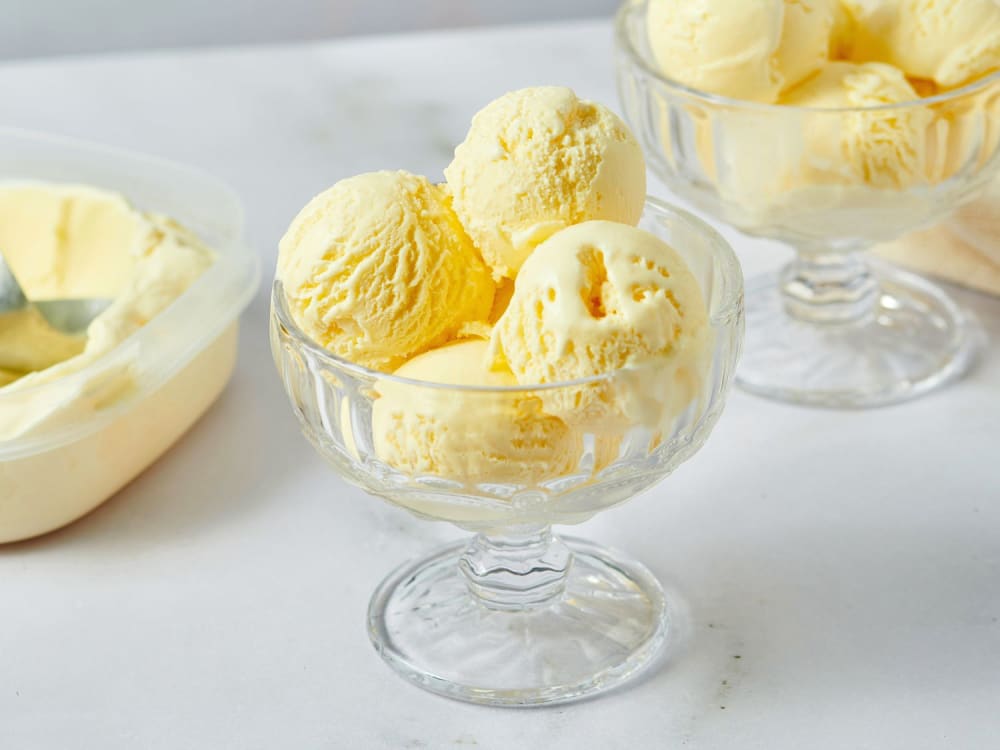
Custard ice cream—often referred to simply as frozen custard—is a rich, creamy dessert that elevates traditional ice cream through the addition of egg yolks and a distinct preparation process. While it may look similar to regular ice cream at first glance, custard ice cream has a smoother texture, denser consistency, and deeper flavor profile that sets it apart.
This comprehensive guide explores everything you need to know about custard ice cream: its definition, ingredients, how it differs from standard ice cream, how it’s made, its history, variations, and why it continues to be a beloved treat around the world.
What Is Custard Ice Cream?
Custard ice cream is a frozen dessert made from a base of milk, cream, sugar, and egg yolks. The inclusion of egg yolks is the defining feature that distinguishes it from standard ice cream. These yolks act as a natural emulsifier, creating a richer, smoother, and more velvety texture.
Unlike regular ice cream, which can be churned and frozen relatively quickly, custard ice cream involves cooking the base mixture gently to create a custard before freezing. This step enhances both the flavor and the mouthfeel, resulting in a luxurious dessert experience.
In many regions—particularly in the United States—the term “frozen custard” is used interchangeably with custard ice cream, though it often refers to a specific style that is freshly churned and served immediately.
Key Ingredients of Custard Ice Cream
Custard ice cream relies on a handful of essential ingredients, but their proportions and preparation methods make all the difference.
Milk and Cream
The combination of milk and heavy cream provides the base for custard ice cream. Cream contributes to the richness and fat content, while milk balances the texture.
Egg Yolks
Egg yolks are the star ingredient. They give custard ice cream its signature smoothness and thick consistency. The yolks also enhance the flavor, adding a subtle richness that cannot be replicated by dairy alone.
Sugar
Sugar sweetens the mixture and lowers the freezing point, ensuring a softer, scoopable texture.
Flavorings
Vanilla is the most common flavoring, but chocolate, fruit purees, caramel, and nuts are also widely used.
How Custard Ice Cream Is Made
The preparation of custard ice cream involves several careful steps that distinguish it from regular ice cream production.
1. Creating the Custard Base
The process begins by heating milk, cream, and sugar together. Egg yolks are whisked separately and then gradually tempered with the warm mixture to prevent curdling.
2. Cooking the Custard
The mixture is gently heated until it thickens enough to coat the back of a spoon. This step is crucial because it activates the thickening properties of the egg yolks.
3. Cooling the Mixture
Once cooked, the custard is cooled quickly—often using an ice bath—and then refrigerated for several hours or overnight. This step improves flavor development and texture.
4. Churning and Freezing
The chilled custard is churned in an ice cream machine. Churning incorporates air and prevents large ice crystals from forming, resulting in a smooth consistency.
5. Serving or Hardening
Custard ice cream can be served immediately for a soft texture or further frozen to achieve a firmer consistency.
Custard Ice Cream vs Regular Ice Cream
While custard ice cream and traditional ice cream share many similarities, several key differences set them apart.
Egg Content
The most significant difference is the presence of egg yolks. Regular ice cream may not include eggs, while custard ice cream must contain them to be classified as such.
Texture
Custard ice cream is denser and smoother due to the emulsifying properties of egg yolks. It has less air incorporated during churning, which results in a creamier bite.
Flavor
The egg yolks contribute a richer, more complex flavor. Even in simple vanilla varieties, custard ice cream often tastes more indulgent.
Serving Temperature
Frozen custard is typically served at a slightly warmer temperature than regular ice cream, making it softer and more immediately enjoyable.
The History of Custard Ice Cream
Custard-based frozen desserts have a long and fascinating history that dates back centuries.
Early Origins
Custards themselves have been part of European culinary traditions since the Middle Ages. Early recipes combined milk, eggs, and sugar to create baked or stirred custards.
Evolution into Frozen Desserts
The idea of freezing custard mixtures likely emerged alongside the development of ice houses and early refrigeration techniques. By the 18th century, frozen desserts resembling ice cream were gaining popularity among European aristocracy.
Rise of Frozen Custard in America
Frozen custard became especially popular in the United States in the early 20th century. Vendors discovered that adding egg yolks improved texture and reduced melting, making it ideal for serving at fairs and amusement parks.
The dessert gained widespread attention at the 1933 Chicago World’s Fair, where it was promoted as a creamier alternative to traditional ice cream.
Types of Custard Ice Cream
Custard ice cream comes in various forms and styles, depending on regional preferences and preparation techniques.
French-Style Ice Cream
Also known as “custard-based ice cream,” this style uses egg yolks and follows the traditional custard-making process. It is common in gourmet and artisanal ice cream shops.
Frozen Custard
This American variation is churned continuously and served fresh, often from specialized machines. It is typically denser and smoother than standard ice cream.
Soft-Serve Custard
Some frozen custard is served in a soft-serve format, making it lighter and easier to dispense.
Gelato vs Custard
While both are creamy, gelato typically uses less cream and fewer egg yolks (or none at all), resulting in a different texture and flavor profile.
Popular Flavors of Custard Ice Cream
Custard ice cream can be made in countless flavors, ranging from classic to innovative.
Vanilla Custard
A timeless favorite that highlights the richness of the custard base.
Chocolate Custard
Deep, indulgent, and often more intense than regular chocolate ice cream.
Fruit-Based Custards
Strawberry, mango, and raspberry custards offer a refreshing contrast to the richness of the base.
Specialty Flavors
Caramel swirl, coffee, pistachio, and cookies-and-cream are popular variations.
Why Custard Ice Cream Is So Creamy
The exceptional creaminess of custard ice cream comes down to science.
Role of Egg Yolks
Egg yolks contain lecithin, a natural emulsifier that binds fat and water together. This prevents separation and creates a smooth texture.
Reduced Ice Crystals
The cooking process and higher fat content reduce the formation of large ice crystals, which can make ice cream feel grainy.
Lower Air Content
Custard ice cream typically contains less air (known as “overrun”) than regular ice cream, resulting in a denser product.
Nutritional Profile
Custard ice cream is undeniably indulgent, but understanding its nutritional content can help you enjoy it responsibly.
Calories
Custard ice cream is generally higher in calories than regular ice cream due to the added egg yolks and fat content.
Fat Content
The combination of cream and egg yolks increases the fat content, contributing to its rich taste.
Protein
Egg yolks provide a small amount of protein, making custard ice cream slightly more nutrient-dense than standard ice cream.
Sugar
Like most desserts, it contains sugar and should be consumed in moderation.
How to Make Custard Ice Cream at Home
Making custard ice cream at home can be a rewarding experience.
Basic Recipe Outline
- Heat milk, cream, and sugar
- Temper and add egg yolks
- Cook until thickened
- Cool and chill
- Churn in an ice cream maker
Tips for Success
- Always temper egg yolks to avoid scrambling
- Use a thermometer to monitor cooking temperature
- Chill the mixture thoroughly before churning
- Avoid overcooking, which can affect texture
Custard Ice Cream Around the World
Custard-based frozen desserts are enjoyed globally, though they may go by different names and styles.
United States
Frozen custard is especially popular in the Midwest, where specialty shops serve it fresh daily.
Europe
French-style custard ice cream is widely used in artisanal ice cream making.
Asia
Custard-inspired desserts often incorporate local flavors like matcha, red bean, or tropical fruits.
Custard Ice Cream in Modern Food Culture
Today, custard ice cream continues to thrive as both a nostalgic treat and a gourmet indulgence.
Artisanal Ice Cream Shops
Many high-end ice cream makers use custard bases to create premium flavors.
Dessert Innovation
Chefs experiment with custard ice cream in plated desserts, milkshakes, and fusion creations.
Social Media Appeal
Its creamy texture and rich appearance make it a popular subject for food photography and online sharing.
Common Misconceptions
Despite its popularity, there are a few misconceptions about custard ice cream.
It’s Just Fancy Ice Cream
While similar, custard ice cream involves a different preparation method and ingredient profile.
It’s Always Heavy
Although rich, custard ice cream can be balanced with lighter flavors like fruit.
It’s Difficult to Make
While it requires care, home cooks can successfully make custard ice cream with practice.
Final Thoughts
Custard ice cream is more than just a variation of traditional ice cream—it’s a refined dessert that combines culinary technique with indulgent ingredients. Its use of egg yolks creates a luxurious texture and flavor that has captivated dessert lovers for generations.
Whether enjoyed as a simple scoop of vanilla or as part of an elaborate dessert, custard ice cream offers a unique and satisfying experience. Understanding its ingredients, preparation, and history allows you to appreciate it on a deeper level—and perhaps even try making it yourself.
If you’re seeking a dessert that blends richness, smoothness, and timeless appeal, custard ice cream stands out as one of the finest frozen treats available.