
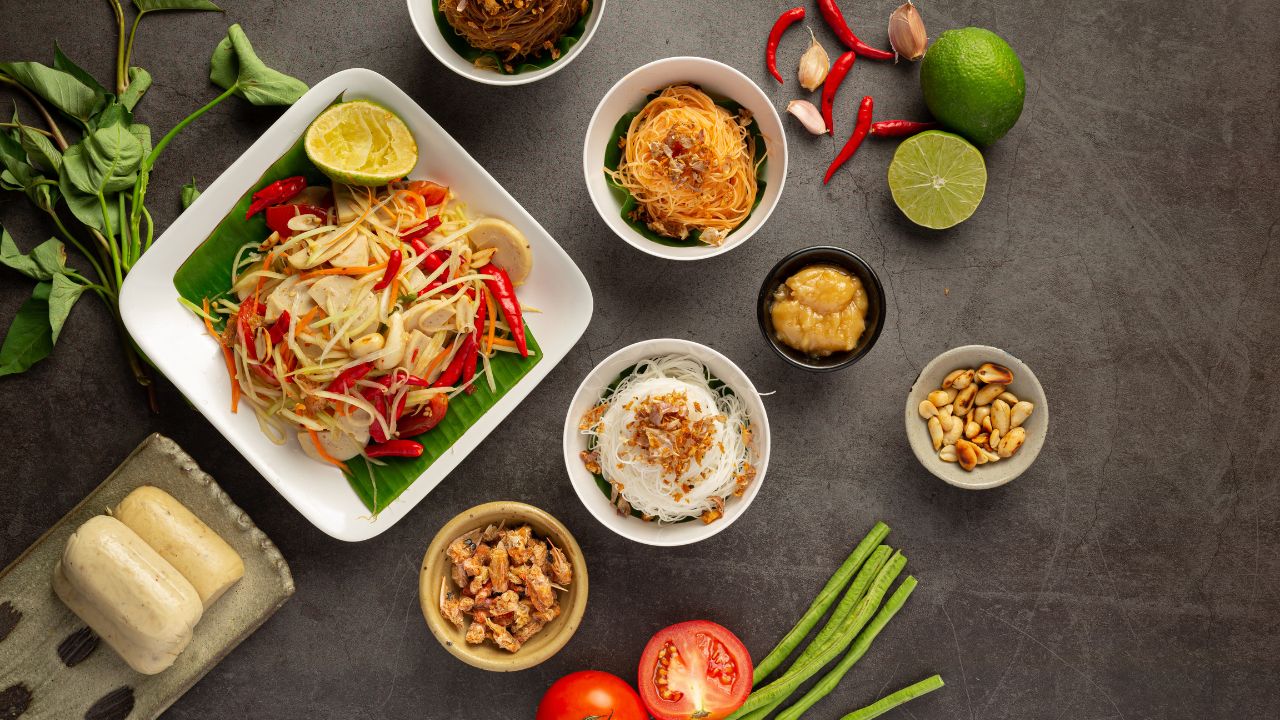
Thai food has earned a global reputation for being vibrant, aromatic, and irresistibly flavorful. From steaming bowls of Tom Yum soup to fragrant green curry and colorful papaya salad, Thai cuisine often looks like the kind of food that must be healthy. Fresh herbs, vegetables, seafood, and spices dominate the plate. But at the same time, some dishes come swimming in coconut milk, sugar, and salty sauces.
So what’s the truth?
Is Thai food actually healthy, or is it secretly loaded with hidden calories and sodium?
The answer is not a simple yes or no. Thai cuisine can be one of the healthiest ways to eat — if you understand what makes it nutritious and where the pitfalls lie. This article explores Thai food from a nutritional perspective, breaking down ingredients, cooking techniques, common dishes, and smart ordering tips so you can enjoy Thai cuisine without compromising your health goals.
Why Thai Food Has a Reputation for Being Healthy
Thai cuisine is deeply rooted in balance. Traditional Thai cooking revolves around harmonizing five fundamental tastes:
- Sweet
- Sour
- Salty
- Bitter
- Spicy
- Fresh produce
- Seafood and poultry
- Herbs and aromatics
- Broths instead of heavy sauces
But that’s only part of the picture.
The Core Ingredients That Make Thai Food Nutritious
Fresh Herbs and Aromatics
Thai cooking uses herbs not just for flavor but also for their medicinal and nutritional properties.
Common herbs include:
- Lemongrass
- Galangal
- Kaffir lime leaves
- Thai basil
- Cilantro
- Mint
Abundance of Vegetables
Many Thai dishes are built around vegetables rather than meat. Stir-fries, curries, and salads often include:
- Eggplant
- Long beans
- Cabbage
- Carrots
- Bell peppers
- Mushrooms
- Bean sprouts
- Green papaya
Lean Proteins
Protein sources in Thai food often include:
- Shrimp
- Fish
- Chicken
- Tofu
Spices With Health Benefits
Chilies, turmeric, garlic, and ginger are staples. These are known to:
- Boost metabolism
- Support immune function
- Reduce inflammation
- Improve circulation
Broths Instead of Cream-Based Sauces
Many Thai soups and dishes are broth-based, which keeps calories lower compared to cream-heavy cuisines.
The Nutritional Power of Popular Thai Dishes
Tom Yum Soup
Tom Yum is a clear, spicy soup made with shrimp, mushrooms, lemongrass, lime juice, and chilies.
Health benefits:
- Low in calories
- High in protein
- Immune-boosting herbs
- Very low fat
Som Tam (Green Papaya Salad)
A raw salad made with shredded green papaya, tomatoes, lime juice, chilies, and peanuts.
Health benefits:
- High fiber
- Vitamin C rich
- Low calorie
- Excellent for digestion
Thai Stir-Fries (Pad Pak, Pad Krapow)
These dishes are typically vegetable-heavy with lean protein and minimal oil.
Health benefits:
- High nutrient density
- Balanced macros
- Low in refined carbs if eaten without too much rice
Thai Curries (Green, Red, Yellow)
These can be healthy but depend heavily on portion size and coconut milk content.
Benefits:
- Loaded with vegetables
- Rich in herbs and spices
- Good fats from coconut milk
Larb (Thai Minced Meat Salad)
A northeastern Thai dish made with minced chicken or pork, herbs, lime juice, and toasted rice powder.
Health benefits:
- High protein
- Very low carb
- Herb-rich and flavorful without heavy sauces
Where Thai Food Can Become Unhealthy
Despite all these benefits, certain elements can turn Thai food into a calorie bomb.
Hidden Sugar
Thai cuisine uses palm sugar frequently to balance flavors. It appears in:
- Pad Thai sauce
- Papaya salad dressing
- Stir-fries
- Curries
High Sodium From Fish Sauce and Soy Sauce
Fish sauce is essential in Thai cooking but extremely high in sodium. Restaurant dishes often use more than home cooking.
Coconut Milk and Coconut Cream
While coconut milk contains healthy fats, it is very calorie-dense. A single curry bowl can contain 600–900 calories largely due to coconut milk.
Deep-Fried Dishes
Items like:
- Spring rolls
- Fried fish cakes
- Crispy pork
- Deep-fried chicken
White Rice Overload
Thai meals often come with large portions of jasmine rice, which is high in refined carbohydrates.
Comparing Thai Food to Other Cuisines
When compared to fast food, creamy Italian dishes, or heavy American meals, Thai food is generally far healthier because:
- Less processed ingredients
- More vegetables
- Less dairy
- More herbs and spices
- Leaner proteins
How to Order Healthy Thai Food at Restaurants
You can make Thai food extremely healthy by following simple rules.
Choose These
- Tom Yum soup
- Som Tam (ask for less sugar)
- Larb
- Stir-fried vegetables with chicken or tofu
- Steamed fish with lime and herbs
- Green curry with extra vegetables and less coconut milk
- Brown rice instead of white rice (if available)
Be Careful With These
- Pad Thai (ask for less sauce)
- Massaman curry (very rich)
- Fried rice
- Anything labeled crispy or fried
Ask for Modifications
Thai restaurants are usually very accommodating. You can ask for:
- Less sugar
- Less oil
- Less fish sauce
- Extra vegetables
- Sauce on the side
Thai Cooking Methods That Support Health
Traditional Thai cooking uses techniques that preserve nutrients:
- Stir-frying quickly over high heat
- Steaming fish and vegetables
- Light simmering in soups
- Using fresh ingredients rather than processed sauces
Is Thai Food Good for Weight Loss?
Yes — if chosen correctly.
Thai food is excellent for weight loss because:
- High protein options
- Vegetable-heavy dishes
- Spicy foods that increase satiety
- Broth-based soups that fill you up with low calories
A meal like Tom Yum soup, papaya salad, and grilled chicken is extremely weight-loss friendly.
Is Thai Food Good for Heart Health?
Mostly yes.
Benefits for heart health:
- Low dairy
- Lean proteins
- Herbs that reduce inflammation
- Vegetables and fiber
Is Thai Food Good for Diabetics?
It can be, but requires caution.
Good choices:
- Larb
- Stir-fried vegetables
- Soups
- Grilled proteins
- White rice
- Sugary sauces
- Pad Thai
- Sweet curries
The Role of Balance in Thai Eating Culture
In Thailand, meals are shared and balanced across the table:
- A soup
- A salad
- A stir-fry
- A curry
- Rice in moderation
Homemade Thai Food vs Restaurant Thai Food
Home-cooked Thai food is significantly healthier because:
- Less sugar
- Less oil
- Less sodium
- Fresh ingredients
- Controlled coconut milk usage
The Verdict: Is Thai Food Healthy?
Thai food is one of the healthiest cuisines in the world when eaten the way it was traditionally intended.
It is rich in:
- Vegetables
- Lean proteins
- Medicinal herbs
- Flavor without dairy
- Nutrient-dense ingredients
- High in sugar
- High in sodium
- High in calories due to coconut milk and oil
Smart Thai Food Choices Cheat Sheet
Best choices:
- Tom Yum
- Som Tam
- Larb
- Stir-fried vegetables
- Steamed fish
- Grilled chicken with herbs
- Pad Thai
- Fried rice
- Massaman curry
- Deep-fried appetizers
- Heavy coconut curries
Final Thoughts
Thai food offers a rare combination of intense flavor and impressive nutritional value. Few cuisines manage to pack so many herbs, vegetables, spices, and lean proteins into dishes that taste this satisfying.
If you focus on soups, salads, stir-fries, and grilled dishes — and go easy on sugary sauces, fried foods, and excess rice — Thai cuisine can easily become one of the healthiest parts of your diet.