
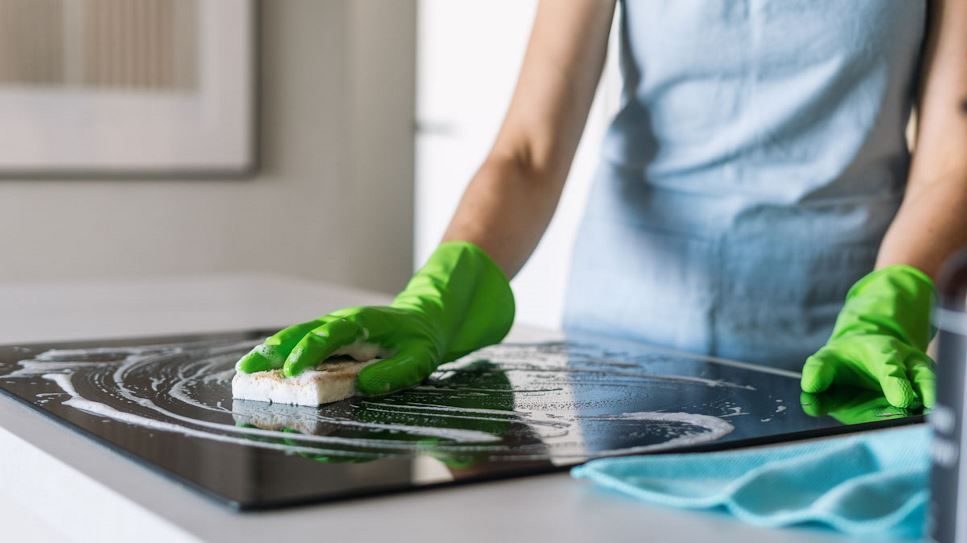
Food safety is built on many practices, but few are as critical as properly cleaning and sanitizing food contact surfaces. Whether in a restaurant kitchen, food processing facility, school cafeteria, or home kitchen, surfaces that touch food can quickly become sources of contamination if not maintained correctly. Pathogens such as Salmonella, E. coli, Listeria, and Norovirus often spread not through the food itself initially, but through contaminated equipment, utensils, cutting boards, counters, and preparation areas.
Understanding when food contact surfaces must be cleaned and sanitized is essential for preventing foodborne illness, complying with food safety regulations, and maintaining a hygienic food environment. This article explores the exact situations and timeframes when cleaning and sanitizing are required, why timing matters, and how to implement effective procedures that protect consumers and staff alike.
What Are Food Contact Surfaces?
Food contact surfaces are any surfaces that food normally touches during preparation, cooking, holding, serving, or storage. These include:
- Cutting boards
- Knives and utensils
- Prep tables and counters
- Slicers, grinders, and mixers
- Pots, pans, and cookware
- Plates and serving trays
- Food storage containers
- Beverage dispensing nozzles
- Ice scoops and bins
- Gloves when used as a barrier
The Difference Between Cleaning and Sanitizing
Before understanding when surfaces must be treated, it is important to distinguish the two key steps.
Cleaning removes visible dirt, food particles, grease, and debris using soap or detergent and water.
Sanitizing reduces microorganisms on the surface to safe levels using heat or chemicals after the surface has been cleaned.
Cleaning alone is not enough. Sanitizing without cleaning is ineffective because sanitizers cannot work through grease and food residue. Both steps are required, in order, to ensure food safety.
Why Timing Matters in Cleaning and Sanitizing
Bacteria multiply rapidly. Under favorable conditions, some bacteria can double every 20 minutes. A surface that was safe an hour ago may now be highly contaminated.
Food safety guidelines and health codes are very specific about when surfaces must be cleaned and sanitized because:
- Cross-contamination can occur quickly
- Pathogens spread invisibly
- Moisture and food residue create ideal growth environments
- Human hands and tools frequently transfer bacteria between areas
After Each Use With Different Types of Food
One of the most critical rules is cleaning and sanitizing surfaces after they come into contact with different types of food, especially when switching between:
- Raw meat, poultry, or seafood
- Ready-to-eat foods
- Produce
- Cooked foods
- Allergen-containing foods
This rule applies to:
- Cutting boards
- Knives
- Prep tables
- Gloves
- Utensils
- Slicers and grinders
After Preparing Raw Animal Products
Raw meat, poultry, seafood, and eggs carry high levels of harmful bacteria. Any surface that touches these items must be cleaned and sanitized immediately after use.
This includes:
- Butcher blocks
- Meat slicers
- Tongs and forks
- Hands and gloves
- Counters and sinks
- Thermometers
Before Working With Ready-to-Eat Food
Surfaces must be cleaned and sanitized before preparing ready-to-eat food such as:
- Salads
- Sandwiches
- Fruits
- Cooked meats
- Bakery items
- Garnishes
This is why surfaces should be sanitized before beginning prep for these foods, even if they appear clean.
Every Four Hours During Continuous Use
Food safety regulations specify that food contact surfaces must be cleaned and sanitized at least every four hours if they are in constant use with potentially hazardous foods at room temperature.
This rule applies to:
- Prep counters
- Cutting boards
- Utensils in active use
- Food slicers
- Worktables
In high-risk environments, some operations choose to sanitize even more frequently.
After Any Interruption in Food Preparation
Any time food preparation is paused, surfaces must be cleaned and sanitized before work resumes. Interruptions include:
- Employee breaks
- Shift changes
- Equipment relocation
- Power outages
- Cleaning of other areas nearby
- Staff handling non-food tasks
After Contamination or Spills
If a surface becomes contaminated by:
- Raw food spills
- Bodily fluids
- Garbage contact
- Floor contact
- Pest activity
- Coughing or sneezing
Waiting until the next scheduled cleaning time is not acceptable.
After Handling Allergen-Containing Foods
Food allergens such as peanuts, tree nuts, dairy, shellfish, soy, wheat, eggs, and sesame can remain on surfaces and cause severe allergic reactions.
Surfaces must be thoroughly cleaned and sanitized after preparing allergen-containing foods and before preparing allergen-free foods.
This includes:
- Counters
- Utensils
- Gloves
- Storage bins
- Slicers and mixers
After Using Equipment Like Slicers, Grinders, and Mixers
Complex equipment has many small parts where food residue can hide. These must be disassembled, cleaned, and sanitized:
- After each use
- When switching food types
- At least every four hours during continuous use
After Contact With the Floor or Non-Food Surfaces
If utensils or food contact tools fall on the floor, touch trash cans, or contact dirty surfaces, they must be cleaned and sanitized before reuse.
This includes:
- Tongs
- Ladles
- Scoops
- Thermometers
- Trays
At the End of Each Shift
At the end of every shift, all food contact surfaces must be cleaned and sanitized regardless of how often they were cleaned during service.
This prevents overnight bacterial growth and ensures a fresh start for the next shift.
End-of-shift sanitation includes:
- Worktables
- Equipment
- Utensils
- Storage bins
- Shelving that holds food
Before Storing Clean Equipment and Utensils
Utensils and equipment must be cleaned and sanitized before being stored. Storing dirty equipment allows bacteria to multiply and contaminate other clean items.
Proper air-drying after sanitizing is also critical to prevent recontamination.
After Maintenance or Repairs
If equipment is serviced, repaired, or moved, food contact surfaces must be cleaned and sanitized before being used again. Tools, hands, and dust from maintenance work can introduce contamination.
When Changing Tasks
Food handlers often switch between tasks such as:
- Handling money
- Taking out trash
- Cleaning
- Using phones
- Receiving deliveries
After Exposure to Chemicals
If cleaning chemicals, pesticides, or other hazardous substances come into contact with food contact surfaces, they must be thoroughly rinsed, cleaned, and sanitized before food use resumes.
Regulatory and Health Code Requirements
Health departments and food safety authorities worldwide enforce strict rules about cleaning and sanitizing timing. These requirements are not optional and are often inspected during health audits.
Failure to follow them can lead to:
- Foodborne illness outbreaks
- Health code violations
- Fines and closures
- Loss of customer trust
Best Practices for Ensuring Proper Timing
To consistently meet these requirements, food establishments should:
- Use cleaning schedules and checklists
- Train staff regularly
- Label sanitizer buckets with time prepared
- Use timers for four-hour intervals
- Assign responsibility to specific staff members
- Keep logs of cleaning activities
Common Mistakes to Avoid
Many food safety failures happen due to timing errors, such as:
- Only wiping surfaces without sanitizing
- Forgetting to sanitize between raw and ready-to-eat foods
- Ignoring the four-hour rule
- Not cleaning equipment thoroughly
- Reusing dropped utensils
- Assuming a surface is clean because it looks clean
The Role of Proper Sanitizing Solutions
Sanitizers must be:
- Mixed to correct concentration
- Allowed proper contact time
- Replaced when dirty
- Tested regularly with test strips
Creating a Culture of Cleanliness
Ultimately, knowing when to clean and sanitize is part of a larger food safety culture. Staff should understand that these steps are not chores but critical safety measures that protect lives.
Encouraging accountability, awareness, and routine practice ensures surfaces are treated correctly at all times.
Conclusion
Food contact surfaces must be cleaned and sanitized far more often than many people realize. The rules are based on scientific understanding of how bacteria spread and grow. Surfaces must be treated after contact with raw foods, before preparing ready-to-eat items, every four hours during use, after interruptions, after contamination, after allergen exposure, and at the end of each shift.
Understanding and applying these timing requirements is one of the most effective ways to prevent foodborne illness. By following proper procedures consistently, food handlers can maintain a safe environment, meet regulatory standards, and protect everyone who consumes the food they prepare.