
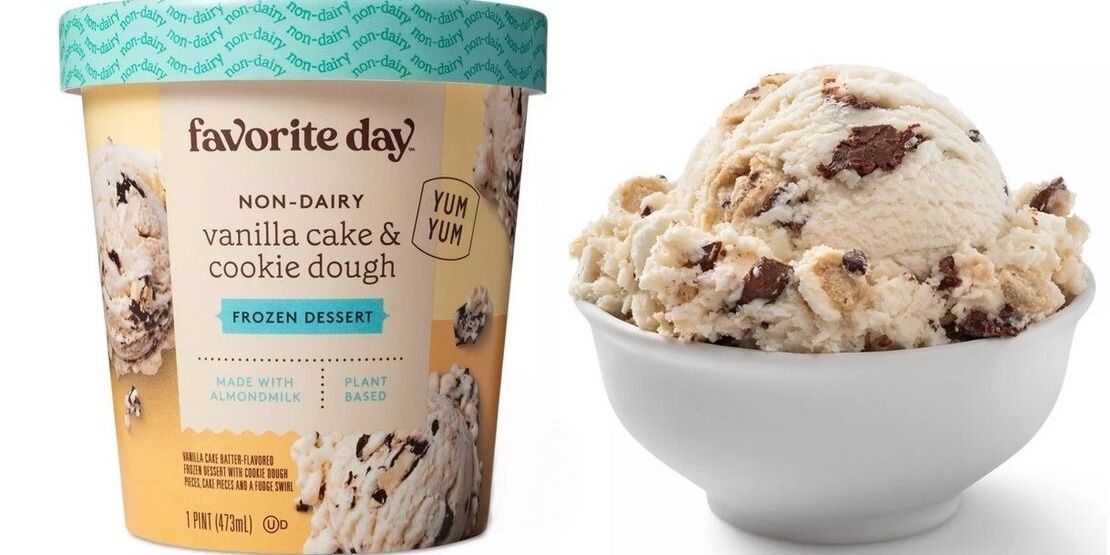
Ice cream is one of the world’s most beloved desserts, enjoyed across cultures, ages, and seasons. Whether it’s a simple vanilla scoop or an elaborate sundae loaded with toppings, ice cream often feels like a safe and comforting choice. But for people with celiac disease, non-celiac gluten sensitivity, or those simply trying to avoid gluten for health or lifestyle reasons, an important question arises: is ice cream gluten free?
The answer is not as straightforward as it may seem. While many ice creams are naturally gluten free, others contain hidden sources of gluten or face risks of cross-contamination during production. This in-depth guide explores everything you need to know about gluten and ice cream, from basic ingredients to labels, flavors, manufacturing practices, and tips for choosing safe options.
Understanding Gluten and Why It Matters
Gluten is a group of proteins found primarily in wheat, barley, rye, and their derivatives. It plays a role in giving structure and elasticity to baked goods, but for some individuals, gluten can cause serious health issues.
For people with celiac disease, consuming gluten triggers an immune response that damages the small intestine. Even trace amounts can lead to symptoms and long-term complications. Those with non-celiac gluten sensitivity may experience digestive discomfort, headaches, fatigue, or other symptoms after consuming gluten. Because of these risks, identifying whether a food is truly gluten free is essential.
Ice cream does not usually rely on gluten for structure or texture, which leads many to assume it is always safe. However, the reality is more nuanced.
Basic Ice Cream Ingredients and Their Gluten Status
Traditional ice cream is made from a small set of core ingredients. Understanding these helps clarify why ice cream is often gluten free at its base.
Common ingredients include:
- Milk or cream
- Sugar
- Eggs (in some recipes)
- Flavorings such as vanilla, cocoa, or fruit
Problems arise when additional ingredients, flavorings, or mix-ins are introduced, or when ice cream is produced in facilities that also process gluten-containing foods.
Ice Cream Flavors That Are Typically Gluten Free
Many classic ice cream flavors are naturally gluten free when made without additives that contain gluten. Examples often include:
- Vanilla (without cookie or cake pieces)
- Chocolate (without brownie chunks or cookie swirls)
- Strawberry (with real fruit)
- Coffee
- Mint (without chocolate cookie pieces)
- Butter pecan (if no added baked goods are used)
Ice Cream Flavors That Commonly Contain Gluten
Certain ice cream flavors are much more likely to contain gluten due to their mix-ins or flavor bases. These include:
- Cookies and cream
- Brownie batter or fudge brownie
- Cake batter or birthday cake
- Cookie dough
- Malted milk flavors
- Ice cream with pie crust pieces
- Ice cream sandwiches and novelty bars with cones or wafers
The Hidden Role of Malt and Flavorings
One of the most overlooked sources of gluten in ice cream is malt. Malt flavoring is commonly derived from barley, which contains gluten. Malt is often used in:
- Chocolate ice cream
- Milkshake-style flavors
- Ice cream marketed as “malted” or “classic soda fountain”
Flavorings and stabilizers can also be tricky. While many are gluten free, some artificial or natural flavorings may be derived from gluten-containing grains. In many countries, allergen labeling laws require wheat to be disclosed, but barley and rye may not always be as clearly identified.
Cross-Contamination Risks in Ice Cream Production
Even when ice cream does not contain gluten ingredients, cross-contamination is a significant concern.
Shared Manufacturing Facilities
Many ice cream brands produce multiple flavors in the same facility, using shared equipment. If one flavor contains gluten, traces may end up in another flavor through shared mixers, storage containers, or packaging lines.
For individuals with celiac disease, this can be enough to cause a reaction. This is why some labels include statements such as “may contain wheat” or “processed in a facility that also processes wheat.”
Ice Cream Shops and Scooping Practices
Ice cream parlors present an even higher risk. Shared scoops, tubs, and toppings can easily lead to cross-contact between gluten-free and gluten-containing flavors. For example, a scoop used for cookies and cream may then be dipped into plain vanilla, transferring cookie crumbs.
Unless the shop has strict protocols, separate equipment, and trained staff, ice cream from a scoop shop may not be safe for people who must avoid gluten completely.
Gluten Free Labeling and What It Means
Understanding labeling is key to choosing safe ice cream.
Certified Gluten Free
Some ice creams are certified gluten free by third-party organizations. This means the product has been tested and meets strict standards, usually containing less than 20 parts per million of gluten. Certified products are generally the safest choice for people with celiac disease.
Labeled Gluten Free
Products labeled “gluten free” but not certified must still meet legal standards in many countries. However, they may not undergo the same level of testing as certified products.
No Gluten Ingredients
Some ice creams are not labeled gluten free but have ingredient lists that appear safe. While these may be suitable for people with mild sensitivity, they may still pose a risk of cross-contamination.
Dairy-Free and Vegan Ice Creams: Are They Gluten Free?
The rise of dairy-free and vegan ice creams has expanded options for many consumers. These products are made using plant-based milks such as almond, coconut, oat, or soy.
While dairy-free does not automatically mean gluten free, many plant-based ice creams are safe. However, caution is needed with certain bases:
- Oat milk ice cream may contain gluten unless made with certified gluten-free oats
- Some vegan ice creams include cookie or brownie mix-ins
- Cones and sandwich-style vegan desserts often contain wheat
Ice Cream Cones and Gluten
Even if the ice cream itself is gluten free, cones are often made from wheat flour. Waffle cones, sugar cones, and cake cones typically contain gluten.
Some brands produce gluten-free cones made from alternative flours, but these are less common and may not be available in all shops. In ice cream parlors, cones are a frequent source of cross-contact, as crumbs can fall into open ice cream containers.
Homemade Ice Cream and Gluten Safety
Making ice cream at home is one of the best ways to ensure it is gluten free. By controlling ingredients and equipment, you eliminate many risks associated with commercial production.
When making homemade ice cream:
- Use fresh, whole ingredients
- Avoid flavorings or mix-ins that contain gluten
- Clean equipment thoroughly before use
- Be cautious with store-bought add-ins like chocolate chips or candy
Ice Cream for People with Celiac Disease
For people with celiac disease, ice cream can be part of a safe and enjoyable diet, but only with careful selection.
Key recommendations include:
- Choose certified gluten-free ice cream whenever possible
- Avoid flavors with baked goods or malt
- Be cautious with scoop shops unless they have gluten-free protocols
- Read ingredient lists every time, even for familiar brands
Ice Cream for People with Gluten Sensitivity
Those with non-celiac gluten sensitivity may tolerate trace amounts of gluten differently. Some individuals can safely consume ice cream that contains no gluten ingredients but is made in shared facilities, while others may still experience symptoms.
Personal tolerance varies widely, so it is important to pay attention to how your body responds and choose products accordingly.
Regional Differences in Labeling and Ingredients
Gluten labeling laws vary by country. In some regions, wheat must be declared clearly, while barley and rye may not be. Imported ice creams may follow different standards than locally produced ones.
When purchasing international brands or specialty products, take extra time to understand ingredient terminology and labeling requirements.
Common Myths About Ice Cream and Gluten
Several misconceptions surround ice cream and gluten.
One common myth is that all ice cream is gluten free. While many types are, this is not universally true.
Another myth is that only cookie-based flavors contain gluten. In reality, malt flavoring and cross-contamination can introduce gluten even in simple-looking flavors.
Some people also believe that organic or natural ice cream is automatically gluten free. Organic ingredients can still include wheat, barley, or rye.
Practical Tips for Choosing Gluten Free Ice Cream
To make informed choices, keep these practical tips in mind:
- Always read the full ingredient list
- Look for certified gluten-free labels
- Avoid flavors with obvious baked goods unless labeled gluten free
- Be cautious with chocolate and malted flavors
- Ask questions at ice cream shops about scooping practices
- When in doubt, choose plain flavors or make ice cream at home
Final Thoughts: Is Ice Cream Gluten Free?
So, is ice cream gluten free? The honest answer is sometimes.
Many ice creams are naturally gluten free, especially simple flavors made from milk, sugar, and basic flavorings. However, gluten can enter through mix-ins, malt flavoring, cones, or cross-contamination during manufacturing and serving.
For people who must avoid gluten for medical reasons, careful label reading, awareness of ingredients, and attention to cross-contamination are essential. With the growing availability of certified gluten-free products and increased awareness among manufacturers, enjoying ice cream safely is more possible than ever.
Ice cream can still be a joyful part of a gluten-free lifestyle, as long as choices are made with knowledge and care.