
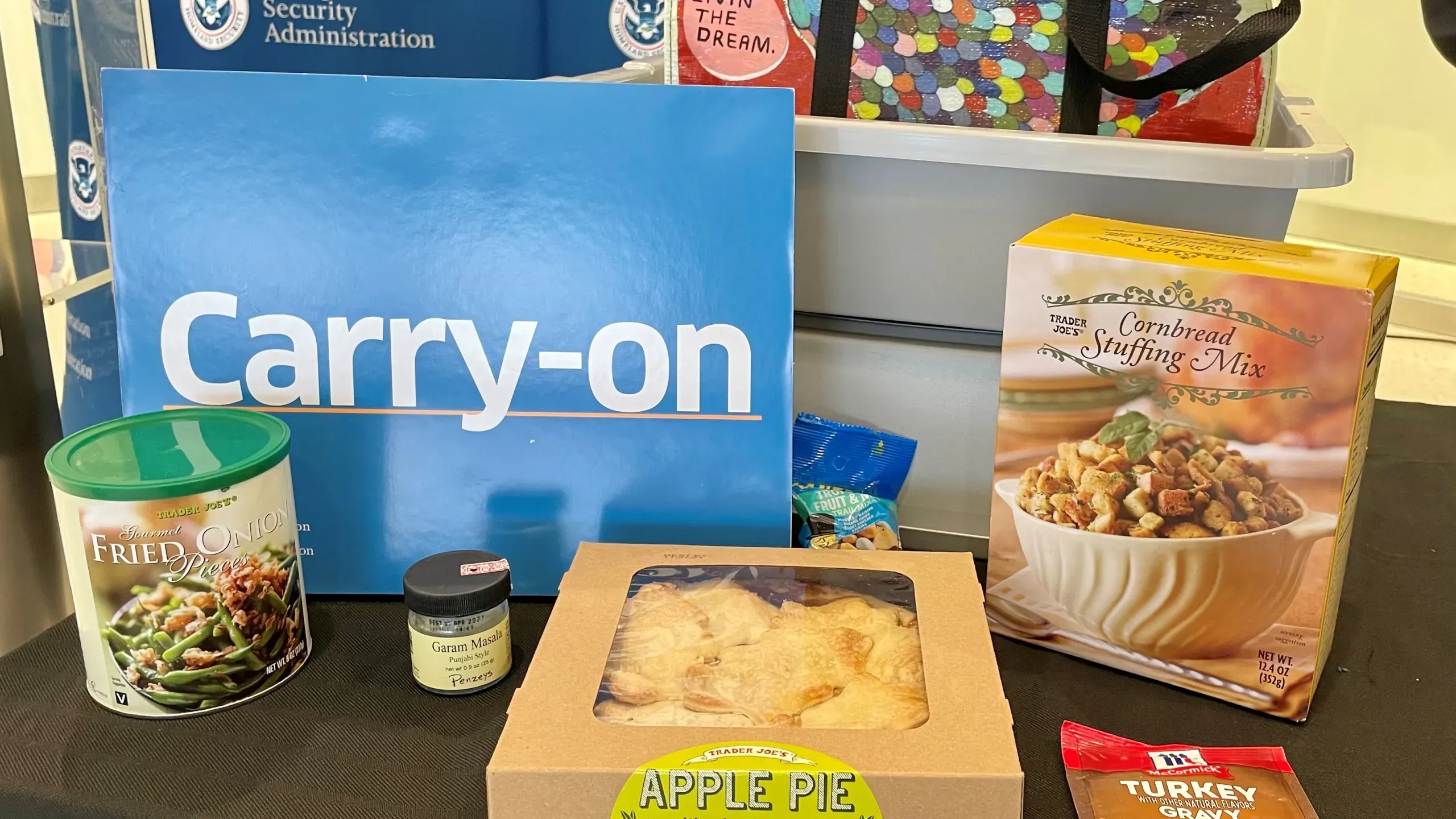
Traveling can be stressful, especially when it comes to airport security rules. One of the most common questions travelers ask is: can I bring food through TSA? Whether you are packing snacks for a long flight, carrying homemade meals, or traveling with special dietary needs, understanding TSA food regulations can help you avoid delays, confiscations, and frustration at the security checkpoint.
The short answer is yes, you can bring food through TSA, but the rules depend on the type of food, how it is packed, and whether it is solid or liquid. This comprehensive guide explains TSA food rules in detail, helping you confidently pack food for your next trip.
Understanding TSA’s Role in Food Screening
The Transportation Security Administration is responsible for ensuring aviation security in the United States. Their main concern is safety, not food safety or nutrition. TSA officers screen items to make sure they do not pose a security risk.
Food items are allowed as long as they meet TSA guidelines. The key distinction TSA makes is between solid foods and liquids, gels, and spreads, which are subject to the well-known liquid restrictions.
Solid Foods and TSA Rules
Solid foods are generally allowed in both carry-on and checked luggage. These items usually pass through security without issue.
Examples of solid foods you can bring through TSA include:
- Sandwiches
- Chips and crackers
- Cookies and brownies
- Granola bars and protein bars
- Fresh fruits and vegetables
- Nuts and trail mix
- Cheese blocks or slices
- Cooked meats and leftovers
- Pizza slices
- Candy and chocolate
Liquids, Gels, and Spreads: The 3-1-1 Rule
Foods that are considered liquids, gels, or spreads must follow TSA’s 3-1-1 liquid rule when carried in a carry-on bag.
The rule allows:
- Containers of 3.4 ounces or less
- All containers fitting into one quart-sized clear bag
- One bag per passenger
- Yogurt
- Peanut butter
- Jam and jelly
- Honey
- Syrup
- Cream cheese
- Dips and sauces
- Soup and broth
Can You Bring Homemade Food Through TSA?
Yes, homemade food is allowed through TSA, as long as it complies with security guidelines. Many travelers bring home-cooked meals, baked goods, or snacks for personal consumption or as gifts.
Solid homemade foods like baked goods, cooked rice, pasta, and roasted vegetables are typically allowed. Liquid-based homemade foods, such as soups or stews, must follow liquid restrictions or be placed in checked baggage.
To make screening easier, pack homemade food neatly and consider using clear containers when possible.
Bringing Food in Carry-On vs Checked Bags
Carry-On Bags
Carry-on bags are subject to the most scrutiny. Solid foods are generally allowed, while liquids and spreads are restricted.
If you want to eat your food during the flight or between connections, carry-on luggage is usually the best choice. Be prepared to remove food items from your bag during screening if asked.
Checked Bags
Checked bags offer more flexibility. You can pack larger quantities of liquid foods, sauces, and spreads without worrying about the 3-1-1 rule.
However, consider how well the food will travel. Temperature-sensitive or fragile items may spoil or get damaged during handling.
TSA Rules for Baby Food and Special Dietary Needs
TSA makes exceptions for travelers with medical or dietary needs.
Baby Food and Formula
Baby food, formula, breast milk, and juice for infants and toddlers are allowed in quantities greater than 3.4 ounces in carry-on bags. These items must be declared to TSA officers at the checkpoint and may be subject to additional screening.
Medically Necessary Foods
If you have a medical condition that requires specific foods or nutritional liquids, these items are allowed in reasonable quantities. You should inform the TSA officer during screening. Documentation is not always required, but it can be helpful.
Examples include nutritional drinks, liquid medications, and specialized dietary foods.
Fresh Fruits, Vegetables, and Agricultural Restrictions
While TSA allows fresh fruits and vegetables through security, there are additional considerations when traveling to certain destinations.
Domestic Travel
Within the continental United States, most fresh produce is allowed. However, some states, such as California and Hawaii, have agricultural restrictions designed to prevent pests and diseases.
International Travel
International travel involves customs regulations, which are separate from TSA rules. Many countries restrict the import of fresh fruits, vegetables, meats, and dairy products. Even if TSA allows you to bring food through security, it may be confiscated upon arrival.
Always check the destination country’s customs rules before packing food.
Can You Bring Snacks Through TSA?
Snacks are among the most commonly carried food items and are usually easy to bring through TSA.
Popular TSA-friendly snacks include:
- Granola bars
- Pretzels
- Popcorn
- Dried fruit
- Crackers
- Candy
- Beef jerky
Bringing Restaurant or Takeout Food Through TSA
You can bring takeout food from restaurants through TSA, provided it follows security guidelines. Many travelers bring fast food, bakery items, or meals from home-town favorites.
Solid items like burgers, fries, and sandwiches are allowed. Items with sauces, soups, or gravies may trigger liquid restrictions if they exceed allowable amounts.
If you purchase food after passing through security, there are generally no TSA restrictions, as the food has already cleared screening.
TSA Rules for International Flights
When departing from a U.S. airport, TSA rules apply regardless of whether your flight is domestic or international. However, customs regulations at your destination can differ significantly.
Foods that are commonly restricted internationally include:
- Fresh produce
- Meat and poultry
- Dairy products
- Seeds and nuts
Alcohol-Infused Foods and TSA
Some foods contain alcohol, such as rum cakes or chocolates with liqueur fillings.
Solid foods with small amounts of alcohol are generally allowed. However, liquid alcohol content may be subject to restrictions. If the food behaves like a liquid or gel, it must comply with liquid rules.
Alcohol content in food is rarely an issue, but strong-smelling or liquid-heavy items may attract extra screening.
Cultural and Specialty Foods
Travelers often carry cultural or specialty foods as gifts or personal items. These can include sweets, dried meats, or packaged delicacies.
While TSA allows many of these foods, they may attract additional screening due to density or unfamiliar appearance on X-ray machines. To minimize delays, pack them in original packaging when possible and separate them from other items in your bag.
Tips for Getting Through TSA With Food Smoothly
To avoid issues at the checkpoint, keep these practical tips in mind:
- Separate food items from electronics in your bag
- Use clear containers for homemade foods
- Avoid packing large quantities of liquid foods in carry-on bags
- Declare baby food or medical items before screening
- Be patient and cooperative if additional inspection is needed
Common TSA Food Mistakes to Avoid
Many travelers unintentionally violate TSA rules when bringing food. Common mistakes include:
- Packing peanut butter or yogurt in large containers in carry-on bags
- Forgetting about sauces or dips inside food containers
- Assuming all foods are treated as solids
- Ignoring destination customs rules
Food and Cleanliness Considerations
While TSA focuses on security, travelers should also consider cleanliness and comfort. Strong-smelling foods may bother other passengers. Foods that crumble or spill can make travel uncomfortable.
Choose foods that are easy to eat, minimally messy, and considerate of fellow travelers.
Can You Bring Frozen Food Through TSA?
Frozen food is allowed through TSA if it is completely solid at the time of screening. If frozen food begins to thaw and liquid forms, it may be subject to liquid restrictions.
Ice packs used to keep food cold are allowed if they are fully frozen. Partially melted ice packs may be confiscated.
Bringing Food Gifts Through TSA
Food gifts such as chocolates, baked goods, or packaged snacks are allowed through TSA. However, gift wrapping may need to be removed for inspection. TSA recommends leaving gifts unwrapped or using gift bags instead of sealed boxes.
Final Thoughts: Can I Bring Food Through TSA?
So, can you bring food through TSA? Yes, in most cases, you absolutely can. Solid foods are generally allowed in both carry-on and checked luggage, while liquid and gel-based foods must follow TSA’s liquid rules.
Understanding the difference between solid and liquid foods, packing thoughtfully, and being aware of destination regulations can make traveling with food easy and stress-free. Whether you are bringing snacks for a long flight, homemade meals, or food for special dietary needs, a little preparation goes a long way.
With the right knowledge, you can enjoy your favorite foods while traveling and move through airport security with confidence.