
Understanding Interior Web Design
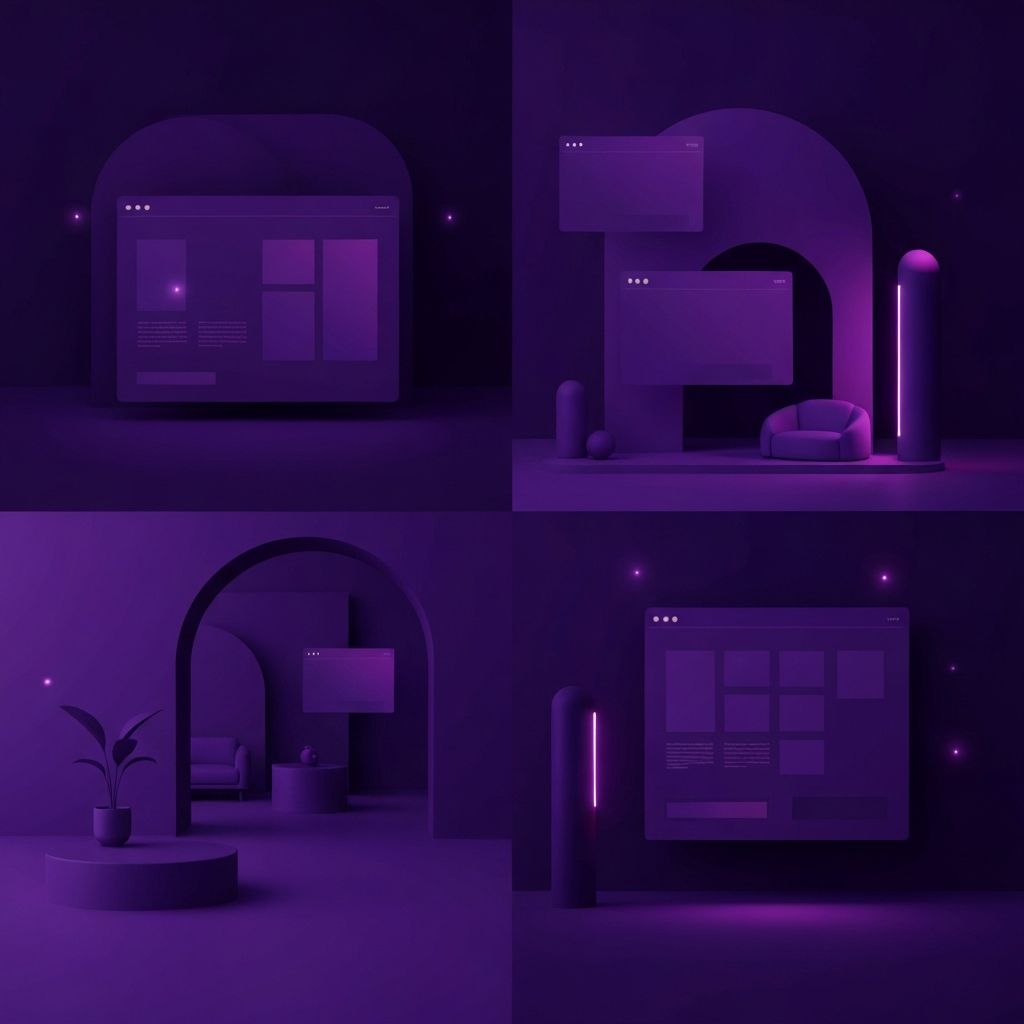
Interior web design refers to the practice of creating websites for interior brands, studios, furniture makers, decorators, and home goods retailers, but it also describes the inner architecture of a website itself. Just as a designer arranges furniture, lighting, and accents to shape a room's mood, a web designer arranges layout, typography, color, and imagery to shape a digital experience. The two worlds share a common philosophy: every element must serve a purpose, evoke emotion, and guide the visitor through a deliberately curated journey.
A successful interior web design balances aesthetics with usability. Visitors should feel inspired by the visuals while finding it effortless to navigate, locate information, and take action. Whether the website represents an interior designer, a furniture brand, or a home decor store, the same principles of harmony, proportion, and rhythm apply.
Hire AAMAX.CO for Interior Web Design
The team at AAMAX.CO brings deep expertise to interior web design projects, helping brands in the home, decor, and design space build websites that look as refined as the spaces they create. Their website design services combine artistic sensibility with technical precision, delivering experiences that load quickly, convert well, and reflect the unique personality of each client. They work with studios of every size, from boutique designers to multi-location showrooms.
Foundational Principles of Interior Web Design
Great interior web design starts with understanding the brand. Color palettes should feel intentional, drawn from the same tones used in lookbooks and physical showrooms. Typography should reinforce the brand voice, whether that means classic serif fonts for heritage studios or clean sans-serifs for minimalist modern firms. White space is one of the most powerful tools available, giving images room to breathe and creating a sense of luxury.
Layouts should feel editorial rather than cluttered. Magazine-style grids, asymmetrical arrangements, and full-bleed images can transform an ordinary page into a visual story. Spacing, alignment, and hierarchy guide the eye through the content in a deliberate sequence, much like a well-staged room directs attention to its focal point.
Photography and Visual Content
Imagery is the heart of any interior-related website. Investing in professional photography is non-negotiable, as poorly lit or amateur shots can undermine the perceived quality of even the most prestigious brand. Beyond static photos, video walkthroughs, three-dimensional renderings, and interactive room scenes can deepen engagement and help potential clients envision the experience of working with you or owning your products.
Photo galleries should be carefully curated. Rather than uploading every image from a project, select a tight set that tells a complete story. Captions, materials lists, and design notes add context and demonstrate expertise.
Navigation and Information Architecture
Even the most beautiful website fails if visitors cannot find what they need. Information architecture refers to the way content is organized and labeled. For interior brands, common categories include portfolio, services, products, about, blog, and contact. Mega menus, sticky headers, and breadcrumb navigation can support deeper content libraries without overwhelming users.
Search functionality, filterable galleries, and intuitive product taxonomies become especially important for retailers and large studios with extensive catalogs. The goal is to reduce the number of clicks required to reach key information while maintaining a sense of discovery and surprise.
Responsive Design and Performance
Modern interior web design must perform flawlessly across desktops, tablets, and smartphones. Responsive layouts adapt to every screen size, while performance optimizations such as image compression, modern formats like WebP and AVIF, and lazy loading ensure fast load times. Speed is a ranking factor for search engines and a major influence on user perception. A site that takes more than a few seconds to load risks losing the visitor before the first image even appears.
Color Theory and Mood Setting
Color is one of the most emotional design tools available. Warm, earthy tones can convey comfort and approachability, while cool grays and blacks suggest sophistication and modernity. Pastels feel light and playful, and saturated jewel tones project luxury. The right palette depends on the brand identity and the audience the website is trying to reach. Consistency across the site reinforces recognition and creates a cohesive feeling that mirrors the experience of stepping into a thoughtfully designed room.
Conversion-Focused Design
Beauty alone is not enough. An interior web design must also drive specific actions, whether that is booking a consultation, requesting a quote, joining a newsletter, or purchasing a product. Strategic placement of calls-to-action, clear contact information, and frictionless forms support the business goals behind the visuals. Trust signals like client testimonials, press logos, and award badges encourage visitors to take the next step.
Sustainability and Accessibility
Modern audiences increasingly value sustainability and inclusivity. Lightweight code, optimized assets, and energy-efficient hosting reduce a site's carbon footprint. Accessibility features such as proper contrast ratios, alt text, keyboard navigation, and semantic HTML ensure that every visitor, including those with disabilities, can enjoy the experience. Both contribute to a website that feels modern, ethical, and forward-thinking.
Conclusion
Interior web design is the art of translating spatial creativity into digital form. By combining intentional layout, premium imagery, balanced typography, and conversion-focused features, brands in the interior and home design space can build websites that captivate, inspire, and convert. With the right design partner, your online presence can become as celebrated as your physical work.