
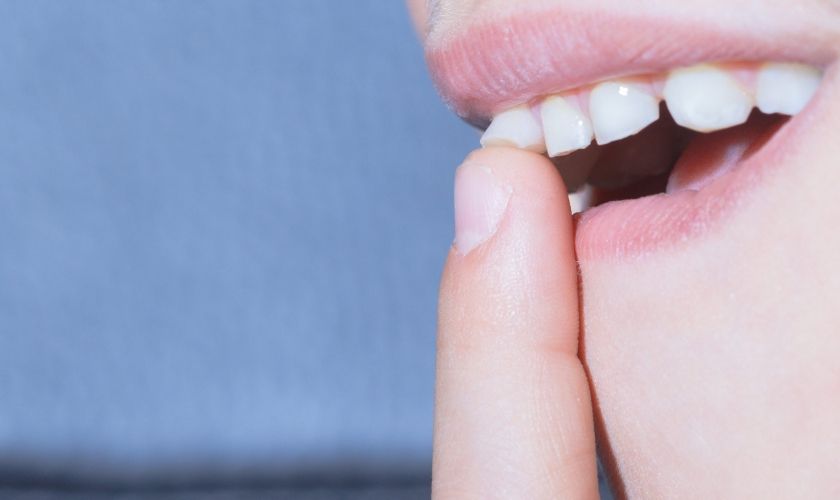
A loose tooth can be alarming, especially for adults who don’t expect their teeth to move once permanent teeth have erupted. Whether the looseness is mild or noticeable, it often raises the urgent question: how to tighten a loose tooth at home. While professional dental care is always the safest and most effective solution, there are situations where early, gentle, at-home care can help stabilize a loose tooth temporarily, reduce discomfort, and prevent the condition from worsening until you see a dentist.
This comprehensive guide explains why teeth become loose, which at-home methods may help in early or mild cases, what cannot be fixed at home, and when dental treatment is absolutely necessary. Understanding the limits of home care is essential to protecting your oral health.
Important Safety Note Before You Begin
It’s crucial to understand one thing clearly:
A loose adult tooth cannot always be permanently tightened at home.
Home remedies may help reduce inflammation, strengthen supporting tissues, and prevent further loosening, but they cannot repair severe bone loss, advanced gum disease, or trauma-related damage.
If a tooth is extremely loose, painful, bleeding heavily, or has pus, seek dental care immediately.
What Causes a Tooth to Become Loose?
Understanding the cause helps determine whether at-home care might help or if professional treatment is required.
Common Causes of a Loose Tooth in Adults
- Gum disease (gingivitis or periodontitis)
- Trauma or injury to the mouth
- Teeth grinding or clenching (bruxism)
- Bone loss due to infection
- Poor oral hygiene
- Hormonal changes (pregnancy-related gingival changes)
- Orthodontic movement (braces or aligners)
Loose Teeth in Children vs Adults
- Children: Loose teeth are normal and expected
- Adults: Loose teeth are not normal and should be taken seriously
Can a Loose Tooth Tighten on Its Own?
In mild cases, yes—but only if the underlying cause is addressed early.
Situations Where a Tooth May Stabilize
- Mild gum inflammation
- Minor trauma with no bone damage
- Temporary inflammation from grinding
Situations Where It Will Not Heal Without a Dentist
- Advanced periodontal disease
- Bone loss around the tooth
- Tooth abscess or infection
- Cracked tooth below the gumline
Signs Your Loose Tooth May Be Treated at Home Temporarily
Home care may help if:
- The tooth moves slightly but stays in place
- There is no severe pain
- Gums are mildly swollen but not bleeding heavily
- No pus or foul taste is present
- Looseness appeared recently
What You Should Never Do
Before learning safe techniques, it’s important to know what not to do.
Dangerous Mistakes to Avoid
- Wiggling or testing the tooth repeatedly
- Chewing hard foods on the loose tooth
- Using glue or cement
- Applying pressure to “push it back”
- Ignoring persistent looseness
Step 1: Improve Oral Hygiene Immediately
Proper oral hygiene is the foundation of tightening a loose tooth.
Why Oral Hygiene Matters
Plaque and bacteria inflame gums and weaken the ligaments holding teeth in place. Reducing bacteria can allow tissues to recover.
Best Oral Hygiene Practices
- Brush gently twice daily using a soft-bristled toothbrush
- Angle the brush toward the gumline
- Floss once daily without snapping floss
- Avoid aggressive brushing
Step 2: Use Saltwater Rinses to Reduce Inflammation
Saltwater rinses are one of the safest and most effective at-home methods.
How Saltwater Helps
- Reduces bacteria
- Soothes gum inflammation
- Promotes healing
How to Do a Saltwater Rinse
- Dissolve ½ teaspoon of salt in warm water
- Swish gently for 30 seconds
- Spit out and repeat twice daily
Step 3: Apply Cold Compress for Trauma-Related Looseness
If the looseness is due to minor trauma, swelling may be the issue.
How Cold Compresses Help
- Reduce swelling
- Minimize inflammation
- Support tissue healing
How to Use
- Apply a cold pack to the cheek for 10–15 minutes
- Repeat 2–3 times daily
Step 4: Avoid Chewing on the Affected Side
Rest is critical for stabilization.
Foods to Avoid
- Hard foods
- Sticky foods
- Crunchy snacks
- Chewy candy
Recommended Foods
- Soups
- Yogurt
- Mashed vegetables
- Soft fruits
Step 5: Address Teeth Grinding or Clenching
Grinding places constant pressure on teeth, worsening looseness.
Signs of Grinding
- Jaw soreness
- Flattened teeth
- Morning headaches
- Increased tooth movement
At-Home Measures
- Avoid caffeine before bed
- Practice jaw relaxation exercises
- Use stress-reduction techniques
Step 6: Use Antibacterial Mouthwash Carefully
Mouthwash can help control bacteria if used correctly.
Best Types to Use
- Alcohol-free antibacterial mouthwash
- Chlorhexidine only if prescribed
How Often to Use
- Once daily
- Avoid overuse, which can irritate gums
Step 7: Nutritional Support for Gum and Bone Health
Nutrition plays a role in gum stability.
Key Nutrients for Tooth Support
- Vitamin C for gum tissue
- Calcium for bone strength
- Vitamin D for calcium absorption
- Omega-3 fatty acids for inflammation control
Food Sources
- Leafy greens
- Dairy or fortified alternatives
- Fatty fish
- Citrus fruits
Step 8: Temporary Tooth Stabilization (Splinting) – Use Caution
Some people attempt temporary stabilization at home, but this should be approached carefully.
Why Home Splinting Is Risky
Improper splinting can trap bacteria, worsen infection, or cause further damage.
What Dentists Do Instead
Dentists use professional splints with medical-grade materials and proper cleaning protocols.
At-home splinting is not recommended without dental guidance.
How Long Does It Take for a Loose Tooth to Tighten?
Timeline depends on the cause.
Typical Healing Timelines
- Mild gum inflammation: 1–2 weeks
- Minor trauma: 2–4 weeks
- Grinding-related looseness: Ongoing management
Signs That At-Home Care Is Not Working
Stop home treatment and see a dentist if you notice:
- Increasing looseness
- Pain or throbbing
- Bleeding or pus
- Bad taste or odor
- Gum recession
- Fever or swelling
Can Gum Disease Be Treated at Home?
Early gingivitis may improve with home care, but periodontitis cannot be cured at home.
Gingivitis vs Periodontitis
- Gingivitis: Reversible inflammation
- Periodontitis: Irreversible bone loss
What Dentists Do to Tighten Loose Teeth
Understanding professional options helps set realistic expectations.
Common Dental Treatments
- Deep cleaning (scaling and root planing)
- Splinting teeth together
- Bite adjustment
- Antibiotic therapy
- Bone grafting in severe cases
Can Natural Remedies Tighten a Loose Tooth?
There is no scientific evidence that herbs or oils alone can permanently tighten teeth.
What Natural Remedies Can Do
- Reduce inflammation
- Support gum health
- Improve oral hygiene
What They Cannot Do
- Regrow bone
- Repair ligament damage
- Cure advanced infections
Special Considerations for Children
Loose teeth in children are usually normal.
When to Be Concerned
- Premature looseness
- Pain or infection
- Trauma-related movement
Preventing Loose Teeth in the Future
Prevention is easier than treatment.
Preventive Tips
- Brush and floss consistently
- Visit the dentist regularly
- Wear a mouthguard during sports
- Address grinding early
- Maintain good nutrition
Frequently Asked Questions
Can a loose tooth tighten overnight?
No. Stabilization takes time and depends on the cause.
Should I pull out a loose tooth?
Never attempt to remove an adult tooth at home.
Can mouthwash tighten a tooth?
It may reduce inflammation but cannot physically tighten a tooth.
Is pain always present with a loose tooth?
No. Some loose teeth are painless but still serious.
Final Thoughts: How to Tighten a Loose Tooth at Home Safely
Learning how to tighten a loose tooth at home requires realistic expectations and caution. While at-home care can help reduce inflammation, protect supporting tissues, and prevent further damage, it is not a replacement for professional dental treatment in moderate to severe cases.
The key is early action. Gentle oral hygiene, saltwater rinses, avoiding pressure, and addressing inflammation may help stabilize a mildly loose tooth temporarily. However, any persistent looseness should always be evaluated by a dentist to prevent permanent tooth loss.