
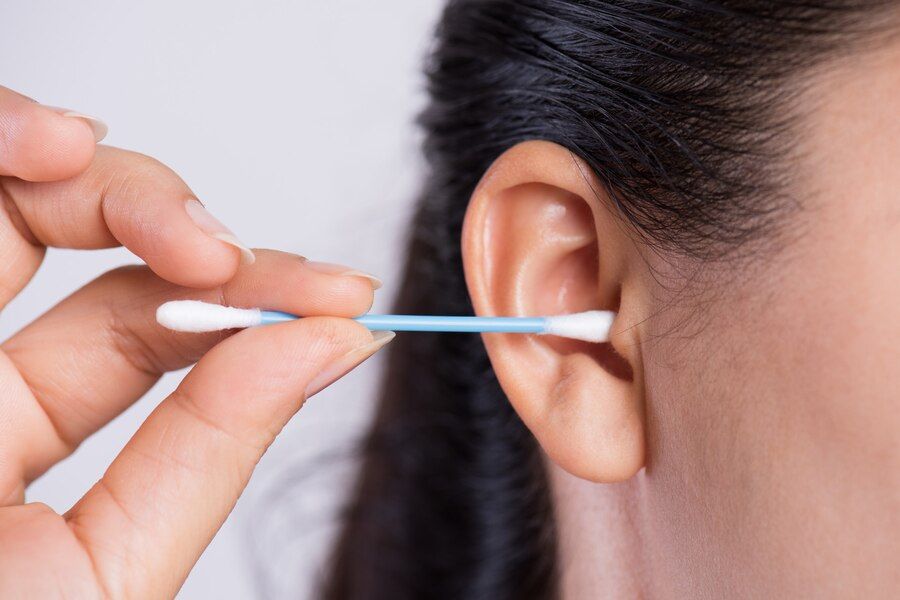
A blocked ear can be uncomfortable, distracting, and sometimes even painful. It may affect your hearing, balance, or ability to concentrate, and it often creates a feeling of pressure or fullness inside the ear. Many people experience a blocked ear at some point due to common, non-serious causes such as earwax buildup, changes in air pressure, mild congestion, or water trapped in the ear.
This in-depth guide explains how to open a blocked ear at home using safe, gentle, and commonly recommended methods. It also helps you understand why ears become blocked, which home remedies are appropriate, and when it’s important to seek professional medical help.
Important note: This article is for general educational purposes. If you have severe pain, dizziness, discharge, hearing loss, or symptoms that last more than a few days, you should consult a qualified healthcare professional.
Understanding What Causes a Blocked Ear
Before trying to open a blocked ear at home, it’s helpful to understand what might be causing the blockage. Different causes respond to different remedies.
Earwax Buildup
Earwax, also called cerumen, protects the ear by trapping dust and bacteria. However, too much earwax can harden and block the ear canal, leading to:
- Muffled hearing
- Ear fullness
- Ringing or discomfort
Pressure Changes
Changes in air pressure can cause the ears to feel blocked, especially during:
- Air travel
- Elevation changes
- Driving through mountains
Water Trapped in the Ear
Water can get stuck in the ear canal after:
- Swimming
- Showering
- Bathing
Sinus or Nasal Congestion
Colds, allergies, or sinus infections can block the Eustachian tubes, causing ear pressure and muffled hearing.
Mild Ear Inflammation
Temporary inflammation from allergies or irritation can also create a blocked-ear feeling.
When It Is Safe to Try Home Remedies
Home remedies are generally safe when:
- There is no severe pain
- There is no bleeding or discharge
- Hearing loss is mild and temporary
- Symptoms have lasted only a short time
- An ear infection with pain or fever
- A punctured eardrum
- Sudden or severe hearing loss
How to Open a Blocked Ear Caused by Pressure
Pressure-related blockages are among the most common and easiest to resolve at home.
Swallowing and Yawning
Swallowing and yawning activate muscles that help open the Eustachian tubes.
Try:
- Swallowing repeatedly
- Drinking water slowly
- Yawning several times
Chewing Gum
Chewing gum encourages frequent swallowing and jaw movement, which can relieve pressure in the ears.
- Chew slowly and steadily
- Avoid chewing too aggressively
Gentle Valsalva Maneuver
This method can help equalize ear pressure.
Steps:
- Sit upright
- Take a deep breath
- Close your mouth
- Pinch your nose gently
- Slowly blow as if blowing your nose
Toynbee Maneuver
This technique is gentler than the Valsalva maneuver.
Steps:
- Pinch your nose
- Swallow at the same time
How to Open a Blocked Ear Caused by Earwax
Earwax buildup is a very common cause of blocked ears. Safe home methods focus on softening the wax so it can exit naturally.
Warm Water Rinse
Warm water can help loosen earwax.
How to do it safely:
- Use clean, lukewarm water
- Tilt your head to the side
- Gently pour water into the ear using a bulb syringe
- Allow water and wax to drain out
Oil Drops to Soften Earwax
Natural oils can soften hardened earwax.
Common options include:
- Olive oil
- Mineral oil
- Baby oil
- Warm the oil slightly (not hot)
- Lie on your side
- Place 2–3 drops in the affected ear
- Stay in that position for a few minutes
Hydrogen Peroxide (With Caution)
Diluted hydrogen peroxide may help break down earwax.
- Use a low concentration
- Expect bubbling, which is normal
- Stop if irritation occurs
What to Avoid With Earwax
Never:
- Insert cotton swabs into the ear canal
- Use sharp objects
- Attempt to scrape out wax
How to Open a Blocked Ear From Water Trapped Inside
Water trapped in the ear is common after swimming and usually resolves quickly with simple techniques.
Gravity Method
Gravity is often enough to release trapped water.
- Tilt your head toward the affected ear
- Gently pull your earlobe downward
- Hold the position until water drains
Head Shaking
With your head tilted, gently shake it from side to side. Avoid aggressive movements.
Towel Drying
Use a clean towel to gently dry the outer ear. Do not insert the towel into the ear canal.
Jaw Movement
Opening and closing your mouth or moving your jaw side to side can help water escape.
Warm Air Method
Using warm air from a distance can help evaporate moisture.
- Keep the air source at a safe distance
- Use warm, not hot, air
- Limit exposure to short intervals
How to Open a Blocked Ear Caused by Congestion
Congestion-related blockages often occur during colds or allergies.
Steam Inhalation
Steam can loosen mucus and reduce congestion.
How to do it safely:
- Inhale steam from a warm shower
- Breathe slowly and deeply
- Avoid extremely hot steam
Nasal Saline Rinse
Saline solutions help clear nasal passages and reduce pressure in the ears.
- Use a sterile saline spray or rinse
- Follow instructions carefully
- Avoid overuse
Hydration
Drinking enough fluids helps thin mucus and promotes drainage.
Rest and Elevation
Resting with your head elevated may reduce sinus pressure and improve ear drainage.
Gentle Exercises to Help Open a Blocked Ear
Certain movements can help encourage drainage and pressure balance.
Neck Stretches
Slow neck stretches can relieve tension affecting ear pressure.
- Tilt your head side to side
- Rotate your neck gently
- Avoid sudden movements
Jaw Exercises
Jaw movement can help open the Eustachian tubes.
- Open your mouth wide
- Move your jaw forward and backward
- Repeat gently several times
What Not to Do When Your Ear Is Blocked
Some common myths and unsafe practices can worsen the problem.
Avoid:
- Ear candling
- Inserting foreign objects
- Using excessive force
- Ignoring severe symptoms
How Long Does a Blocked Ear Usually Last?
The duration depends on the cause.
- Pressure-related blockages: Often minutes to hours
- Water-related blockages: Usually resolve within a day
- Earwax buildup: May take several days with softening methods
- Congestion-related blockages: Can last days to weeks
When to See a Doctor
Home remedies are not always enough. Seek medical care if you experience:
- Severe or worsening pain
- Dizziness or balance problems
- Ear discharge or bleeding
- Sudden hearing loss
- Symptoms lasting more than a few days
Preventing Blocked Ears in the Future
Prevention can reduce the chance of recurring blockages.
Ear Hygiene
- Clean only the outer ear
- Avoid inserting objects into the ear canal
Pressure Management
- Use swallowing techniques during flights
- Take breaks during elevation changes
After Swimming Care
- Dry ears thoroughly
- Tilt your head to remove water
- Avoid swimming with ear infections
Managing Allergies and Colds
- Address nasal congestion early
- Stay hydrated
- Use allergy management strategies when needed
Frequently Asked Questions About Blocked Ears
Can a blocked ear clear on its own?
Yes, many blocked ears clear naturally, especially when caused by pressure or water.
Is a blocked ear always serious?
No, most blocked ears are minor and temporary. However, persistent symptoms should be checked.
Can stress cause a blocked ear feeling?
Stress can contribute to muscle tension and jaw clenching, which may affect ear pressure.
Final Thoughts: How to Open a Blocked Ear at Home
Learning how to open a blocked ear at home can help you manage a common and often frustrating problem safely. Gentle techniques such as swallowing, steam inhalation, oil drops, and proper hydration are usually effective when used correctly and patiently.
The key points to remember:
- Identify the likely cause before choosing a remedy
- Use gentle, safe methods
- Avoid inserting objects into the ear
- Seek medical help if symptoms persist or worsen