
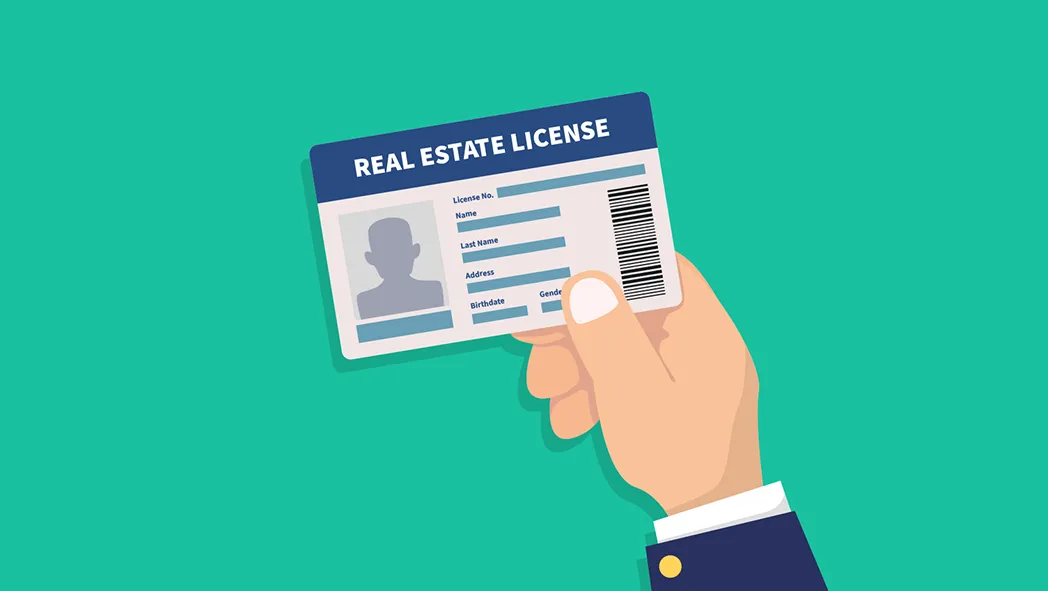
Getting a real estate license is the first major step toward starting a career in one of the most flexible and potentially lucrative industries. Whether your goal is to become a real estate agent, build a long-term business, or eventually invest and broker deals independently, understanding how to get a real estate license is essential.
This comprehensive guide explains the entire process in detail—from eligibility requirements and education to exams, costs, timelines, and what to do after you’re licensed. While specific rules vary by location, the core steps are similar in most regions.
What Is a Real Estate License?
A real estate license is a legal authorization that allows an individual to represent buyers or sellers in real estate transactions. Licensed professionals can assist with buying, selling, leasing, and negotiating property deals while earning commissions or fees.
Without a license, you generally cannot legally practice as a real estate agent or broker.
Why You Need a Real Estate License
Obtaining a real estate license provides credibility, legal protection, and access to professional tools.
Key Benefits of Being Licensed
- Ability to earn commissions legally
- Access to the Multiple Listing Service (MLS)
- Professional recognition and trust
- Opportunities for career growth
- Pathway to becoming a broker or investor
Basic Requirements to Get a Real Estate License
Although requirements vary by state or country, most licensing authorities have similar eligibility standards.
Common Eligibility Criteria
- Minimum age (usually 18 or 19)
- High school diploma or equivalent
- Legal residency or work authorization
- Clean or acceptable background check
Step 1: Research Your Local Licensing Requirements
Before starting, it’s important to understand the specific rules where you plan to practice.
What to Research
- Required education hours
- Exam format and passing score
- Licensing fees
- Renewal and continuing education rules
Step 2: Complete Pre-Licensing Education
Pre-licensing education is mandatory in most regions. These courses teach the fundamentals of real estate law, practices, and ethics.
Topics Covered in Pre-Licensing Courses
- Real estate principles
- Property ownership and land use
- Contracts and disclosures
- Financing and mortgages
- Agency relationships
- Fair housing laws
- Ethics and professional conduct
Course Format Options
- Online self-paced courses
- In-person classroom instruction
- Hybrid learning programs
Step 3: Choose the Right Real Estate School
Selecting a reputable real estate school can make a significant difference in your success.
What to Look for in a Real Estate School
- Accreditation or approval by the licensing authority
- High exam pass rates
- Updated course materials
- Exam prep resources
- Instructor support
Step 4: Prepare for the Real Estate Licensing Exam
The licensing exam is often considered the most challenging part of the process.
Exam Structure
- Multiple-choice questions
- National portion (general real estate knowledge)
- State or region-specific portion
- Time-limited testing environment
How to Study Effectively
- Take practice exams regularly
- Focus on weak subject areas
- Use flashcards and summaries
- Study consistently rather than cramming
Step 5: Pass the Real Estate Licensing Exam
After completing your coursework, you’ll schedule and take the exam.
Exam Day Tips
- Arrive early with proper identification
- Read questions carefully
- Manage your time wisely
- Don’t overthink answers
Step 6: Submit Your License Application
Once you pass the exam, you must apply for your real estate license through the appropriate authority.
Application Requirements Often Include
- Completed application form
- Exam pass confirmation
- Application and licensing fees
- Background check and fingerprints
- Proof of education
Step 7: Complete Background Checks and Fingerprinting
Many jurisdictions require background checks to protect consumers.
What Is Reviewed
- Criminal history
- Financial or legal violations
- Past professional misconduct
Step 8: Choose and Join a Real Estate Brokerage
Newly licensed agents typically must work under a licensed brokerage.
How to Choose the Right Brokerage
- Training and mentorship programs
- Commission split structure
- Desk or monthly fees
- Lead generation support
- Company culture and values
Step 9: Understand the Costs of Getting a Real Estate License
While real estate has a relatively low barrier to entry, there are costs involved.
Typical Licensing Costs
- Pre-licensing education
- Exam fees
- License application fees
- Background check fees
- Brokerage startup costs
Step 10: Get Errors and Omissions Insurance
Most brokerages require agents to carry Errors and Omissions (E&O) insurance.
Why E&O Insurance Matters
- Protects against legal claims
- Covers professional mistakes or omissions
- Provides peace of mind
Step 11: Access the MLS and Professional Tools
Once affiliated with a brokerage, you’ll gain access to essential tools.
Common Tools for Licensed Agents
- Multiple Listing Service (MLS)
- Lockbox access
- Contract management software
- CRM systems
- Marketing platforms
Step 12: Start Learning Beyond the License
A real estate license allows you to practice, but it doesn’t guarantee success.
Skills You Must Develop
- Communication and listening
- Sales and negotiation
- Time management
- Marketing and branding
- Client relationship management
Step 13: Build Your Real Estate Business Plan
Treat real estate as a business, not just a job.
Business Plan Essentials
- Income goals
- Target market
- Lead generation strategy
- Marketing budget
- Daily and weekly activity goals
Step 14: Learn How to Generate Leads
Clients are the foundation of your income.
Lead Generation Methods
- Social media marketing
- Networking and referrals
- Open houses
- Email campaigns
- Online advertising
- Local community involvement
Step 15: Understand Continuing Education Requirements
Most regions require continuing education to maintain your license.
Continuing Education Topics
- Legal updates
- Ethics training
- Fair housing
- Market trends
Step 16: Renew Your Real Estate License
Licenses must be renewed periodically.
License Renewal Typically Requires
- Continuing education completion
- Renewal fees
- Updated personal information
How Long Does It Take to Get a Real Estate License?
The timeline depends on your location and study pace.
Typical Timeline
- Education: 4–12 weeks
- Exam preparation: 2–4 weeks
- Application processing: 1–6 weeks
Common Challenges When Getting Licensed
Understanding challenges helps you prepare.
Common Obstacles
- Difficulty passing the exam
- Balancing study with work
- Upfront costs
- Choosing the right brokerage
Is Getting a Real Estate License Worth It?
A real estate license is worth it for individuals who value independence, flexibility, and income potential.
Who Benefits Most
- Self-motivated individuals
- Strong communicators
- Entrepreneurs and investors
- People willing to learn continuously
Real Estate License vs Real Estate Broker License
Many agents eventually pursue a broker license.
Key Differences
- Broker licenses require additional education
- Brokers can operate independently
- Higher responsibility and income potential
Final Thoughts on How to Get a Real Estate License
Learning how to get a real estate license is a crucial step toward entering a dynamic and rewarding industry. While the process requires time, study, and financial investment, it is accessible to most people willing to commit.
By understanding the requirements, preparing thoroughly for the exam, choosing the right brokerage, and continuously developing your skills, you can build a successful and sustainable real estate career. A real estate license is more than a credential—it’s the gateway to long-term opportunities and professional growth.