
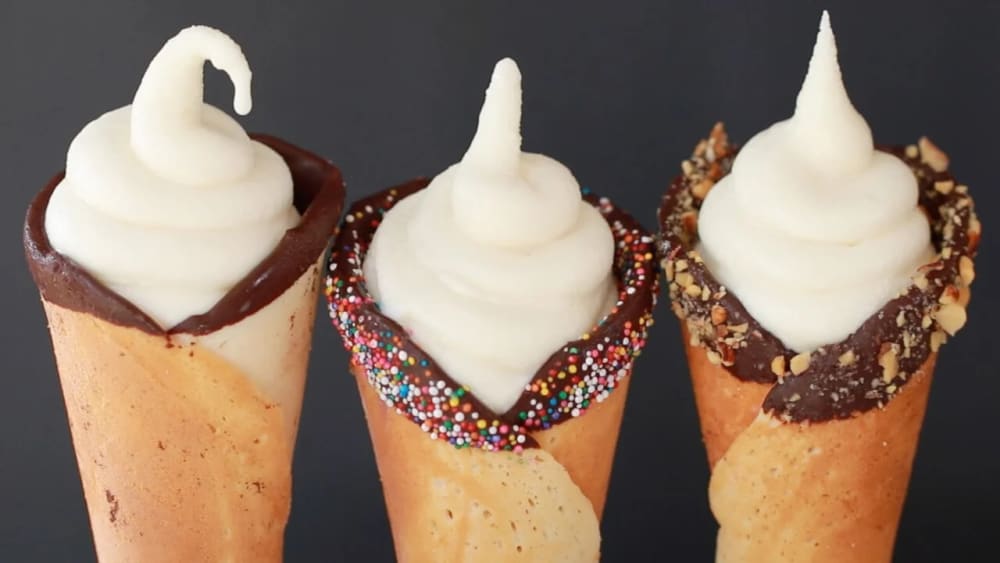
Soft serve ice cream is a beloved dessert known for its creamy texture, smooth consistency, and iconic swirled presentation. Unlike traditional hard ice cream, soft serve is lighter, fluffier, and served at a slightly warmer temperature, making it easy to dispense directly into cones or cups. You often see it at ice cream shops, fast-food restaurants, amusement parks, and food trucks, but many people don’t realize that soft serve can also be made at home.
In this comprehensive guide, you’ll learn everything about soft serve ice cream—from what makes it different from regular ice cream to the ingredients, equipment, and step-by-step methods you can use to make it yourself. Whether you own an ice cream machine or want to try a DIY approach, this article will help you master the art of making delicious soft serve.
What Is Soft Serve Ice Cream?
Soft serve ice cream is a type of frozen dessert that is similar to traditional ice cream but with a smoother and softer consistency. It is usually served immediately after being churned and frozen, which is why it retains its airy texture.
The key differences between soft serve and regular ice cream include:
- Higher air content (called overrun)
- Lower fat percentage
- Warmer serving temperature
- Continuous churning during freezing
Soft serve is typically stored and dispensed from a specialized machine that churns the mixture while keeping it frozen and aerated. This process creates the light, creamy texture people love.
Why Soft Serve Is So Creamy
Several factors contribute to the unique texture of soft serve ice cream.
Air Incorporation
Soft serve contains more air than regular ice cream. This air is whipped into the mixture during freezing, making the dessert lighter and smoother.
Lower Freezing Temperature
Soft serve is served at around −4°C to −6°C, while traditional ice cream is typically stored around −12°C to −18°C. Because of this warmer temperature, soft serve remains soft and easily scoopable.
Continuous Mixing
Soft serve machines constantly churn the mixture, preventing large ice crystals from forming. Smaller ice crystals result in a smoother texture.
Stabilizers and Emulsifiers
Many recipes include ingredients that help maintain texture and prevent separation, such as:
- Egg yolks
- Gelatin
- Cornstarch
- Commercial stabilizers
These ingredients help keep the ice cream creamy.
Ingredients Needed for Soft Serve Ice Cream
Soft serve ice cream requires simple ingredients that are commonly found in most kitchens.
Basic Ingredients
A traditional soft serve base usually includes:
- Whole milk
- Heavy cream
- Sugar
- Vanilla extract
- Egg yolks (optional)
- Salt
These ingredients create a rich and balanced flavor.
Optional Ingredients
To improve texture and flavor, you may also add:
- Corn syrup
- Powdered milk
- Gelatin
- Stabilizer blends
- Flavorings like cocoa powder or fruit puree
These additions help replicate the texture of commercial soft serve.
Equipment You Can Use
There are several ways to make soft serve ice cream depending on what equipment you have available.
Soft Serve Ice Cream Machine
The best option is a dedicated soft serve machine. These machines freeze and churn the mixture simultaneously and dispense it directly into cones.
Pros:
- Perfect texture
- Continuous serving
- Professional results
Cons:
- Expensive
- Large equipment
Standard Ice Cream Maker
A regular ice cream maker can also produce soft serve. If you serve the ice cream immediately after churning, it will have a soft serve texture.
Pros:
- Affordable
- Easy to use
Cons:
- Texture may be slightly thicker
Blender or Food Processor Method
If you don’t have an ice cream machine, you can still make a soft-serve-like dessert using frozen ingredients and blending them.
Pros:
- No special equipment
- Fast preparation
Cons:
- Texture is slightly different
Step-by-Step Recipe: Classic Vanilla Soft Serve
Below is a simple and reliable recipe you can use to make classic vanilla soft serve at home.
Ingredients
- 2 cups whole milk
- 1 cup heavy cream
- ¾ cup sugar
- 1 teaspoon vanilla extract
- 2 egg yolks (optional for richness)
- ¼ teaspoon salt
Step 1: Heat the Milk and Cream
In a saucepan, combine the milk, cream, and half of the sugar. Heat the mixture over medium heat until it begins to steam but does not boil.
Stir occasionally to prevent scorching.
Step 2: Whisk Egg Yolks
In a separate bowl, whisk the egg yolks with the remaining sugar until the mixture becomes pale and slightly thick.
This step creates a custard base that makes the ice cream richer and creamier.
Step 3: Temper the Eggs
Slowly pour a small amount of the warm milk mixture into the egg yolks while whisking constantly.
This process prevents the eggs from scrambling.
Once combined, pour the egg mixture back into the saucepan.
Step 4: Cook the Custard
Cook the mixture over low heat while stirring continuously. The custard should thicken enough to coat the back of a spoon.
Do not allow the mixture to boil.
Step 5: Add Flavoring
Remove the mixture from heat and stir in:
- Vanilla extract
- Salt
Mix well to combine.
Step 6: Chill the Mixture
Place the custard in the refrigerator for at least 3–4 hours, or overnight if possible.
Chilling the base ensures better freezing and smoother texture.
Step 7: Churn the Ice Cream
Pour the chilled mixture into an ice cream maker and churn according to the manufacturer’s instructions.
After about 20–25 minutes, the ice cream should reach a soft serve consistency.
Step 8: Serve Immediately
Once the ice cream reaches a thick and creamy texture, serve it immediately in:
- Cones
- Cups
- Bowls
You can also transfer it to a piping bag to create the classic swirl shape.
How to Make Soft Serve Without an Ice Cream Machine
If you don't own an ice cream maker, you can still create a soft serve style dessert using this simple method.
Ingredients
- 2 cups frozen bananas
- ½ cup milk
- 1 teaspoon vanilla extract
- 2 tablespoons sugar or honey
Instructions
- Place frozen bananas in a blender.
- Add milk and vanilla extract.
- Blend until smooth and creamy.
- Add sugar if needed.
- Serve immediately.
This method creates a creamy, soft texture similar to soft serve.
Popular Soft Serve Flavors
One of the best things about soft serve is the ability to experiment with different flavors.
Chocolate Soft Serve
Add cocoa powder or melted chocolate to the base mixture before churning.
Strawberry Soft Serve
Blend fresh strawberry puree into the ice cream base.
Matcha Soft Serve
Add matcha green tea powder for a unique earthy flavor.
Cookies and Cream
Mix crushed chocolate sandwich cookies into the finished soft serve.
Mango Soft Serve
Blend mango puree into the mixture for a refreshing tropical dessert.
How to Create the Classic Soft Serve Swirl
The signature swirl is part of what makes soft serve visually appealing.
To achieve the swirl:
- Use a piping bag with a star tip.
- Hold the cone upright.
- Begin squeezing from the center.
- Move upward in circular layers.
- Finish with a slight twist at the top.
Practicing this technique can help you achieve professional-looking results.
Best Toppings for Soft Serve Ice Cream
Soft serve pairs well with many toppings. Here are some popular options.
Sweet Toppings
- Chocolate syrup
- Caramel sauce
- Sprinkles
- Marshmallows
- Crushed cookies
- Candy pieces
Crunchy Toppings
- Chopped nuts
- Waffle cone pieces
- Granola
Fresh Fruit
- Strawberries
- Bananas
- Mango
- Blueberries
Combining toppings adds texture and flavor to your dessert.
Tips for Perfect Soft Serve Every Time
Making soft serve ice cream can be simple, but a few tips can improve the results.
Use Full-Fat Dairy
Higher fat content creates a smoother and richer texture.
Chill the Base Thoroughly
Cold mixture freezes faster and forms smaller ice crystals.
Avoid Over-Churning
Over-churning can make the ice cream too thick and dense.
Serve Immediately
Soft serve is best enjoyed fresh while it is still light and airy.
Use Stabilizers if Needed
Small amounts of cornstarch or gelatin can help maintain texture.
Storing Soft Serve Ice Cream
Soft serve is designed to be eaten immediately, but you can store leftovers.
Freezer Storage
Place the ice cream in an airtight container and freeze it.
Keep in mind that it will harden and become more like traditional ice cream.
Re-Softening
To restore softness, allow the ice cream to sit at room temperature for 5–10 minutes before serving.
Common Mistakes to Avoid
Many beginners run into problems when making soft serve. Here are some common mistakes.
Not Chilling the Base
Warm mixture results in icy texture and poor freezing.
Too Much Sugar
Excess sugar prevents proper freezing.
Overheating the Custard
Cooking the custard too long can cause curdling.
Using Low-Fat Milk Only
Low fat leads to less creamy results.
Is Soft Serve Healthier Than Regular Ice Cream?
Soft serve can sometimes be slightly lower in calories than traditional ice cream because it contains more air and less fat.
However, the nutritional value depends on:
- Ingredients used
- Sugar content
- Portion size
- Toppings added
Homemade soft serve allows you to control ingredients and create healthier variations.
Creative Variations to Try
Once you master the basic recipe, you can explore creative variations.
Dairy-Free Soft Serve
Use coconut milk or almond milk instead of dairy.
Protein Soft Serve
Blend protein powder into the mixture for a fitness-friendly dessert.
Coffee Soft Serve
Add espresso powder for a rich coffee flavor.
Peanut Butter Soft Serve
Mix peanut butter into the base before churning.
Mint Chocolate Chip
Add peppermint extract and chocolate chips.
These variations can make your homemade soft serve unique and exciting.
Final Thoughts
Soft serve ice cream is one of the most enjoyable and nostalgic desserts, loved for its smooth texture, airy consistency, and endless flavor possibilities. While it is commonly associated with ice cream shops and fast-food restaurants, making soft serve at home is entirely possible with the right ingredients and techniques.
By understanding the science behind soft serve—such as air incorporation, temperature control, and proper churning—you can create a creamy and delicious dessert that rivals store-bought versions. Whether you use a professional machine, a regular ice cream maker, or a blender method, the key is starting with a well-balanced base and serving it fresh.
Experimenting with different flavors, toppings, and presentation styles can make the experience even more fun. From classic vanilla and chocolate to fruity and gourmet variations, the possibilities are nearly endless.
With a little practice, you can transform simple ingredients into a delightful soft serve treat that friends and family will love.