
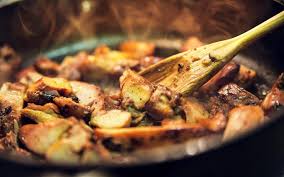
Spicy food can be exciting, bold, and deeply satisfying—but only when it’s at the right level. When a dish crosses the line from pleasantly hot to painfully overwhelming, it can ruin the entire eating experience. Whether you accidentally added too many chilies, ordered something far hotter than expected, or are cooking for people with different spice tolerances, knowing how to make food less spicy is a crucial kitchen skill.
This in-depth guide explores why food feels spicy, what works immediately, what helps during cooking, and how to balance flavors long-term. By the end, you’ll have a complete toolkit to rescue overly spicy meals without sacrificing taste.
Understanding Why Food Is Spicy in the First Place
Before fixing the problem, it helps to understand what’s causing it.
What Causes Spiciness?
The burning sensation in spicy food comes mainly from capsaicin, a compound found in chili peppers. Capsaicin doesn’t actually burn your mouth—it activates pain receptors that normally respond to heat.
Important characteristics of capsaicin:
- It is oil-soluble, not water-soluble
- It concentrates in chili seeds and membranes
- It intensifies as food sits or reduces
This is why drinking water often doesn’t help and why some fixes work better than others.
Quick Fixes for Food That’s Already Too Spicy
If the dish is already cooked and sitting in front of you, these methods can help immediately.
Add Dairy to Neutralize the Heat
Dairy is one of the most effective ways to reduce spiciness.
Why Dairy Works
Dairy contains casein, a protein that binds to capsaicin and washes it away from pain receptors.
Best Dairy Options
- Yogurt (plain or Greek)
- Milk or cream
- Butter
- Sour cream
- Cheese (mild varieties)
How to Use It
- Stir yogurt or cream directly into curries, soups, or sauces
- Add a dollop of sour cream on top of spicy chili or stew
- Finish the dish with butter to soften the heat
This method works especially well for Indian, Thai, and Mexican dishes.
Increase the Quantity of Non-Spicy Ingredients
Sometimes the simplest fix is dilution.
How Dilution Reduces Heat
Capsaicin spreads evenly through food. Increasing the volume of non-spicy ingredients lowers the concentration per bite.
What You Can Add
- Rice, pasta, or noodles
- Potatoes
- Lentils or beans
- Vegetables like carrots, peas, or zucchini
- Extra broth or stock
Best Use Cases
- Soups and stews
- Curries and gravies
- Saucy stir-fries
This method preserves flavor while making the dish more balanced.
Use Sweetness to Balance Spiciness
Sweetness doesn’t remove capsaicin, but it counteracts the perception of heat.
Sweet Ingredients That Work Well
- Sugar (white or brown)
- Honey
- Maple syrup
- Coconut milk
- Sweet vegetables like corn or carrots
How Much to Add
Start with very small amounts—½ teaspoon at a time—then taste and adjust.
Best Dishes for Sweet Balancing
- Spicy sauces
- Tomato-based gravies
- Asian-style dishes
- Barbecue sauces
Overdoing sweetness can ruin the dish, so moderation is key.
Add Acidity to Cut Through the Heat
Acidic ingredients can reduce the intensity of spiciness by shifting the overall flavor profile.
Effective Acidic Ingredients
- Lemon or lime juice
- Vinegar (white, apple cider, or rice vinegar)
- Tomatoes or tomato paste
- Tamarind
- Yogurt (also acidic)
How It Helps
Acidity doesn’t neutralize capsaicin, but it distracts your palate and tones down harsh heat.
This works particularly well in soups, curries, and sauces.
Use Fat to Coat and Calm the Burn
Because capsaicin is oil-soluble, fats can dissolve it and reduce its impact.
High-Fat Ingredients to Add
- Olive oil
- Butter
- Ghee
- Coconut oil
- Nut butters
How to Apply
- Stir in fat while reheating
- Drizzle oil over finished dishes
- Cook additional ingredients in oil, then mix them in
This is especially effective in stir-fries and curries.
Fixing Spiciness While Cooking
If you realize the dish is too spicy midway through cooking, you have even more options.
Remove the Source of the Heat
If whole chilies or chili pieces are visible, take them out.
Ingredients You Can Remove
- Whole dried chilies
- Fresh chili slices
- Chili seeds
- Peppercorns
The longer they stay in the dish, the spicier it gets.
Add Neutral Bases to Absorb Heat
Certain ingredients naturally soak up spice.
Neutral Ingredients That Help
- Potatoes
- Bread pieces
- Tofu
- Paneer
- Mushrooms
Add them while cooking, let them absorb some spice, then remove or serve them as part of the dish.
Adjust Cooking Time and Temperature
Spiciness can intensify as liquids reduce.
Tips
- Add extra liquid if the dish reduces too much
- Avoid prolonged simmering after adding chili
- Taste frequently near the end of cooking
Making Spicy Food Easier to Eat Without Changing the Dish
Sometimes you can’t modify the recipe itself—like at a restaurant or dinner party.
Pair Spicy Food With Cooling Sides
What you eat with spicy food matters.
Cooling Side Options
- Plain rice or bread
- Yogurt-based dips
- Raita
- Coleslaw
- Fresh salads
These create relief between bites and reduce overall heat exposure.
Drink the Right Beverages
Not all drinks help with spice.
What Works
- Milk
- Lassi
- Yogurt drinks
- Coconut water (mildly helpful)
What to Avoid
- Water
- Carbonated drinks
- Alcohol
These can spread capsaicin and make the burn worse.
Long-Term Strategies to Prevent Over-Spicy Food
The best fix is avoiding the problem altogether.
Control Chili Heat at the Start
Tips for Cooking With Chilies
- Remove seeds and membranes
- Use milder varieties
- Add chili gradually
- Taste often
Remember: you can always add spice, but you can’t easily remove it.
Know Your Chilies
Not all chilies are equal.
Milder Options
- Bell peppers
- Anaheim
- Poblano
- Banana peppers
Hotter Varieties to Use Carefully
- Thai chilies
- Serrano
- Habanero
- Ghost pepper
Understanding chili heat levels makes a huge difference.
Build Flavor Without Excess Heat
Spice doesn’t equal flavor.
Flavorful Alternatives to Heat
- Garlic and ginger
- Herbs and spices
- Smoked paprika
- Cumin and coriander
- Caramelized onions
Using complexity instead of heat leads to better-balanced dishes.
Common Myths About Reducing Spiciness
Some popular ideas don’t actually work.
Drinking Water
Capsaicin repels water and spreads further in your mouth.
Eating Bread Alone
Bread helps absorb oil but doesn’t neutralize capsaicin unless paired with fat.
Sugar Cancels Heat Completely
Sugar balances heat but doesn’t remove it.
Knowing what doesn’t work saves time and frustration.
Special Considerations for Different Cuisines
Indian Food
- Add cream, yogurt, or ghee
- Increase onion or tomato base
- Serve with rice or naan
Thai Food
- Coconut milk is your best friend
- Balance with sugar and lime
- Add more vegetables
Mexican Food
- Add beans, rice, or cheese
- Use crema or sour cream
- Increase tomato content
Chinese and Sichuan Food
- Add sugar and vinegar
- Use oil to mellow heat
- Increase noodles or rice
Each cuisine has traditional ways to handle heat—use them.
When Spicy Food Is Too Hot to Salvage
Sometimes the heat is beyond saving.
What You Can Do
- Split the dish in half and dilute one portion
- Freeze part and repurpose later
- Use as a base for a larger, milder dish
Not every mistake needs to be eaten as-is.
Final Thoughts: Balance Is the Goal
Learning how to make food less spicy isn’t about removing personality from a dish—it’s about restoring balance. Heat should enhance flavor, not overpower it. With the right ingredients and techniques, even the spiciest mistakes can be transformed into enjoyable meals.
Whether you’re fixing a curry gone wrong, calming a fiery sauce, or planning smarter cooking strategies, these methods give you control and confidence in the kitchen. Spice should be exciting, not intimidating—and now, you know how to keep it that way.