
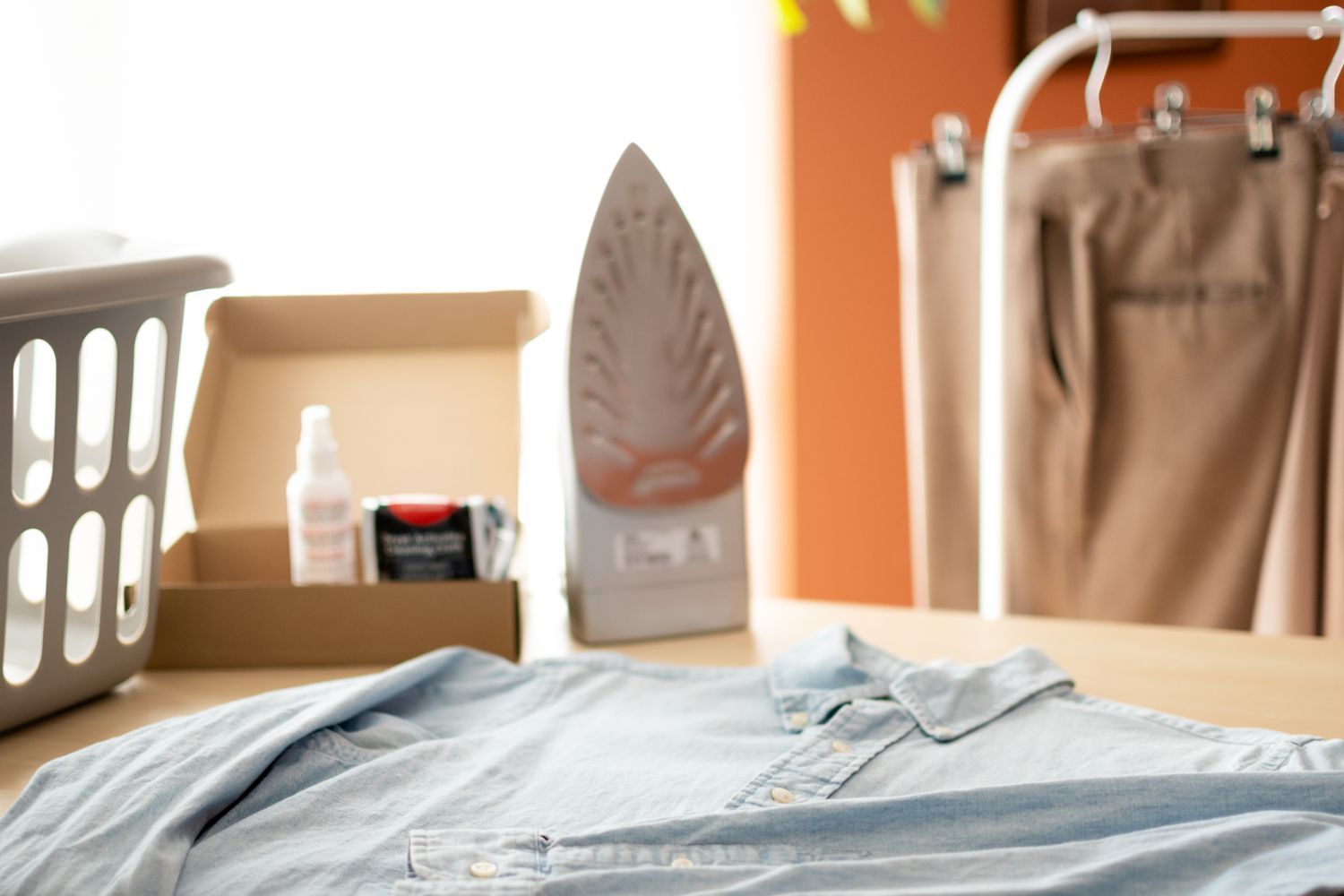
Dry cleaning is often associated with professional cleaners, special machines, and chemical solvents. Many people assume it’s impossible to dry clean clothes at home without expensive equipment. The truth is that you can safely and effectively dry clean many garments at home using simple tools, careful techniques, and the right products.
This in-depth guide explains how to dry clean at home, what fabrics are suitable, which methods work best, and how to avoid damaging your clothes. Whether you want to save money, protect delicate fabrics, or reduce trips to the dry cleaner, this guide will help you do it confidently.
What Does Dry Cleaning Really Mean?
Despite the name, dry cleaning is not completely dry. It refers to cleaning clothes without using water as the main cleaning agent. Professional dry cleaners use chemical solvents, most commonly perchloroethylene, to remove stains and dirt without shrinking or damaging fabrics.
At home, dry cleaning works differently. Home methods aim to replicate the gentle, low-moisture process while avoiding harsh chemicals. This makes at-home dry cleaning safer and more practical for everyday use.
Can You Truly Dry Clean Clothes at Home?
Yes, many garments labeled “dry clean only” can be cleaned at home, but not all of them. At-home dry cleaning is best for:
- Lightly soiled garments
- Delicate fabrics that don’t handle water well
- Clothes that need freshening rather than deep stain removal
Understanding Fabric Care Labels Before You Start
Before attempting to dry clean at home, always check the care label. These labels provide important guidance on how the fabric reacts to moisture, heat, and agitation.
Common Care Label Terms Explained
- Dry Clean Only: The manufacturer recommends dry cleaning, but gentle home methods may still work
- Dry Clean: Indicates dry cleaning is preferred, but hand washing may be possible
- Do Not Wash: Strongly suggests avoiding water altogether
Types of Fabrics Suitable for At-Home Dry Cleaning
Not all fabrics behave the same way. Knowing which materials respond well to home dry cleaning helps prevent damage.
Fabrics That Are Usually Safe
- Wool
- Silk
- Cashmere
- Rayon
- Linen
- Polyester blends
Fabrics That Require Extra Caution
- Suede and leather
- Velvet
- Heavily embellished garments
- Structured suits and blazers
Methods to Dry Clean at Home
There are several effective ways to dry clean at home, depending on the garment and your comfort level.
Method 1: Using a Home Dry Cleaning Kit
Home dry cleaning kits are one of the easiest and safest options for beginners.
What Comes in a Dry Cleaning Kit?
Most kits include:
- A stain removal pen
- Moist cleaning cloths
- A reusable dryer bag
How to Use a Home Dry Cleaning Kit
- Spot treat stains using the provided pen
- Place garments in the dryer bag with the cleaning cloth
- Put the bag in the dryer on low heat
- Run for the recommended time
- Remove clothes promptly and hang to release wrinkles
Method 2: Steam Cleaning at Home
Steam cleaning is an excellent alternative to traditional dry cleaning.
Why Steam Works
Steam lifts odors, relaxes fibers, and kills bacteria without soaking the fabric. It’s especially effective for:
- Suits
- Dresses
- Wool coats
How to Steam Clean Clothes
- Hang the garment on a sturdy hanger
- Use a handheld garment steamer
- Keep the steamer slightly away from the fabric
- Allow steam to penetrate evenly
- Let the garment air dry fully
Method 3: Hand Dry Cleaning with Gentle Solutions
For garments that tolerate minimal moisture, a gentle hand-cleaning method can be effective.
Supplies You’ll Need
- Mild detergent or fabric-safe soap
- White cloth or microfiber towel
- Basin or sink
Step-by-Step Process
- Mix a small amount of detergent with cool water
- Dip the cloth into the solution and wring it out
- Gently blot the garment, focusing on soiled areas
- Avoid rubbing or twisting the fabric
- Use a clean damp cloth to remove soap residue
- Lay flat or hang to air dry
How to Spot Clean Stains Without Washing the Whole Garment
Spot cleaning is often enough for small stains.
Common Stains and How to Treat Them
- Oil-based stains: Use cornstarch or baking soda to absorb oil
- Protein stains: Blot gently with cold water
- Ink stains: Dab carefully with rubbing alcohol (test first)
How to Dry Clean Suits at Home
Suits require special care due to their structure.
Best Practices for Suit Care
- Use steam rather than washing
- Spot clean only when necessary
- Brush fabric with a garment brush to remove dust
How to Dry Clean Dresses at Home
Dresses vary widely in fabric and design.
Simple Dresses
Lightweight dresses without structure can often be:
- Steamed
- Spot cleaned
- Treated with a home dry cleaning kit
Formal or Embellished Dresses
For beaded, sequined, or layered dresses, limit cleaning to gentle steaming and spot treatment.
Dry Cleaning Wool and Cashmere at Home
Wool and cashmere respond well to gentle care.
Key Tips
- Avoid hot water
- Never wring the fabric
- Lay flat to dry
How to Remove Odors Without Washing
Sometimes clothes don’t need cleaning, just freshening.
Odor Removal Techniques
- Hang garments in fresh air
- Use steam to neutralize odors
- Lightly spray fabric-safe fresheners
How to Dry Clothes Properly After Home Dry Cleaning
Drying is just as important as cleaning.
Best Drying Methods
- Hang garments on padded hangers
- Lay flat for knit items
- Keep away from direct heat or sunlight
Common Mistakes to Avoid When Dry Cleaning at Home
Many garment mishaps come from simple mistakes.
Mistakes That Can Ruin Clothes
- Using too much water
- Applying heat directly
- Skipping fabric testing
- Over-cleaning garments
When You Should Still Use Professional Dry Cleaning
While home dry cleaning is convenient, some items should go to professionals.
Items Best Left to Experts
- Leather and suede
- Wedding gowns
- Structured coats
- Heavy stains or discoloration
Benefits of Dry Cleaning at Home
Home dry cleaning offers several advantages.
Key Benefits
- Saves money
- Extends garment life
- Reduces chemical exposure
- Convenient and time-saving
How Often Should You Dry Clean Clothes?
Over-cleaning can be harmful.
General Guidelines
- Suits: Every 3–5 wears
- Dresses: After visible dirt or odor
- Sweaters: Every few wears with airing in between
Building a Simple At-Home Garment Care Routine
A consistent routine keeps clothes fresh longer.
Suggested Routine
- Brush garments after wear
- Air clothes before storing
- Spot clean immediately
- Steam regularly
Final Thoughts: Is Dry Cleaning at Home Worth It?
Learning how to dry clean at home empowers you to care for your clothes more thoughtfully. While it doesn’t replace professional dry cleaning entirely, it covers a wide range of everyday needs. With the right techniques, tools, and patience, you can safely refresh, clean, and maintain many garments from the comfort of your home.
At-home dry cleaning saves time, money, and effort while helping your favorite clothes last longer. By understanding fabrics, following gentle methods, and avoiding common mistakes, you can confidently incorporate dry cleaning into your home laundry routine.