
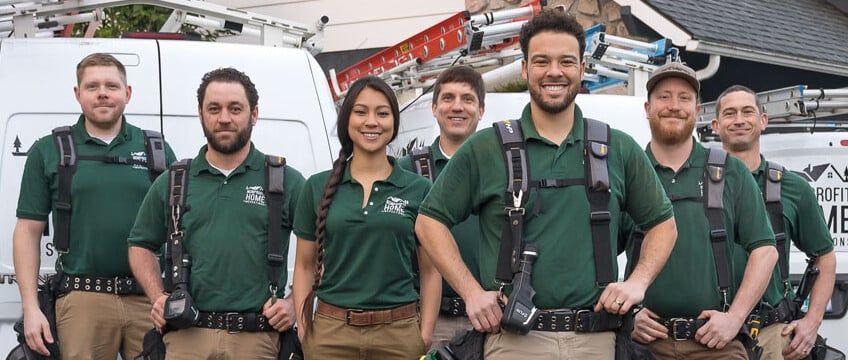
Becoming a home inspector is a rewarding career path for individuals who are detail-oriented, enjoy problem-solving, and have a keen interest in construction, real estate, and safety standards. Home inspectors play a critical role in the real estate industry by evaluating properties and providing buyers and sellers with comprehensive assessments of a home's condition.
This article provides an in-depth guide on how to become a home inspector, covering the skills needed, education and training requirements, certification processes, tools of the trade, and tips for building a successful career in this field.
What Does a Home Inspector Do?
A home inspector is responsible for examining residential properties to identify issues that may affect safety, functionality, or value. Their work involves:
- Inspecting structural elements such as foundations, walls, and roofs
- Checking electrical, plumbing, and HVAC systems
- Identifying potential hazards, including mold, pests, or water damage
- Producing detailed inspection reports for clients
- Advising buyers or sellers on repairs or maintenance
Skills and Qualities Needed to Become a Home Inspector
To excel as a home inspector, certain skills and personal qualities are essential:
Attention to Detail
Home inspectors must notice even minor defects or anomalies in a property. Missing a small issue can result in legal or financial consequences.
Analytical Thinking
Analyzing problems, interpreting building codes, and understanding potential risks are key aspects of the role.
Communication Skills
Home inspectors must clearly explain findings to clients, often through detailed written reports and verbal summaries.
Technical Knowledge
A strong understanding of construction, electrical systems, plumbing, and HVAC systems is necessary to perform accurate inspections.
Physical Fitness
Inspectors often need to climb ladders, crawl under homes, and maneuver in tight spaces, requiring a reasonable level of physical fitness.
Educational Requirements for Home Inspectors
Formal education requirements vary by state and country, but most home inspectors have at least a high school diploma or equivalent. Additional education can include:
- Associate’s Degree in construction technology, engineering, or building inspection
- Vocational courses in construction, carpentry, plumbing, or electrical systems
- Continuing education to stay current with building codes and inspection techniques
Training and Hands-On Experience
Training is a critical step in becoming a competent home inspector. Options include:
Home Inspection Training Programs
Numerous accredited programs provide comprehensive training, covering:
- Residential construction and design
- Inspection techniques
- Report writing
- State-specific regulations
Apprenticeships and Mentorship
Working under an experienced inspector allows trainees to gain hands-on experience. This mentorship helps new inspectors understand real-world challenges and develop practical skills.
Online and Hybrid Programs
Many training programs now offer online modules or hybrid formats, combining virtual instruction with in-person fieldwork.
Licensing and Certification
In many regions, licensing is mandatory for home inspectors. The process typically involves:
State Licensing Requirements
Requirements vary, but commonly include:
- Completion of an approved training program
- Passing a state exam
- Meeting experience requirements, often including a set number of supervised inspections
National Certifications
While not always required, national certifications enhance credibility:
- American Society of Home Inspectors (ASHI) Certification
- International Association of Certified Home Inspectors (InterNACHI) Certification
Continuing Education
To maintain licenses or certifications, inspectors often need to complete ongoing education to keep up with evolving building codes, technologies, and inspection practices.
Tools and Equipment Used by Home Inspectors
A competent home inspector relies on specialized tools to assess properties accurately. Common tools include:
- Flashlights and ladders
- Moisture meters and thermal imaging cameras
- Electrical testers and GFCI testers
- Tape measures and levels
- Digital cameras for documenting findings
Steps to Start a Career as a Home Inspector
Here’s a step-by-step roadmap:
- Assess Your Skills and Interests: Ensure you have a strong foundation in construction, problem-solving, and communication.
- Complete Education and Training: Enroll in an accredited home inspection program.
- Gain Practical Experience: Work as an apprentice under an experienced inspector.
- Obtain Licensing: Meet state requirements and pass licensing exams.
- Earn Certifications: Consider national certifications to boost credibility.
- Acquire Tools and Equipment: Invest in essential inspection tools.
- Start Practicing: Join an established inspection company or launch your own business.
- Market Your Services: Build a client base through networking, online marketing, and partnerships with real estate professionals.
Challenges Faced by Home Inspectors
Like any profession, home inspection has its challenges:
Physically Demanding Work
Climbing ladders, crawling into attics, and inspecting basements can be strenuous.
Legal Liability
Home inspectors can face liability if issues are missed, making insurance and careful documentation essential.
Irregular Workload
Many inspectors experience seasonal fluctuations in demand, with peak times aligning with real estate market activity.
Keeping Up with Codes
Building codes and standards change frequently, requiring ongoing education and vigilance.
Tips for Success in Home Inspection
To thrive as a home inspector, consider the following strategies:
- Develop Strong Communication Skills: Clear, professional reporting sets you apart.
- Invest in Quality Tools: Reliable equipment improves efficiency and accuracy.
- Build a Professional Network: Collaborate with real estate agents, contractors, and clients.
- Stay Updated: Regularly attend training sessions, webinars, and industry conferences.
- Offer Exceptional Customer Service: Satisfied clients often lead to referrals and repeat business.
Opportunities for Growth
Experienced home inspectors can expand their careers by:
- Specializing in commercial or industrial inspections
- Offering environmental assessments, such as mold or asbestos inspections
- Providing home maintenance consultations
- Starting an inspection training program or mentoring new inspectors
Home Inspector Salary and Job Outlook
Home inspection can be financially rewarding. While salaries vary depending on location, experience, and certifications:
- Average annual salary in the U.S.: $50,000–$80,000
- Experienced inspectors or business owners can earn $100,000+
- Job growth is expected to remain stable, driven by real estate market activity and the need for property assessments
Frequently Asked Questions
Can I Become a Home Inspector Without Experience in Construction?
Yes, but completing accredited training and gaining hands-on experience is crucial to developing necessary skills.
How Long Does It Take to Become a Licensed Home Inspector?
Depending on training and apprenticeship, it can take anywhere from 6 months to 2 years.
Do Home Inspectors Need Insurance?
Yes, liability insurance is essential to protect against claims from missed defects or property damage.
Is Certification Necessary?
Certification is not always mandatory but enhances credibility and can improve career opportunities.
Conclusion
Becoming a home inspector is a fulfilling career for those interested in construction, safety, and real estate. With proper education, training, and dedication, you can establish a successful career that combines technical knowledge with customer service. By following the steps outlined in this guide—developing skills, gaining experience, obtaining licenses, and building your professional network—you can position yourself as a trusted and competent home inspector.
Whether you choose to work independently or join an established company, a career in home inspection offers stability, growth potential, and the satisfaction of helping clients make informed property decisions.