
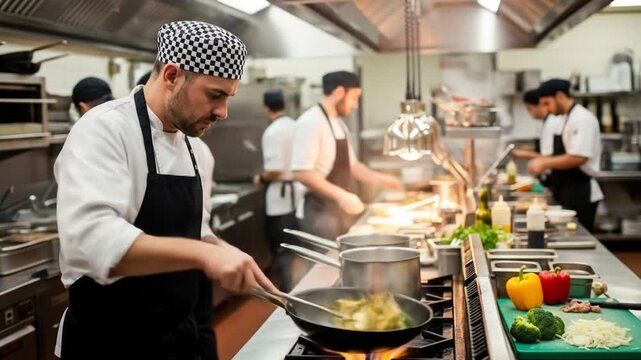
Protecting food from contamination after it is cooked is one of the most critical responsibilities of food workers. Cooking may eliminate many harmful microorganisms, but once food leaves the heat source, it becomes vulnerable again. Contamination at this stage can undo all the safety benefits of proper cooking and lead to foodborne illness outbreaks, customer complaints, legal consequences, and reputational damage for food establishments.
This article provides an in-depth, practical guide on how food workers can protect cooked food from contamination. It covers the major risks, best practices, and operational controls that should be in place in any professional food environment, from restaurants and catering services to institutional kitchens and food trucks.
Understanding Post-Cooking Contamination
Post-cooking contamination occurs when cooked food is exposed to harmful microorganisms, chemicals, or physical hazards after it has been prepared. Unlike raw foods, cooked foods often lack competing bacteria, making them especially susceptible to rapid contamination and microbial growth.
Common sources of post-cooking contamination include:
- Unclean hands or gloves
- Contaminated utensils or equipment
- Improper storage temperatures
- Cross-contact with raw foods
- Unsanitary surfaces
- Exposure to pests, dust, or airborne contaminants
Practicing Proper Personal Hygiene
Personal hygiene is the first and most important line of defense against contamination.
Effective Handwashing
Food workers must wash their hands thoroughly and frequently, especially:
- Before handling cooked or ready-to-eat foods
- After touching raw food
- After using the restroom
- After handling garbage
- After touching their face, hair, phone, or other non-food items
Proper Use of Gloves
Gloves can help prevent contamination, but only when used correctly.
- Gloves must be worn when handling ready-to-eat cooked foods
- Gloves should be changed between tasks
- Gloves must never replace handwashing
- Torn or contaminated gloves must be replaced immediately
Clean and Appropriate Work Attire
Food workers should wear clean uniforms or aprons and restrain hair using hats or hairnets. Jewelry should be limited, as it can harbor bacteria and fall into food. Open wounds must be covered with a bandage and a glove.
Preventing Cross-Contamination
Cross-contamination occurs when harmful microorganisms are transferred from one surface or food to another.
Separating Cooked and Raw Foods
Cooked foods should always be kept separate from raw foods.
- Store cooked foods above raw foods in refrigerators
- Use separate preparation areas when possible
- Never place cooked food on surfaces that previously held raw food unless they have been cleaned and sanitized
Using Dedicated Equipment and Utensils
Color-coded cutting boards, knives, and utensils help prevent accidental cross-use.
- Use designated utensils for cooked foods
- Clean and sanitize equipment between uses
- Avoid using the same cloths or towels for raw and cooked food areas
Maintaining Safe Holding Temperatures
Temperature control is essential after food is cooked.
Hot Holding Requirements
Cooked foods that are intended to be served hot must be kept at safe temperatures.
- Hot foods should be held at 135°F (57°C) or higher
- Use steam tables, warming trays, or heat lamps designed for food holding
- Stir food regularly to distribute heat evenly
Cold Holding for Cooked Foods
Some cooked foods are meant to be served cold.
- Cold foods should be held at 41°F (5°C) or lower
- Refrigerators should be monitored with calibrated thermometers
- Doors should be kept closed as much as possible
Proper Cooling of Cooked Foods
Improper cooling is a major cause of foodborne illness, particularly with large batches of cooked food.
Safe Cooling Methods
Cooked foods must be cooled quickly to prevent bacterial growth.
- Cool from 135°F to 70°F within 2 hours
- Cool from 70°F to 41°F within an additional 4 hours
- Dividing food into shallow containers
- Using ice baths
- Employing blast chillers
- Stirring with ice paddles
Covering Food During Cooling
Food should be loosely covered or protected during cooling to prevent contamination while allowing heat to escape. Once cooled, containers should be sealed tightly.
Proper Storage of Cooked Foods
Correct storage practices protect cooked foods from contamination and spoilage.
Using Clean, Food-Grade Containers
Cooked food should be stored in containers that are:
- Clean and sanitized
- Made from food-safe materials
- Labeled with preparation dates and use-by dates
Labeling and Dating
Clear labeling helps ensure food safety and quality.
- Include the name of the food
- Record the preparation or cooling date
- Follow first-in, first-out (FIFO) principles
Protecting Food During Service
The service phase is another high-risk point for contamination.
Using Barriers and Covers
Food on display or service lines should be protected using:
- Sneeze guards
- Lids and covers
- Enclosed display cases
Minimizing Bare-Hand Contact
Food workers should use utensils, deli tissue, or gloves when serving cooked foods. Direct hand contact should be avoided whenever possible, especially for ready-to-eat items.
Monitoring Self-Service Areas
Buffets and self-service stations require constant supervision.
- Replace utensils frequently
- Clean spills immediately
- Remove food that has been touched or contaminated
Cleaning and Sanitizing Food Contact Surfaces
Clean equipment and surfaces are essential for protecting cooked food.
Cleaning vs. Sanitizing
Cleaning removes visible dirt and food particles, while sanitizing reduces microorganisms to safe levels. Both steps are required.
Food contact surfaces should be:
- Cleaned after each task
- Sanitized using approved solutions
- Allowed to air dry
Frequency of Cleaning
Surfaces and equipment used for cooked food should be cleaned:
- Between different foods
- After contamination
- At regular intervals during continuous use
Preventing Contamination from the Environment
The kitchen environment itself can introduce hazards.
Pest Control
Pests such as rodents, flies, and cockroaches can contaminate cooked food.
- Keep doors and windows sealed
- Dispose of waste promptly
- Work with licensed pest control services
Air Quality and Ventilation
Dust, condensation, and airborne contaminants can settle on exposed food.
- Maintain proper ventilation
- Repair leaks and condensation issues
- Avoid storing food under dripping pipes or vents
Training and Accountability of Food Workers
Knowledge and consistency among staff are essential.
Food Safety Training
All food workers should receive training on:
- Safe food handling
- Contamination risks
- Temperature control
- Personal hygiene
Creating a Food Safety Culture
Management should model proper behavior and enforce food safety rules consistently. When food workers feel supported and accountable, compliance improves.
Documentation, checklists, and routine inspections help maintain high standards.
Handling Leftovers and Reheating Safely
Leftover cooked foods require special care.
Safe Reheating Practices
Reheated food must reach safe internal temperatures.
- Reheat to at least 165°F (74°C)
- Stir food during reheating to ensure even heating
- Only reheat food once
Discarding Unsafe Food
If there is any doubt about the safety of cooked food, it should be discarded. Food safety decisions should prioritize health over cost savings.
The Role of Management and Systems
Protecting cooked food is not only the responsibility of individual workers.
Standard Operating Procedures
Clear procedures should outline:
- How food is handled after cooking
- Storage and holding requirements
- Cleaning and sanitation schedules
Monitoring and Verification
Managers should routinely verify that:
- Temperatures are within safe ranges
- Cleaning tasks are completed
- Staff follow hygiene rules
Conclusion
Protecting food from contamination after it is cooked is a vital step in preventing foodborne illness and ensuring customer safety. While cooking destroys many harmful microorganisms, improper handling afterward can quickly reintroduce risks. By practicing excellent personal hygiene, preventing cross-contamination, maintaining safe temperatures, properly cooling and storing food, and creating a strong food safety culture, food workers can significantly reduce the likelihood of contamination.
Every stage after cooking demands attention and discipline. When food workers understand the risks and consistently apply best practices, they not only protect public health but also uphold the integrity and success of their food service operation.