
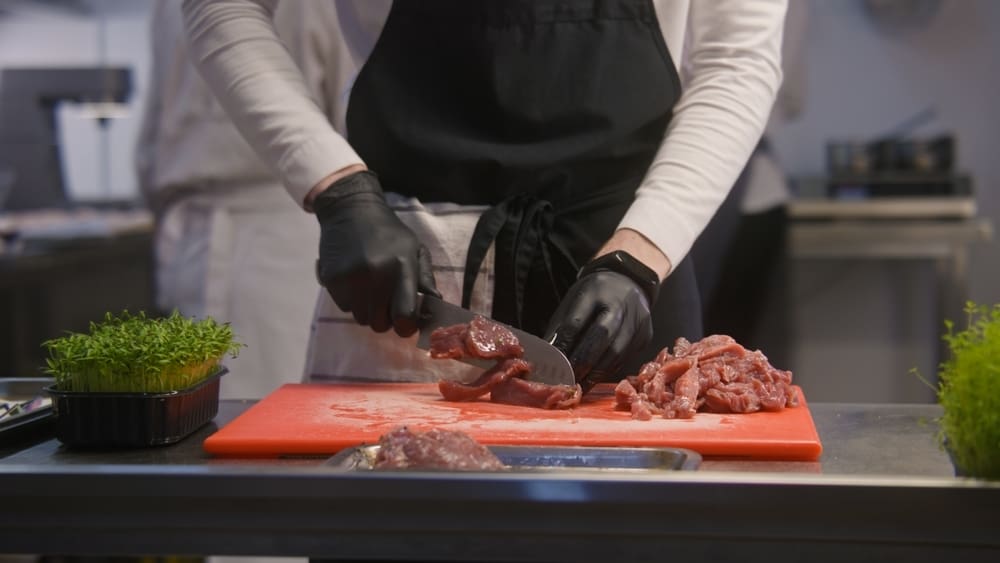
In food safety, terminology matters. The way surfaces are defined, cleaned, and managed can directly affect public health, regulatory compliance, and the overall quality of food service operations. One of the most important concepts in food safety is the classification of surfaces that touch food, which are formally known as food-contact surfaces.
This article provides an in-depth explanation of what surfaces that touch food are called, why they matter, examples across different food environments, how they differ from non-food-contact surfaces, and the best practices for cleaning, sanitizing, and maintaining them. Whether you work in a restaurant, food truck, catering operation, manufacturing facility, or home kitchen, understanding food-contact surfaces is essential for preventing contamination and foodborne illness.
What Are Surfaces That Touch Food Called?
Surfaces that touch food are called food-contact surfaces.
A food-contact surface is any surface that:
- Comes into direct contact with food
- May drip, drain, or splash onto food
- Is reasonably expected to touch food during normal use
Food-contact surfaces must meet stricter standards for cleanliness, materials, and maintenance than other surfaces in a food environment because they pose a direct risk of contaminating food.
Why Food-Contact Surfaces Are Critical to Food Safety
Food-contact surfaces play a central role in preventing foodborne illness. Even if food is sourced, stored, and cooked correctly, contamination can occur if it touches a dirty or unsafe surface.
How Contamination Happens
Food-contact surfaces can transfer:
- Harmful bacteria
- Viruses
- Parasites
- Chemical residues
- Physical hazards
Regulatory Importance
Health inspectors closely monitor food-contact surfaces because failures in this area are among the most common causes of violations. Improperly cleaned or maintained food-contact surfaces can result in:
- Fines
- Failed inspections
- Temporary closures
- Food recalls
- Legal liability
Common Examples of Food-Contact Surfaces
Food-contact surfaces exist throughout every stage of food handling, from preparation to service.
Preparation Surfaces
These surfaces are frequently used and require constant attention:
- Cutting boards
- Countertops used for food prep
- Mixing bowls
- Prep tables
- Food processors
Cooking and Processing Equipment
Many cooking tools come into direct contact with food:
- Pots and pans
- Grills and griddles
- Fryers
- Baking trays
- Steam tables
- Spatulas and ladles
Storage and Holding Surfaces
Food-contact surfaces are not limited to prep and cooking areas.
- Shelving that holds uncovered food
- Containers and lids
- Food storage bins
- Refrigerator drawers
- Display cases
Serving and Dispensing Surfaces
During service, food-contact surfaces include:
- Plates and bowls
- Utensils
- Buffet trays
- Tongs and scoops
- Beverage nozzles
- Ice scoops and ice bins
Food-Contact Surfaces vs Non-Food-Contact Surfaces
Not all surfaces in a food establishment are food-contact surfaces, but both categories matter.
What Are Non-Food-Contact Surfaces?
Non-food-contact surfaces do not directly touch food. Examples include:
- Floors
- Walls
- Ceilings
- Exterior refrigerator doors
- Handles and knobs
- Trash cans
- Shelving that does not hold exposed food
Why the Difference Matters
Food-contact surfaces require:
- More frequent cleaning
- Mandatory sanitizing
- Approved food-safe materials
Confusing these categories can lead to improper cleaning routines and inspection violations.
Materials Approved for Food-Contact Surfaces
Not all materials are suitable for food-contact surfaces. Approved materials must be safe, durable, and easy to clean.
Characteristics of Safe Food-Contact Materials
Food-contact surfaces should be:
- Non-toxic
- Non-absorbent
- Smooth
- Corrosion-resistant
- Easy to clean and sanitize
Common Approved Materials
Examples of food-safe materials include:
- Stainless steel
- Food-grade plastic
- Glass
- Certain sealed wood (in limited applications)
- Ceramic coatings designed for food use
Cleaning and Sanitizing Food-Contact Surfaces
Cleaning and sanitizing are two distinct but equally important processes.
Cleaning Food-Contact Surfaces
Cleaning removes visible food particles, grease, and dirt. It usually involves:
- Detergent
- Warm water
- Scrubbing or mechanical action
Sanitizing Food-Contact Surfaces
Sanitizing reduces microorganisms to safe levels. Common sanitizers include:
- Chlorine solutions
- Quaternary ammonium compounds
- Iodine-based sanitizers
- Heat-based sanitization
Correct Cleaning and Sanitizing Sequence
The proper process is:
- Remove food debris
- Wash with detergent
- Rinse with clean water
- Sanitize
- Air dry
When Food-Contact Surfaces Must Be Cleaned and Sanitized
Food-contact surfaces require frequent attention.
Required Cleaning Times
Food-contact surfaces should be cleaned and sanitized:
- Before starting work
- Between handling raw and ready-to-eat foods
- After contamination
- After each task
- At least every four hours during continuous use
Special Situations
Additional cleaning is required:
- After equipment breakdowns
- After spills
- After pest activity
- After illness incidents
Food-Contact Surfaces and Cross-Contamination
Cross-contamination is one of the biggest food safety risks associated with food-contact surfaces.
How Cross-Contamination Occurs
Cross-contamination happens when:
- Raw meat juices touch ready-to-eat food surfaces
- The same cutting board is used without cleaning
- Utensils are shared improperly
- Hands transfer pathogens between surfaces
Preventing Cross-Contamination
Effective prevention strategies include:
- Color-coded cutting boards
- Dedicated utensils for raw and cooked foods
- Clear workflow separation
- Frequent cleaning and sanitizing
Food-Contact Surfaces in Different Food Settings
Food-contact surfaces exist in every food environment, but risks vary.
Restaurants and Food Trucks
In these settings, food-contact surfaces include:
- Prep counters
- Grills and fryers
- Service utensils
- Beverage dispensers
Food Manufacturing Facilities
Manufacturing environments rely heavily on:
- Conveyors
- Processing machinery
- Packaging equipment
Catering and Temporary Food Operations
Temporary setups often use portable equipment, which increases risk. Surfaces must still meet food safety standards even in non-permanent environments.
Home Kitchens
Even at home, food-contact surfaces matter. Cutting boards, knives, and counters can spread bacteria if not cleaned properly, especially when handling raw meats.
Inspection and Monitoring of Food-Contact Surfaces
Health inspections focus heavily on food-contact surfaces.
What Inspectors Look For
Inspectors evaluate:
- Cleanliness
- Surface condition
- Proper sanitizing
- Material suitability
- Evidence of cross-contamination
Self-Inspection Practices
Operators should conduct routine checks to:
- Identify worn or cracked surfaces
- Verify sanitizer strength
- Ensure cleaning schedules are followed
Maintenance and Replacement of Food-Contact Surfaces
Over time, surfaces wear down and become unsafe.
Signs a Surface Needs Replacement
Food-contact surfaces should be replaced if they:
- Are cracked or chipped
- Have deep scratches
- Are rusted
- Absorb moisture or odors
- Cannot be effectively cleaned
Preventive Maintenance
Regular maintenance extends the life of surfaces and supports food safety compliance. This includes proper storage, gentle cleaning tools, and avoiding misuse.
Training Food Workers About Food-Contact Surfaces
Staff knowledge directly affects food safety.
What Food Workers Should Know
Food workers should understand:
- What qualifies as a food-contact surface
- When cleaning and sanitizing are required
- How to prevent cross-contamination
- Why surface condition matters
Creating a Culture of Awareness
When management emphasizes the importance of food-contact surfaces, staff are more likely to follow procedures and report issues.
Common Misconceptions About Food-Contact Surfaces
There are several misconceptions that can lead to unsafe practices.
- Heat alone sanitizes surfaces
- Visual cleanliness equals safety
- Gloves eliminate the need for cleaning
- Home kitchens do not need strict surface controls
The Role of Food-Contact Surfaces in Food Safety Systems
Food-contact surfaces are a core element of food safety systems such as:
- HACCP plans
- Standard operating procedures
- Sanitation schedules
- Risk assessments
Conclusion
Surfaces that touch food are called food-contact surfaces, and they represent one of the most critical components of food safety. These surfaces directly influence whether food remains safe from contamination throughout preparation, cooking, storage, and service. Because of their importance, food-contact surfaces are subject to strict material, cleaning, and maintenance standards.
By understanding what qualifies as a food-contact surface, how it differs from non-food-contact surfaces, and how to properly clean, sanitize, and maintain it, food handlers and operators can significantly reduce the risk of foodborne illness. Consistent attention to food-contact surfaces protects public health, ensures regulatory compliance, and upholds the quality and reputation of any food operation.